
Ukraine Faces Severe Winter Energy Crisis Amid Shifting Washington Policy
Ukraine enters winter facing widespread power deficits following relentless infrastructure attacks, compounded by growing political ambivalence in Washington regarding sustained financial and military backing.
Geopolitical & Core Developments
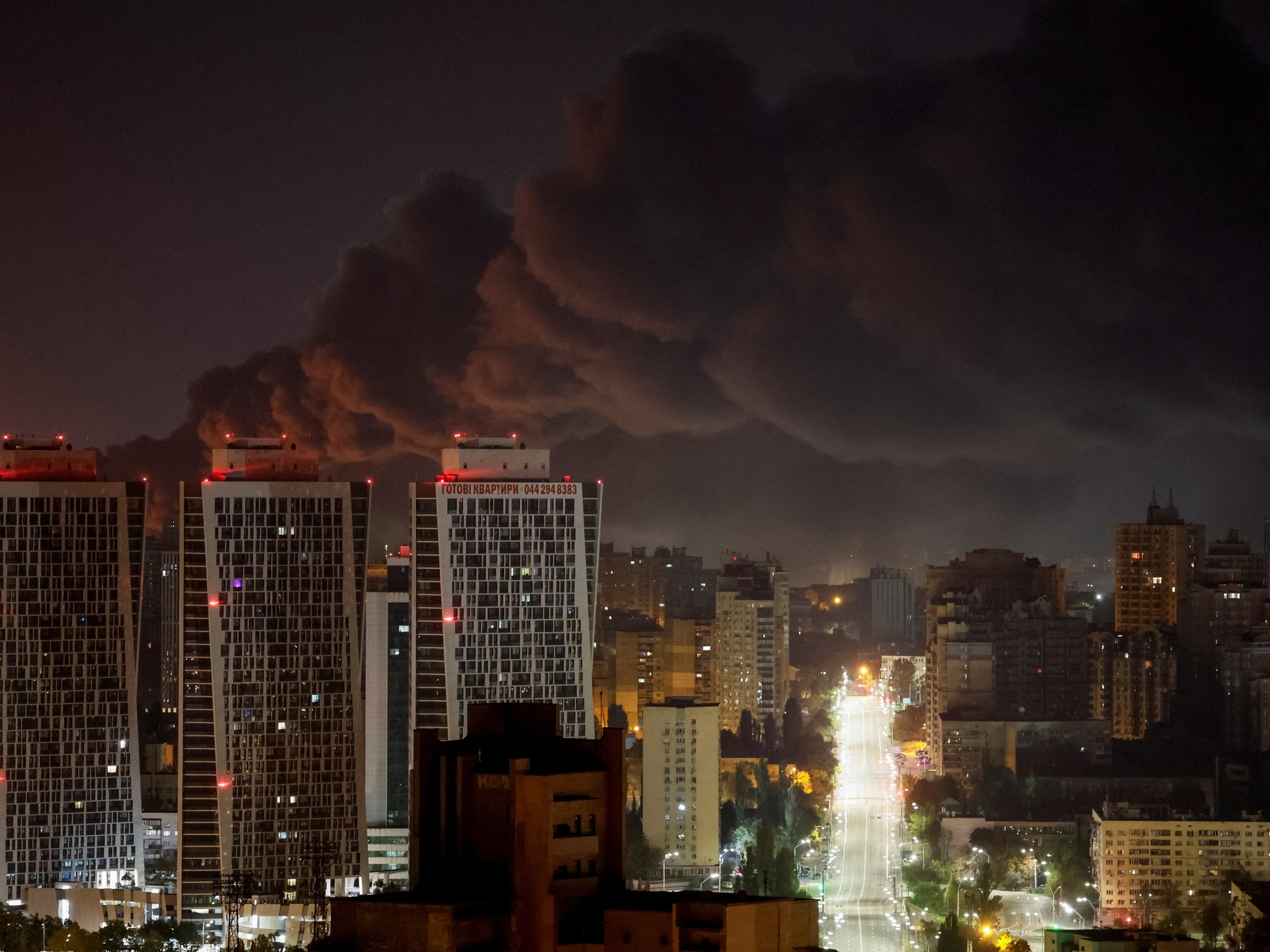
Ukraine approaches the harshest months of the year confronted by a compounded crisis of critical infrastructure degradation and geopolitical uncertainty. Successive waves of targeted Russian missile and drone strikes have dismantled roughly half of the country's electricity generation capacity, paralyzing thermal and hydroelectric plants. As municipal authorities in Kyiv, Kharkiv, and Odesa ration power, the Ukrainian state faces the logistical challenge of maintaining heating networks under sub-zero conditions.
Simultaneously, the strategic posture in Washington presents acute vulnerabilities for Kyiv. Political debates in the United States over defense spending caps, long-term foreign aid commitments, and potential shifts in executive branch policy have introduced systemic doubt into Ukraine's war planning. While European capitals continue piecemeal financial interventions, the scale of military deterrence and grid-stabilization hardware fundamentally relies on American logistical backing. Ukrainian defense officials warn that without immediate replenishments of advanced air defense systems—specifically Patriot batteries and NASAMS interceptors—protecting remaining transmission substations and repair crews will prove functionally impossible.
Global Trade & Economic Ripples
The deterioration of Ukraine's power network carries immediate ramifications for international commodity and energy markets. With domestic generation hobbled, Ukraine has shifted from an intermittent regional electricity exporter into an intensive importer, pulling supplies from adjacent grids in Poland, Slovakia, Hungary, and Romania. This sudden demand pressure risks tightening wholesale power margins across Central and Southeastern Europe during peak winter consumption windows.
Global natural gas markets are similarly exposed. European Title Transfer Facility (TTF) gas futures have exhibited heightened volatility as utilities account for increased gas burn required to replace destroyed Ukrainian thermal units and balance cross-border grid flows. Furthermore, the persistent threat of expanded hostilities adjacent to key agricultural transport corridors along the Danube and the Black Sea maritime route maintains an elevated war-risk premium on global grain shipping. Heightened energy costs in Eastern Europe are also cascading into regional fertilizer production, sustaining upward pressure on global agricultural supply chains already strained by shipping reroutes.
Related Intelligence: Elite European Football Resumes Amid Soft Power and Geopolitical Alignments
International Reactions & Diplomatic Stances
Diplomatic channels have responded with an uneven mixture of emergency humanitarian pledges and heightened tactical debate. The United Nations Office for the Coordination of Humanitarian Affairs (OCHA) has issued urgent appeals for winterization aid, warning that prolonged urban blackouts will prompt secondary refugee outflows into the European Union. United Nations agencies stress that the humanitarian deficit will rapidly deteriorate if central heating systems freeze permanently.
Within the G7, finance and foreign ministers have committed additional contributions to the Energy Support Fund for Ukraine. However, European policymakers express mounting private concern regarding the political durability of trans-Atlantic solidarity. Brussels remains constrained by fiscal rules and internal division over the utilization of frozen Russian sovereign assets, leaving substantial funding gaps. Moscow, conversely, maintains that its infrastructure strikes are legitimate actions aimed at dismantling Ukraine's military-industrial apparatus, signaling no willingness to de-escalate ahead of potential diplomatic engagements.
Strategic Outlook & Future Scenarios
The coming months will test the physical resilience of Ukraine's sovereign institutions. A baseline scenario projects severe structural rationing, with urban centers limited to several hours of daily electricity, curbing domestic economic activity and forcing further industrial shutdowns in metals and manufacturing. Should Russian forces succeed in severing high-voltage substations connected to operational nuclear power plants, the humanitarian and economic toll would escalate exponentially.
On the diplomatic front, the strategic trajectory hinges heavily on the policy direction emerging from Washington. Any formal contraction or tactical conditionality placed on U.S. defense aid could force Kyiv into a defensive posture, shifting the conflict dynamic and potentially compelling European capitals to shoulder unprecedented financial liabilities. With critical multilateral summits scheduled for early 2025, the ability of Western allies to sustain both air defense supplies and grid reconstruction funding will determine whether Ukraine retains the socio-economic cohesion necessary to withstand the winter.
Join Our Official WhatsApp Channel
Receive live commodity alerts, policy changes, and commercial intelligence directly on WhatsApp.