
UK Sanctions Iranian Nationals Over Alleged RAF Airbase Espionage Plot
The United Kingdom has sanctioned two Iranian nationals over an alleged plot targeting a Royal Air Force base, drawing denials from Tehran and intensifying diplomatic friction across European and Middle Eastern corridors.
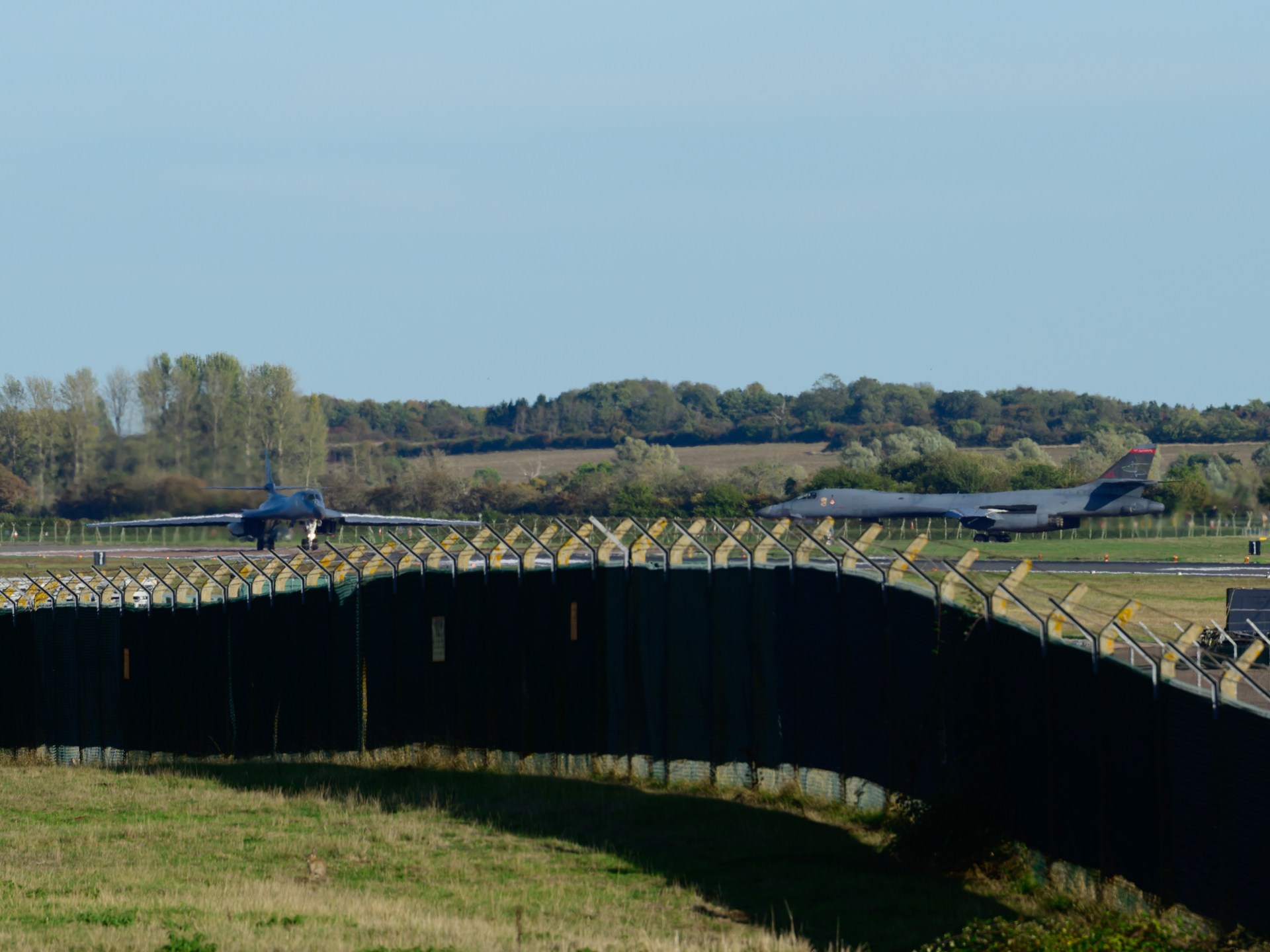
Geopolitical & Core Developments Diplomatic relations between London and Tehran reached a new point of friction this week after the United Kingdom formally accused [Iranian](/news/iran-targets-gulf-oil-shuttle-operations-strait-of-hormuz) intelligence assets of orchestrating a hostile operation directed at a Royal Air Force base on British soil. The Foreign, Commonwealth and Development Office announced targeted financial sanctions and travel bans against two [Iranian](/news/iran-saudi-talks-yemen-houthis-red-sea-trade-impact) nationals alleged to have facilitated reconnaissance, planning, and operational support for the suspected intelligence network.
According to British security services, the thwarted plot reflects an aggressive expansion of state-sponsored surveillance and covert activities inside Europe, aimed at identifying vulnerabilities in critical Western defense infrastructure. In response, Iranian diplomatic representatives in London rejected the allegations as baseless and politically motivated. Iran's ambassador to the UK summoned senior interlocutors to reiterate Tehran's official denial, while simultaneously offering reciprocal cooperation to examine the evidence behind the British claims.
This episode unfolds amidst an already fraught regional backdrop, where proxy engagements, nuclear negotiations, and broader intelligence warfare have severely curtailed diplomatic bandwidth between Western powers and the Islamic Republic.
Global Trade & Economic Ripples While the sanctions directly target individuals, the commercial and economic implications extend far beyond bilateral diplomacy. Hardening relations between London and Tehran risk further destabilizing key transit corridors in the Persian Gulf and the Bab al-Mandeb Strait, where commercial shipping lines remain acutely vulnerable to asymmetric maritime retaliation.
Global energy markets have closely monitored these diplomatic flashpoints. Escalations of this nature routinely add a structural risk premium to Brent crude and regional petrochemical trade flows. Institutional insurers have maintained elevated war-risk premiums for crude tankers and dry bulk vessels operating in the Strait of Hormuz, directly increasing shipping freight rates between the Middle East, Europe, and East Asia.
Furthermore, European logistics networks and multimodal operators face recurring operational uncertainty. Tighter monitoring of Iranian financial conduits and commercial intermediaries will increase compliance burdens for global banks and commodities trading desks managing transactions adjacent to Persian Gulf trade hubs.
Related Intelligence: Iran Targets Gulf Oil Shuttle Operations Near Strategic Strait of Hormuz
International Reactions & Diplomatic Stances The UK Foreign Office characterized the measures as a decisive step to safeguard domestic national security, signaling that Western intelligence alliances, including the Five Eyes partnership and NATO counterparts, are actively sharing telemetry on extraterritorial operations.
From Tehran, the Ministry of Foreign Affairs described the UK's measures as a counterproductive exercise in escalation, warning that such measures undermine existing diplomatic channels. Tehran's offer to assist in the investigation is widely seen by analysts as an attempt to project procedural legitimacy while insulating state institutions from formal international censures.
European capitals, including Paris and Berlin, have echoed concerns over expanding unconventional operational footprints in Europe, emphasizing the necessity of preserving strategic stability without derailing fragile multilateral mechanisms governing regional security.
Strategic Outlook & Future Scenarios In the immediate term, the trajectory of UK-Iran relations is expected to lean toward further institutional disengagement. Analysts anticipate that London may face growing domestic parliamentary pressure to designate Iran's Islamic Revolutionary Guard Corps as a proscribed terrorist organization, a move that would represent a decisive diplomatic rupture.
Should diplomatic channels narrow further, secondary spillover effects may accelerate across Middle Eastern supply chains, aviation corridors, and multilateral non-proliferation dialogues. Future scenarios also point to an intensified tit-for-tat dynamic in international cyberspace, with state-aligned advanced persistent threat groups likely testing Western enterprise and defense networks.
Unless structural de-escalation frameworks are revived during forthcoming multilateral meetings, heightened defensive postures among Western defense installations and elevated risk pricing across global commodity transport corridors will remain standard operational realities.
Join Our Official WhatsApp Channel
Receive live commodity alerts, policy changes, and commercial intelligence directly on WhatsApp.