
Iran Targets Gulf Oil Shuttle Operations Near Strategic Strait of Hormuz
Iran's Islamic Revolutionary Guard Corps has intensified interdictions against tankers engaged in US-linked oil shuttle operations operating beyond the Strait of Hormuz, escalating regional maritime risks and energy market volatility.
Geopolitical & Core Developments
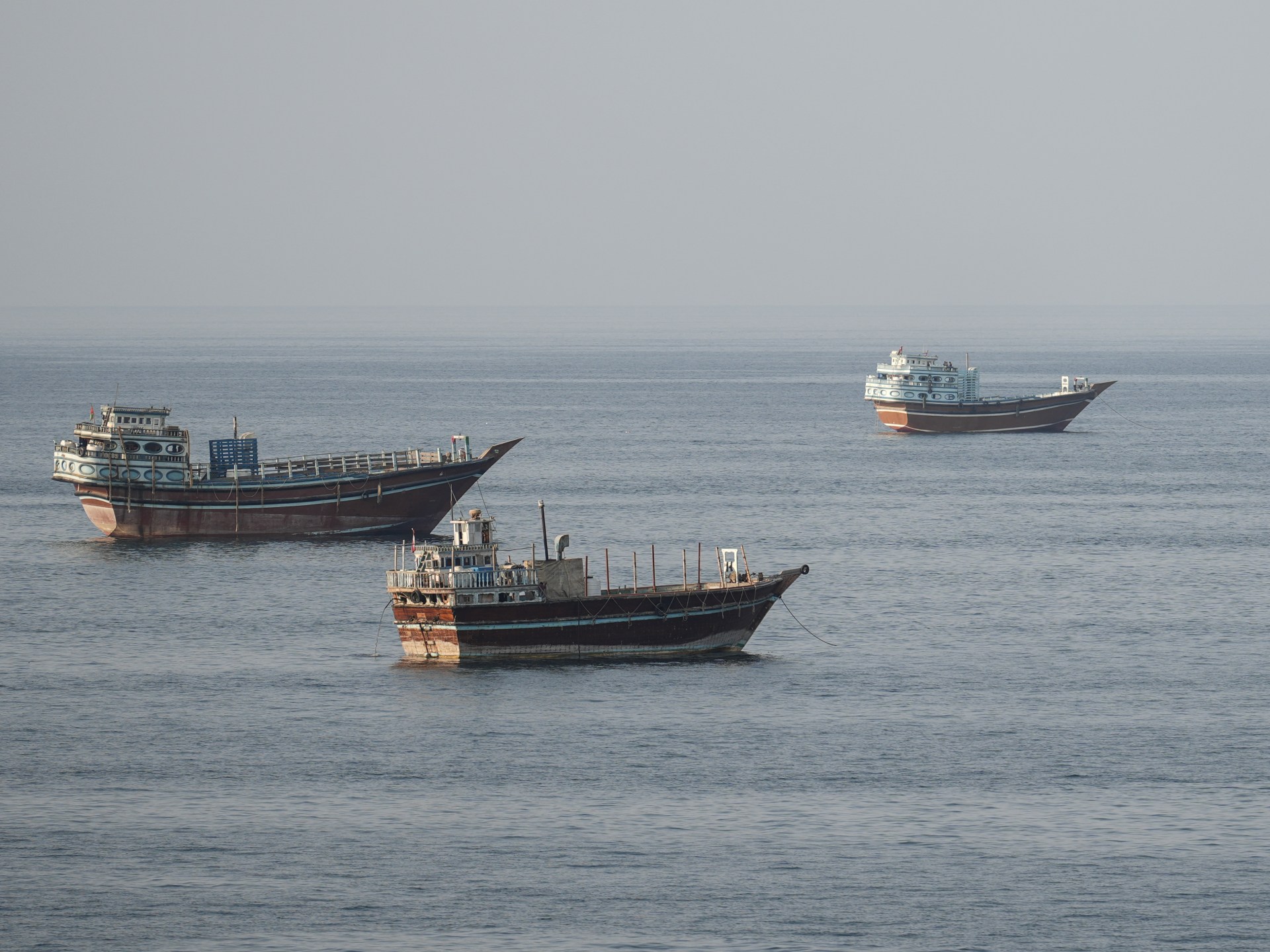
Tensions across Persian Gulf shipping corridors escalated sharply this week as Iran's Islamic Revolutionary Guard Corps (IRGC) intensified targeted maritime interdictions against commercial vessels operating just beyond the Strait of Hormuz. Tehran has focused its enforcement actions on what it characterizes as a clandestine crude oil shuttle network connecting United Arab Emirates transit hubs to broader international shipping routes, frequently involving entities tied to United States commercial and logistical networks.
According to maritime security monitors, IRGC naval units conducted multiple boardings and vessel intercepts in international waters bordering the Gulf of Oman. Iranian defense officials alleged that the intercepted tankers were engaged in unauthorized transfers designed to circumvent regional export controls and manipulate customs regimes. Conversely, Western defense analysts view the moves as a coordinated asymmetric campaign by Tehran to exert direct pressure on regional rivals and test Washington's naval posture across critical Middle Eastern chokepoints.
The strategic geography of the operations is significant. By operating outside the immediate narrows of the Strait of Hormuz, Iranian forces are projecting power deeper into the Arabian Sea approaches, expanding the perimeter of naval instability. This operational shift undermines bypass pipelines and offshore loading facilities developed by Gulf Cooperation Council states, particularly the UAE, which were specifically constructed to mitigate transit risks inherent to the Hormuz bottleneck.
Global Trade & Economic Ripples
The targeting of shuttle tankers carries immediate commercial implications for global energy architecture and maritime supply chains. Approximately one-fifth of global petroleum consumption traverses the Strait of Hormuz. While crude supply flows have not suffered structural disruptions, the widening operational theater has renewed anxiety across international commodities bourses.
Brent crude futures recorded intraday volatility as energy trading desks factored in a renewed geopolitical risk premium. More acutely, international maritime underwriters have responded by reviewing hull and machinery war risk premiums for vessels transiting the Gulf of Oman and adjacent waters. Escalating insurance costs directly raise the landed cost of Middle Eastern crude for major Asian import hubs, particularly in China, India, and Japan, which depend heavily on regional heavy-sour grades.
Furthermore, supply chain logistics face growing friction. Major shipping syndicates are re-evaluating ship-to-ship transfer protocols, a cornerstone of flexible crude distribution in the region. Operational delays resulting from rerouting, mandatory daytime-only transits, and elevated naval escort requests are compounding freight rate pressures in the Aframax and Suezmax segments.
Related Intelligence: Iran-Saudi Talks on Yemen Signal Strategic Pivot Amid Red Sea Disruptions
International Reactions & Diplomatic Stances
The developments have provoked stern rebukes from Western capitals and prompted diplomatic maneuvering across Gulf capitals. The United States Fifth Fleet, headquartered in Bahrain, issued statements condemning the intercepts as unlawful violations of freedom of navigation under the United Nations Convention on the Law of the Sea. US defense officials reiterated their commitment to maintaining maritime security through the multinational Combined Maritime Forces construct.
In Abu Dhabi, officials maintained a measured public posture while engaging in bilateral security reviews, emphasizing the necessity of unhindered international commerce and maritime de-escalation. Western diplomatic delegations have circulated briefs calling on the United Nations Security Council to address the growing frequency of unilateral vessel seizures in international corridors.
Market analysts suggest Iran's aggressive posture functions as leverage amid stalled diplomatic negotiations concerning sanctions relief and nuclear oversight frameworks. Tehran continues to insist that its naval forces are exercising legitimate jurisdiction against illicit smuggling operations, rejecting claims of political coercion.
Strategic Outlook & Future Scenarios
The trajectory of the standoff suggests sustained operational friction rather than a decisive kinetic confrontation. The most probable medium-term scenario involves continued asymmetric interdictions by the IRGC, calibrated to generate diplomatic leverage without provoking direct Western naval retaliation. This strategy maintains steady economic pressure on regional logistics while avoiding open conflict.
However, the margin for operational miscalculation remains narrow. As the United States and allied partners bolster aerial surveillance and naval patrols along the Omani coast, close-quarters encounters between state vessels and armed boarding parties present acute escalation risks. Any misstep resulting in prolonged crew detentions or structural damage to commercial hulls could trigger targeted retaliatory measures, further straining the delicate security balance in global energy transit corridors.
Join Our Official WhatsApp Channel
Receive live commodity alerts, policy changes, and commercial intelligence directly on WhatsApp.