
UK Refugee Policy Tightening Blocks Gaza Family Reunification Amid Regional Strain
The United Kingdom's revised refugee policy effectively excludes displaced Gazans from family reunification, amplifying humanitarian strains and reflecting broader Western policy fragmentation regarding the ongoing Middle East conflict.
Geopolitical & Core Developments
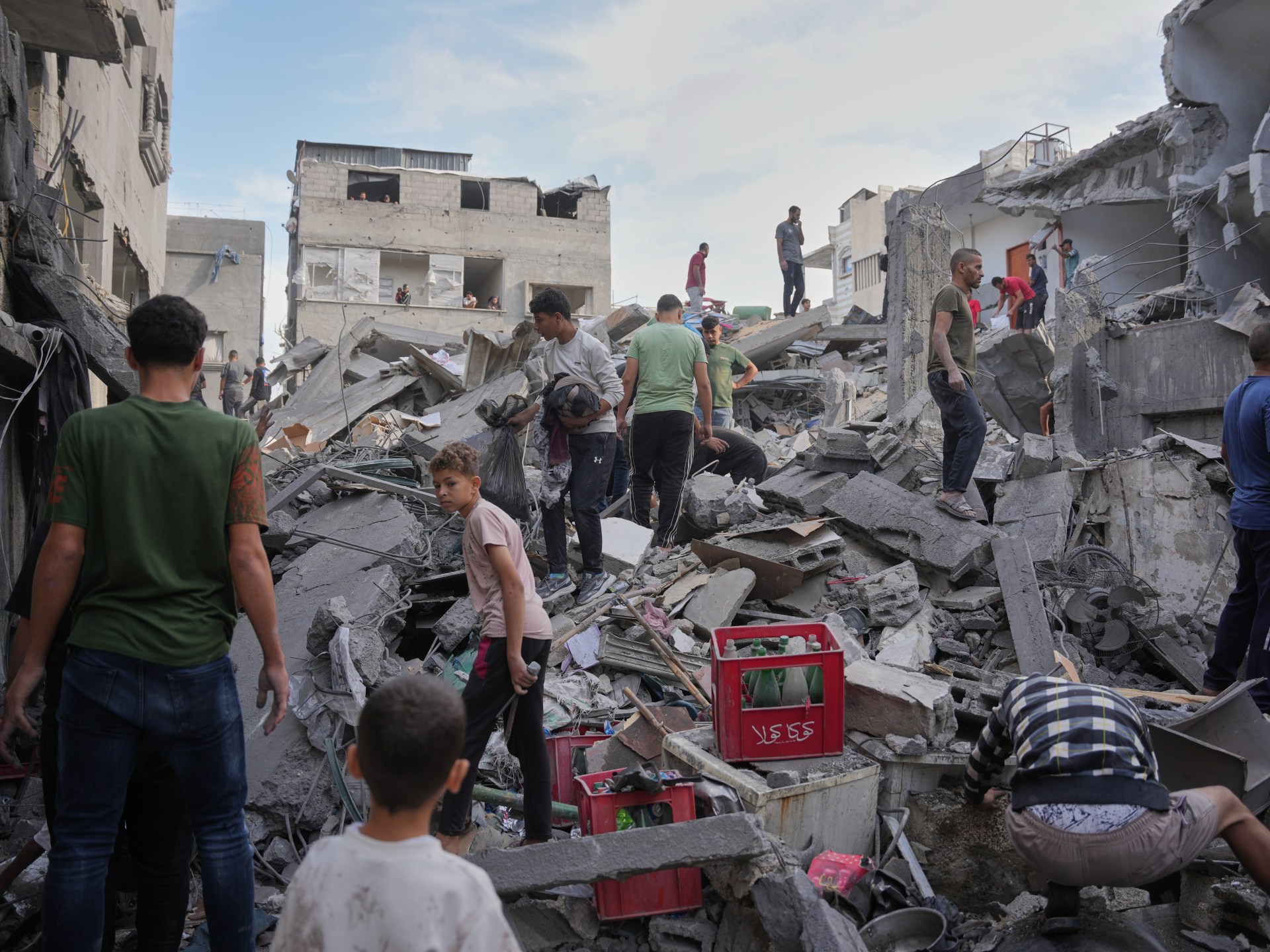
The British government is facing sharp scrutiny from human rights advocates and legal scholars following the formal rollout of its reopened refugee resettlement framework, which effectively leaves thousands of Palestinians trapped in the Gaza Strip without access to family reunification. Despite domestic legal challenges and mounting parliamentary appeals, Whitehall has maintained rigorous biometric and documentation thresholds that remain virtually impossible to satisfy inside an active war zone. Family members residing in the United Kingdom, who have attempted to sponsor trapped relatives under existing humanitarian visa frameworks, have seen applications rejected or deferred indefinitely due to strict consular protocol and the closure of British diplomatic facilities in the Palestinian territories.
The strategic dimension of London's posture underscores a wider Western reluctance to establish dedicated humanitarian corridors or visa waiver programs for Gazans, driven by domestic electoral pressures over immigration numbers and security screening concerns. Critics argue this leaves Palestinian families divided while the operational environment inside the Gaza enclave deteriorates. By treating the situation under standard statutory rules rather than emergency conflict provisions—such as those rapidly instituted for displaced Ukrainian citizens in 2022—the British administration faces accusations of double standards in its humanitarian foreign policy. This divergence has triggered profound diplomatic friction across multilateral forums, testing bilateral relations between London, Cairo, and Amman.
Global Trade & Economic Ripples
While visa adjudication remains an administrative function, the protracted impasse over displaced populations feeds directly into the volatile macro-environment governing Eastern Mediterranean trade. Regional stability in Egypt and Jordan—key sovereign buffers directly exposed to cross-border refugee spillovers—remains a fundamental pillar for the security of critical trade arteries, most notably the Suez Canal. Prolonged displacement crises continue to tax sovereign balance sheets across North Africa and the Levant, worsening foreign exchange pressures and elevating regional sovereign debt default risks.
Simultaneously, maritime shipping through the Red Sea and Eastern Mediterranean continues to price in prolonged conflict durations. Insurance underwriters maintain elevated war-risk premiums for vessels transiting the Suez route, compelling major container carriers to absorb higher fuel consumption and charter rates by diverting around Africa's Cape of Good Hope. Commodity supply chains, ranging from agricultural fertilizer flows to liquefied natural gas exports from regional terminals, remain hostage to geopolitical escalation, with policy stalemates in Western capitals signalling that an enduring regional ceasefire and stabilization architecture remains remote.
Related Intelligence: UK Deploys RAF Typhoons to Saudi Arabia Amid Red Sea Tensions
International Reactions & Diplomatic Stances
United Nations agencies and global relief consortia have issued urgent alerts regarding the human cost of bureaucratic inaction. UN bodies emphasize that international refugee treaties necessitate adaptive entry pathways during catastrophic hostilities, warning that standard consular operations cannot realistically function amidst systemic infrastructure collapse. Legal advocacy groups in the UK have prepared judicial review challenges, contending the Home Office is failing its obligations under Article 8 of the European Convention on Human Rights.
In contrast, British officials defend the framework, arguing that national security considerations require stringent identity verification that cannot be outsourced or waived. Official statements maintain that Britain continues to prioritize indirect financial aid and multilateral humanitarian mechanisms on the ground, rather than ad hoc domestic resettlement schemes. Across the Middle East, regional leaders have voiced apprehension that restrictive Western immigration channels deliberately externalize the humanitarian burden onto front-line Arab states that already host millions of displaced persons.
Strategic Outlook & Future Scenarios
The trajectory of Western asylum and resettlement provisions for the Levant will hinge on forthcoming legal challenges and domestic political debates across European capitals. Should British courts rule against the current execution of family reunion rules, the Home Office could be forced to introduce an expedited visa concession, potentially establishing a precedent for other European jurisdictions evaluating Palestinian asylum requests. Conversely, continued legislative rigidity will entrench bilateral diplomatic friction with regional transit states, while ensuring that the human and economic costs of displacement remain concentrated in the Middle East.
Join Our Official WhatsApp Channel
Receive live commodity alerts, policy changes, and commercial intelligence directly on WhatsApp.