
UK Green Party Zionism Motion Sparks International Diplomatic Uproar
The UK Green Party's vote equating Zionism with racism has ignited fierce international condemnation and internal division, raising questions about political discourse and diplomatic stability.
Geopolitical & Core Developments
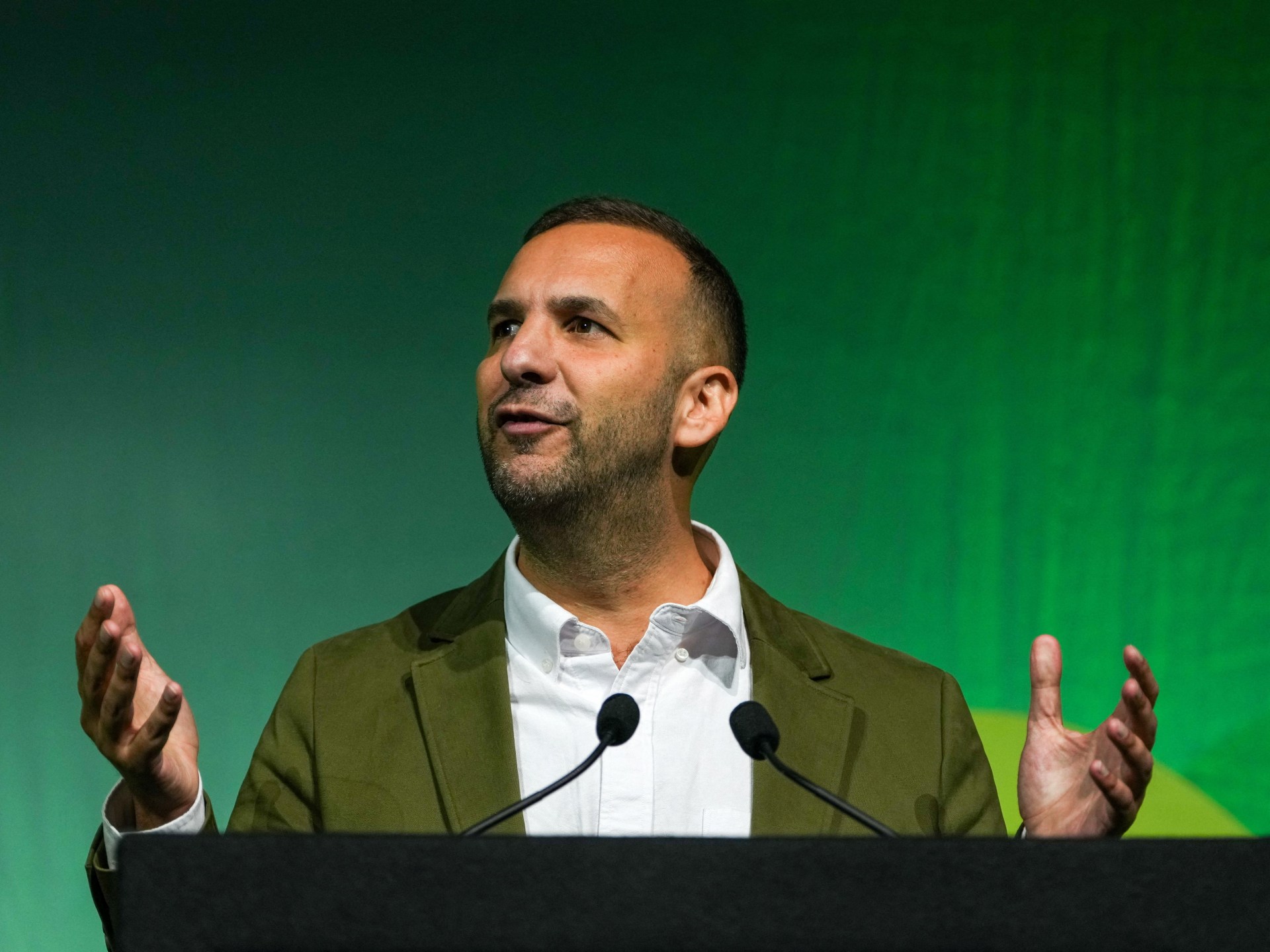
The decision by the UK Green Party to pass a motion formally equating Zionism with racism has triggered a profound political crisis within British domestic politics while sending ripples across international diplomatic channels. The vote, which took place during a party conference, immediately drew sharp rebukes from Israeli government officials, Jewish community organizations, and moderate factions within the Green Party itself. Critics argue that the motion crosses the threshold from legitimate geopolitical critique into antisemitism, effectively denying the Jewish right to self-determination. Conversely, proponents of the motion defend it as a principled stance on human rights and international law, focusing specifically on Palestinian statehood and territorial disputes. This internal schism reflects a broader, highly polarized global debate regarding the definition of anti-Zionism and its distinction from antisemitism. State actors across Western Europe are closely monitoring the situation, as domestic political parties increasingly take definitive ideological stances on the Israeli-Palestinian conflict, complicating traditional foreign policy alignments and diplomatic protocols.
Global Trade & Economic Ripples
While ideological and political resolutions passed by domestic political parties do not directly alter physical trade flows or supply chains, they contribute to an environment of heightened sociopolitical volatility in major Western economies. International trade, particularly in sensitive sectors such as defense technology, cybersecurity, and energy infrastructure, relies heavily upon predictable diplomatic stability and bilateral trust between governments. Prolonged diplomatic friction between the United Kingdom and Israel—though primarily political at this stage—can indirectly influence multinational corporate risk assessments. Institutional investors and global trading houses continuously evaluate geopolitical risk indices when positioning capital in European markets. Furthermore, heightened political activism surrounding Middle Eastern geopolitics occasionally manifests in targeted consumer boycotts, port disruptions, or labor disputes involving transport unions, creating localized friction points within global logistics and shipping networks.
Related Intelligence: Bolsonaro Surge Reshapes Brazil’s Presidential Race and Commodity Outlook
International Reactions & Diplomatic Stances
The international response to the UK Green Party's motion has been swift and multi-layered. Israeli diplomatic missions in London issued unequivocal condemnations, characterizing the vote as a dangerous normalization of discriminatory rhetoric under the guise of political activism. Mainstream British political parties, including Labour and the Conservatives, have faced renewed pressure to clarify their own stances on antisemitism and political discourse regarding Israel. Multilateral bodies and human rights organizations are observing the fallout with concern, noting that the conflation of complex nationalist ideologies with systemic racism often degrades constructive diplomatic dialogue. Market analysts and political risk consultants suggest that such polarizing domestic votes diminish the likelihood of balanced, consensus-driven legislative approaches to foreign affairs, complicating the efforts of international mediators working toward regional de-escalation in the Middle East.
Strategic Outlook & Future Scenarios
Looking ahead, the fallout from the UK Green Party conference is expected to reverberate through upcoming electoral cycles and parliamentary debates across Europe. As political parties prepare for national and local elections, the handling of foreign policy positions regarding the Middle East will likely remain a contentious battleground for voter alignment. For international businesses and commodity markets, the primary takeaway is the persistent elevation of geopolitical risk in domestic political arenas. Policymakers and trade negotiators must factor in how grassroots ideological movements can rapidly translate into parliamentary friction, potentially shifting official diplomatic postures and altering the regulatory environment for international commerce and bilateral cooperation in the quarters to come.
Join Our Official WhatsApp Channel
Receive live commodity alerts, policy changes, and commercial intelligence directly on WhatsApp.