
ASEAN Energy Chiefs Convene Amid Middle East War Disruptions
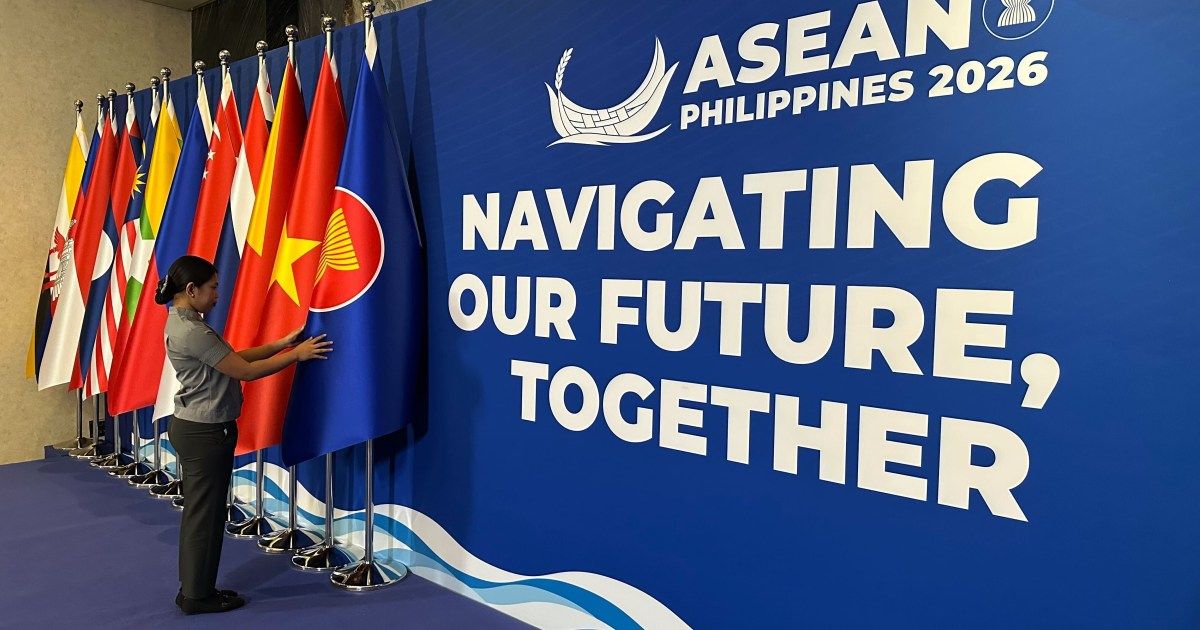
Southeast Asian energy ministers gather for emergency talks to address severe supply constraints and surging commodity prices triggered by the ongoing war on Iran.
Geopolitical & Core Developments
Southeast Asia's energy leadership has convened for high-stakes emergency consultations against the turbulent backdrop of the escalating war on Iran. As a region heavily dependent on imported hydrocarbons to fuel its rapid industrialization and manufacturing sectors, the Association of Southeast Asian Nations faces an unprecedented supply shock. The conflict in the Persian Gulf has directly imperiled maritime transit chokepoints, notably the Strait of Hormuz, through which a substantial fraction of Asia-bound crude oil and liquefied natural gas flows daily. State actors across the ten-member bloc are scrambling to recalibrate supply chains, secure emergency bilateral waivers, and assess the vulnerability of domestic critical infrastructure to prolonged kinetic conflict in the Middle East. Diplomatic channels have gone into overdrive, with foreign ministries urging immediate de-escalation while simultaneously dispatching trade delegations to alternative non-aligned producers in Central Asia and the Americas.
Global Trade & Economic Ripples
The ripple effects of the Middle Eastern conflagration have manifested instantaneously across global commodity markets, sending shockwaves through international shipping lanes and currency exchanges. Brent crude benchmarks have experienced intense volatility, breaching critical resistance levels and imposing severe cost burdens on net-importers such as Thailand, the Philippines, and Singapore. Simultaneously, Asian spot liquefied natural gas prices have surged exponentially as European and Asian buyers compete fiercely for uncontracted spot cargoes. This energy crunch is cascading through regional supply chains, inflating manufacturing overheads, exacerbating inflationary pressures, and forcing central banks to reevaluate monetary easing trajectories. Furthermore, soaring freight and war-risk insurance premiums for vessels traversing strategic waterways have inflated CIF delivery costs, straining corporate profit margins and threatening broader macroeconomic stability throughout the Indo-Pacific economic corridor.
Related Intelligence: Gaza Human Cost Underscores Deepening Middle East Supply Chain Fragility
International Reactions & Diplomatic Stances
Multilateral institutions and international regulatory bodies have issued grim assessments regarding the vulnerability of global energy architecture. The International Energy Agency has called for coordinated releases of strategic petroleum reserves to calm speculative market frenzies, while United Nations secretariats have expressed profound alarm over the humanitarian and economic fallout spilling over from the Middle East into emerging market economies. Major energy-consuming governments in the region have issued joint communiques demanding guaranteed safe passage for commercial shipping vessels. Meanwhile, market analysts and institutional commodities desks warn that unless diplomatic interventions yield a swift cessation of hostilities, industrialized economies face the spectre of stagflation reminiscent of the 1970s oil shocks, compelling multinational corporations to aggressively de-risk and diversify their operational footprints.
Strategic Outlook & Future Scenarios
Looking ahead, ASEAN member states are accelerating long-term strategic pivots to insulate their economies from future geopolitical shocks. Upcoming ministerial summits are expected to prioritize the formalization of the ASEAN Power Grid, expediting cross-border renewable energy interconnections and scaling up domestic solar, wind, and geothermal capacities. Policymakers are also reviewing national strategic petroleum reserve thresholds, with several nations contemplating legislative frameworks to mandate higher baseline inventories. However, in the near term, the trajectory of regional energy security remains hostage to the duration and intensity of the war on Iran. Should the conflict widen to encompass critical production infrastructure or permanent maritime blockades, governments may be forced to enact strict industrial power rationing and emergency price controls to protect domestic consumers.
Join Our Official WhatsApp Channel
Receive live commodity alerts, policy changes, and commercial intelligence directly on WhatsApp.