
Gaza Reporters Redefine Wartime Journalism Amid Systemic Western Media Scrutiny
Palestinian reporters in Gaza are redefining global journalism under extreme hazard, exposing deep institutional biases within Western media frameworks and transforming the geopolitical information landscape.
Geopolitical & Core Developments
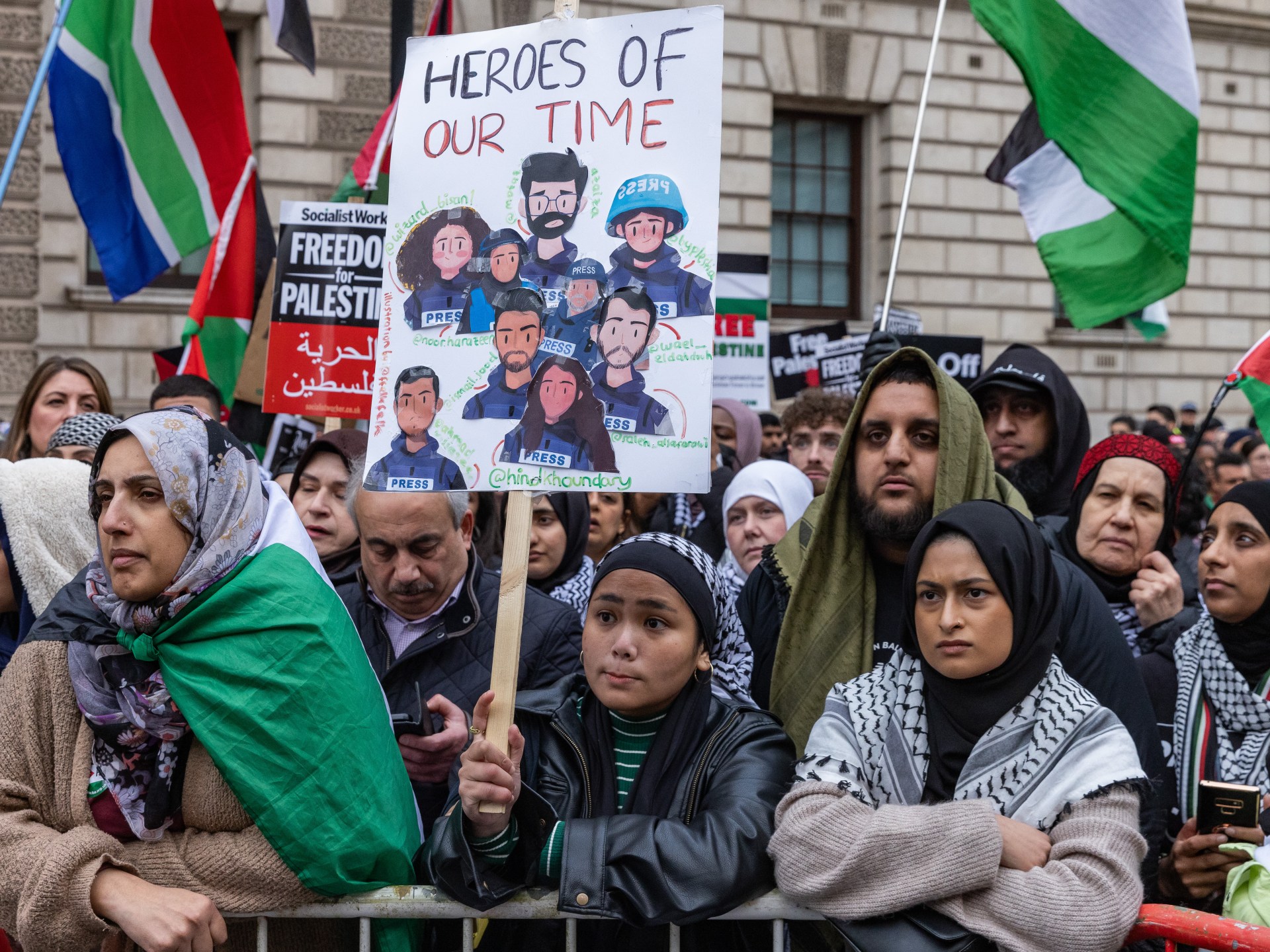
The ongoing conflict in the Gaza Strip has established a grim milestone for the safety of media personnel, transforming the enclave into one of the most dangerous assignments in the history of modern journalism. Despite a complete blockade on foreign press entry imposed by Israeli authorities, local Palestinian reporters, photojournalists, and freelancers have maintained an unbroken stream of documentation. Operating without basic protective equipment, stable electricity, or reliable internet infrastructure, these correspondents have utilized decentralized digital networks to broadcast real-time evidence of widespread destruction and humanitarian catastrophe.
This grassroots reporting network has fundamentally bypassed traditional state-controlled information filters. However, this defiance has come at an astronomical human cost, with hundreds of media workers killed in targeted or indiscriminate strikes. The systemic elimination of journalistic voices has raised grave concerns among international legal bodies regarding the protection of press freedom during active hostilities, prompting preliminary investigations by international war crimes tribunals into the deliberate silencing of chroniclers.
Global Trade & Economic Ripples
While the primary tragedy of the conflict remains humanitarian and political, the information asymmetry generated by Western media framing has direct implications for global commercial confidence, maritime logistics, and macroeconomic stability. The disruption of transparent information flows directly affects risk assessment models for international energy markets and shipping conglomerates navigating the Eastern Mediterranean and the broader Middle East.
As alternative media channels expose the true magnitude of regional instability, institutional investors and commodity traders face heightened volatility. Insurers operating in maritime corridors, particularly around the Bab el-Mandeb strait and the Red Sea, must recalibrate risk premiums based on grassroots intelligence rather than sanitized official bulletins. The democratization of wartime data accelerates the pricing of geopolitical risk into global supply chains, affecting everything from energy futures to sovereign debt yields across emerging markets.
Related Intelligence: Russian Drone Escalation Targets Ukrainian Rail Network, Disrupting Global Supply Chains
International Reactions & Diplomatic Stances
The glaring disparity between the realities on the ground in Gaza and the editorial stance of major Western news organizations has provoked intense diplomatic friction. Multilateral bodies, including various United Nations agencies and international press freedom watchdogs such as Reporters Without Borders, have repeatedly condemned the obstruction of independent reporting and the failure to protect non-combatant media workers.
Developing nations and representatives from the Global South have seized upon this editorial dissonance to critique what they perceive as selective human rights advocacy by Western governments. This dynamic has hardened diplomatic divisions within the UN General Assembly, complicating multilateral consensus on broader geopolitical resolutions and eroding the soft power traditionally wielded by Western democracies in international forums.
Strategic Outlook & Future Scenarios
Looking ahead, the resilience of Gaza's reporting corps is likely to permanently alter the architecture of international journalism and crisis management. Traditional Western news outlets face a profound crisis of credibility, which will likely accelerate audience migration toward decentralized digital platforms, independent verification networks, and regional news agencies.
In upcoming diplomatic summits and regulatory reviews, international bodies will face mounting pressure to establish enforceable legal mechanisms to protect journalists operating in asymmetric conflicts. Failure to address these systemic vulnerabilities risks institutionalizing a fragmented global media ecosystem where objective truth is increasingly contested along geopolitical fault lines, with enduring consequences for international diplomacy and market transparency.
Join Our Official WhatsApp Channel
Receive live commodity alerts, policy changes, and commercial intelligence directly on WhatsApp.