
Siberian Plague Incident Raises Biosecurity and Trade Vigilance
A fatal laboratory plague incident in Siberia has prompted strict quarantine measures, elevating international biosecurity watchfulness and prompting early risk assessments across global commodity supply chains.
Geopolitical & Core Developments
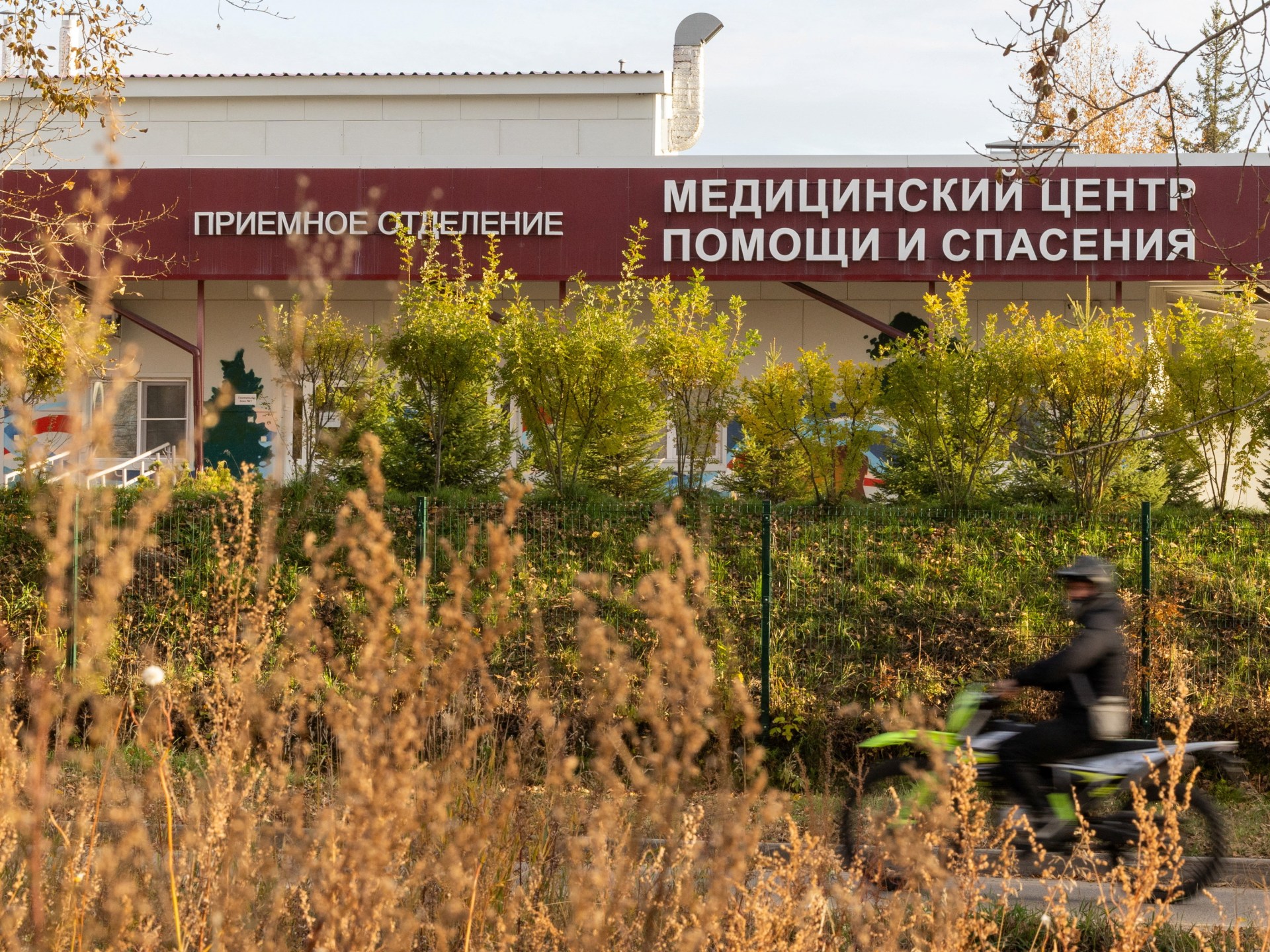
Recent reports concerning a fatal laboratory-acquired plague infection in Siberia have thrust biosecurity protocols back onto the international geopolitical agenda. While the incident remains localized, the involvement of a highly lethal pathogen within a specialized research facility has heightened sensitivity surrounding containment protocols in state-run scientific installations. Historically, plague remains endemic to specific wild rodent populations across the Siberian landscape, which served as the location for early prehistoric outbreaks. Modern containment breaches, however, carry distinct diplomatic and regulatory implications, particularly when transparency regarding biological research facilities becomes a point of contention between Moscow and international health authorities. State actors and global health organizations are currently evaluating the containment efficacy and the broader implications for regional security and scientific cooperation.
Global Trade & Economic Ripples
Although direct physical impacts on global trade corridors remain minimal at this juncture, international commodity markets and supply chain managers are maintaining heightened vigilance. Siberia serves as a critical artery for major rail and pipeline networks connecting Asian manufacturing hubs with European markets. Any escalation in quarantine restrictions, regional lockdowns, or localized transport sanitization protocols risks introducing friction into the seamless transit of raw materials, energy products, and agricultural commodities. Logistics firms operating across northern transcontinental routes are reviewing contingency plans to insulate cargo movements against potential biosecurity bottlenecks, ensuring that bulk shipping and energy flows maintain operational continuity amidst evolving regulatory scrutiny.
Related Intelligence: Houthi Airport Strikes Escalation Threatens Regional Stability and Energy Flows
International Reactions & Diplomatic Stances
Multilateral bodies, including the World Health Organization and specialized epidemiological monitoring networks, have sought formal clarifications from Russian health ministries regarding the precise containment measures deployed following the incident. Market analysts and risk assessment agencies have begun issuing advisory notes to multinational corporations operating in adjacent sectors, advising enhanced monitoring of regional workforce health and supply chain vulnerabilities. Diplomatic channels emphasize the necessity of transparent data-sharing concerning biological incidents to prevent speculative market panic and unwarranted trade restrictions. International trade associations underscore that while the risk of wider transmission is currently assessed as low, preemptive communication remains vital to sustaining market confidence.
Strategic Outlook & Future Scenarios
Looking ahead, the incident is expected to accelerate reviews of biosecurity standards across high-containment laboratories globally, with particular focus on infectious disease repositories located in remote or politically sensitive regions. Upcoming international scientific forums and diplomatic summits are likely to feature renewed debates on strengthening compliance mechanisms under biological weapons conventions and cross-border epidemiological reporting frameworks. For global businesses, the event serves as a stark reminder of the intersection between public health emergencies and macroeconomic stability, reinforcing the imperative for resilient, diversified supply chains capable of absorbing sudden regulatory and logistical shocks.
Join Our Official WhatsApp Channel
Receive live commodity alerts, policy changes, and commercial intelligence directly on WhatsApp.