
UEFA Issues Ultimatums to FIFA Over Covert Tournament Commercialization Plans
UEFA has issued a 42-question ultimatum ordering FIFA to disclose records concerning Gianni Infantino's commercialization proposals backed by foreign sovereign capital.
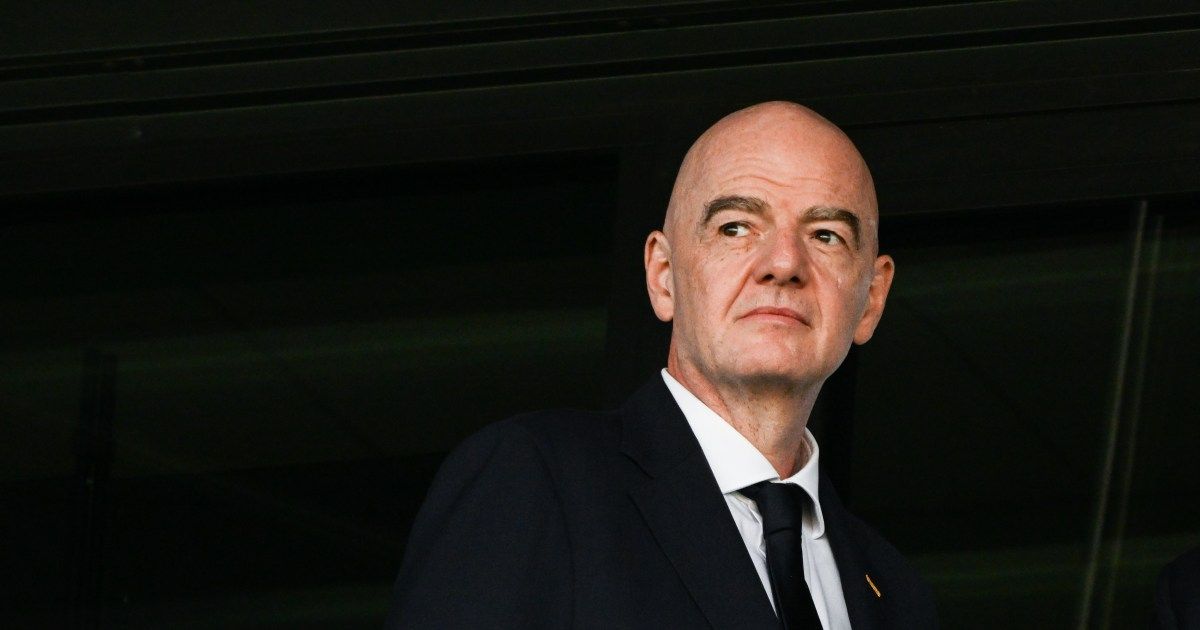
Geopolitical & Core Developments
A bitter institutional fracture within international sports diplomacy widened as the Union of European Football Associations (UEFA) issued a formal ultimatum to FIFA, demanding the unredacted release of documentation surrounding aborted multi-billion-dollar tournament expansion and commercialization plans. In a formal communication containing 42 detailed inquiries, UEFA set a strict deadline of November 2 for FIFA leadership, headed by President Gianni Infantino, to disclose the precise structural and financial terms behind proposals that envisioned privatizing rights to an expanded Club World Cup and a newly devised global Nations League.
The friction traces back to institutional negotiations where undisclosed international consortia, widely understood to feature heavy backing from Middle Eastern and East Asian sovereign finance vehicles, proposed capital injections totaling upwards of $25 billion. European football authorities argue that these closed-door negotiations bypassed established multilateral governance mechanisms, creating structural vulnerabilities and opaque commitments that jeopardize international sporting calendars and legal sovereignty across member states.
[Global Trade](/news/european-energy-crisis-fuel-inflation-trade-impact) & Economic Ripples
While ostensibly rooted in athletic administration, the battle over tournament control intersects directly with international trade dynamics, cross-border investment flows, and the commercial architecture of global broadcasting. Premium sports events represent high-yield intellectual property assets that drive foreign direct investment, transnational advertising expenditures, and telecommunications infrastructure development across emerging and developed markets alike.
Sovereign wealth funds in the Gulf Cooperation Council (GCC) have increasingly leveraged global sports franchises to diversify state portfolios away from hydrocarbon dependency, channeling oil revenues into international consumer-facing assets. A successful commercial buyout or joint venture within FIFA's operational apparatus would redirect significant capital flows through non-Western financial hubs, shifting the center of gravity away from European financial clearinghouses. Furthermore, disruptions in event hosting agreements trigger downstream volatility in civil aviation demand, localized hospitality infrastructure investments, and international municipal bond ratings tied to major stadium construction projects.
Related Intelligence: European Energy Crisis Drives Populist Surge as Global Trade Braces for Disruption
International Reactions & Diplomatic Stances
European governmental bodies and transnational regulatory authorities have monitored the internal standoff with growing scrutiny. Members of the European Parliament and national sports ministries across key member states, including Germany, the United Kingdom, and France, have voiced support for UEFA's call for transparency, emphasizing that cross-border institutional bodies operating within the European continent must adhere to strict anti-trust, anti-corruption, and procurement standards.
Conversely, regional confederations across Africa (CAF), Asia (AFC), and Latin America have historically favored capital-rich tournament expansions, arguing that centralized European control perpetuates financial imbalances in international athletic funding. FIFA representatives maintain that all explored investment models sought to democratize revenue distribution across developing football economies rather than concentrate commercial windfalls within established European domestic leagues.
Strategic Outlook & Future Scenarios
The standoff between UEFA and FIFA approaches a critical juncture as the November 2 deadline lapses without clear resolution. Should FIFA refuse or only partially satisfy the 42 disclosure demands, UEFA leadership may explore formal legal appeals before the Court of Arbitration for Sport (CAS) or file competition law complaints with the European Commission.
Moving forward, the confrontation will shape upcoming multilateral summits and bilateral negotiations governing international calendar alignments through 2030. The institutional resistance encountered by Infantino demonstrates the structural hurdles sovereign-backed private capital faces when seeking to acquire established international sports assets. Global investors and media conglomerates will watch the dispute closely, as the eventual governance framework will determine the pricing, exclusivity, and sovereign participation parameters for sports asset transactions globally.
Join Our Official WhatsApp Channel
Receive live commodity alerts, policy changes, and commercial intelligence directly on WhatsApp.