
Turkiye Moves to Ratify Trilateral Defence Agreement with Saudi Arabia and Pakistan
Ankara has initiated legislative steps to formalize a comprehensive trilateral defence agreement with Riyadh and Islamabad, cementing an emerging security axis across South Asia and the Middle East.
Geopolitical & Core Developments
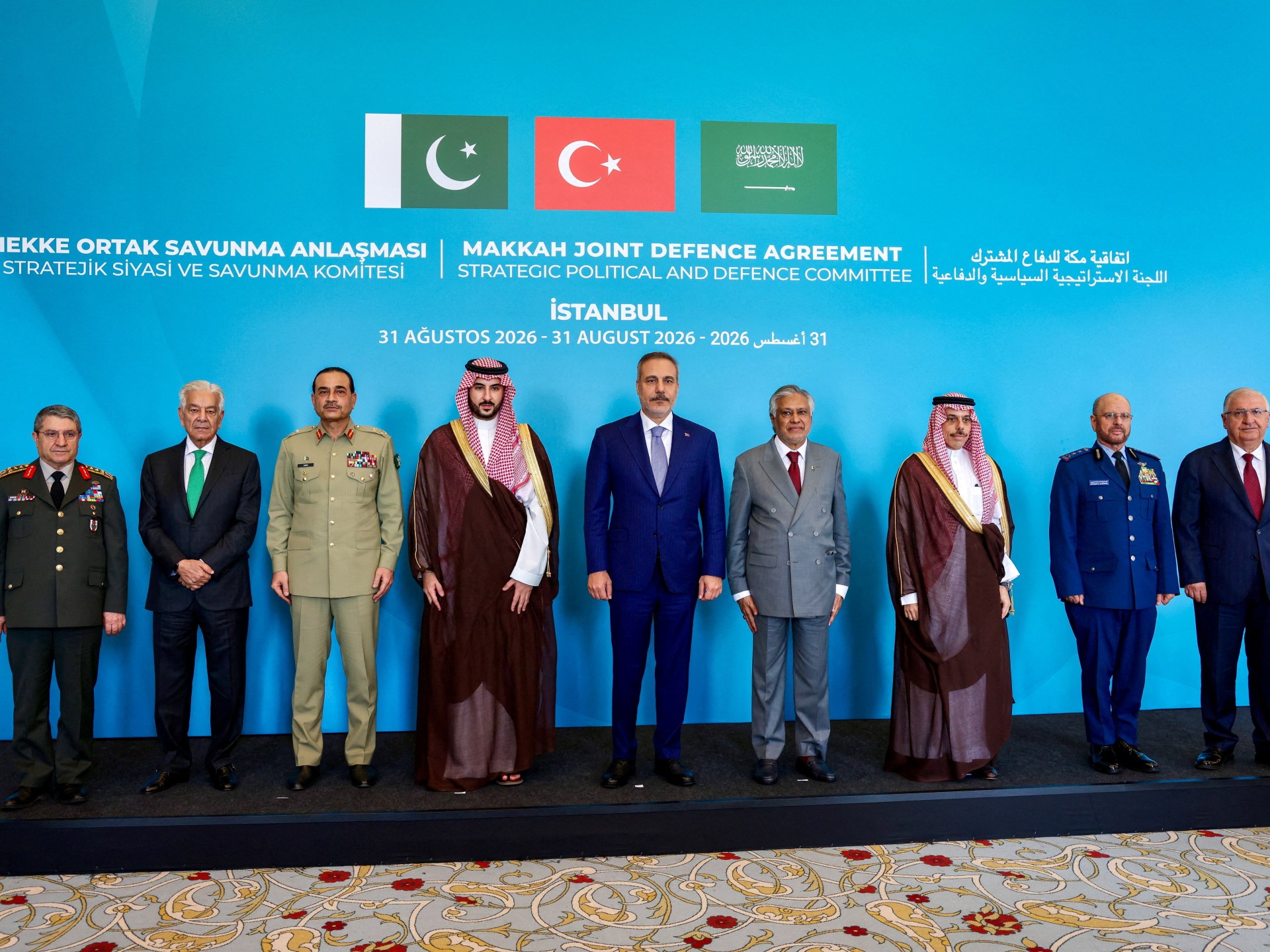
The Turkish Grand National Assembly has formally begun deliberations to ratify a landmark trilateral defence cooperation agreement signed between Turkiye, the Kingdom of Saudi Arabia, and the Islamic Republic of Pakistan. Formulated during high-level strategic dialogues in Mecca, the agreement codifies joint security mechanisms, collaborative military procurement, and intelligence-sharing protocols among three of the most capable militaries in the Islamic world.
The pact represents the culmination of multi-year diplomatic alignment between Ankara, Riyadh, and Islamabad. While Pakistan and Saudi Arabia have maintained bilateral security arrangements dating back decades—including mutual assistance commitments—and Turkiye has significantly expanded defence ties with both Gulf partners and Islamabad, this tripartite framework formalizes a multilateral security architecture. Under the terms of the treaty, the signatories intend to facilitate joint defence research, streamline military logistics interoperability, and coordinate on regional counterterrorism operations. The move underscores Turkiye's expanding influence in Gulf security affairs and Pakistan's strategic positioning as a core military partner for Gulf Cooperation Council states.
Global Trade & Economic Ripples
The commercial implications of the trilateral agreement extend directly into the global aerospace, defence technology, and energy sectors. By institutionalizing collaborative manufacturing, the three nations are seeking to reduce systemic reliance on Western and traditional tier-one defense suppliers. Turkiye's burgeoning domestic defence complex, led by unmanned aerial vehicle producers, naval shipbuilders, and radar systems developers, stands to secure substantial long-term capitalization and procurement commitments from Saudi Arabia's Vision 2030 localization initiative.
Simultaneously, the integration of Pakistan's skilled technical personnel and manufacturing facilities provides scalable industrial capacity. The agreement is poised to alter capital flows in military procurement, redirecting billions of dollars into indigenous consortiums across the three partner states. For maritime logistics, stability in the northern Indian Ocean, the Arabian Sea, and the Red Sea corridor represents a vital mutual interest; joint naval coordination between the signatories provides additional protection for commercial shipping lanes that handle significant volumes of crude oil and liquefied natural gas destined for European and Asian markets.
Related Intelligence: Russia Backs Iran Amid Rising Middle East Tensions and Energy Windfalls
International Reactions & Diplomatic Stances
The ratification process has drawn close monitoring from both regional capitals and Western allies. Observers in Washington and European headquarters are evaluating the extent to which this non-NATO alignment impacts established Atlantic alliance coordination, particularly as Turkiye continues to balance NATO commitments with autonomous foreign policy initiatives. Western defence contractors face increasing competition in the Gulf market, where Turkish firms have demonstrated competitive pricing and lower regulatory barriers for technology transfer.
Regional analysts note that the consolidation of this trilateral alliance will inevitably be viewed with scrutiny by New Delhi, given Pakistan's central participation in the pact. In Tehran, diplomats have maintained a cautious public stance, though security planners are assessing the broader implications of a fortified, Sunni-majority security architecture along Iran's eastern and southern maritime flanks. Financial and geopolitical analysts broadly characterize the development as another manifestation of a multipolar international system where middle powers actively engineer collective security alternatives independent of traditional great-power patron-client frameworks.
Strategic Outlook & Future Scenarios
Following legislative approval in Ankara, the operational focus will transition to the establishment of joint working groups and technical oversight commissions. The immediate trajectory points toward unified military exercises and joint production agreements covering aerial surveillance platforms, precision-guided munitions, and electronic warfare systems.
Key inflection points over the coming eighteen months include upcoming summits of the defence ministers to finalize capital investments for shared production facilities. If implemented effectively, the Mecca pact could expand to incorporate additional Gulf or North African partners, fundamentally altering Middle Eastern defence spending paradigms. However, sustaining the alliance will require managing complex diplomatic balances, particularly regarding the partners' varied relations with external powers such as China, the United States, and regional actors across the broader Indian Ocean rim. The institutionalization of this bloc marks a decisive evolution toward decentralized, regionalized defense strategies.
Join Our Official WhatsApp Channel
Receive live commodity alerts, policy changes, and commercial intelligence directly on WhatsApp.