
Kenya Confirms Ninth Ebola Case Raising East African Cross-Border Health Alarms
Kenya has confirmed its ninth Ebola case involving an individual in quarantine, prompting East African nations to heighten cross-border biosecurity protocols along vital logistics corridors.
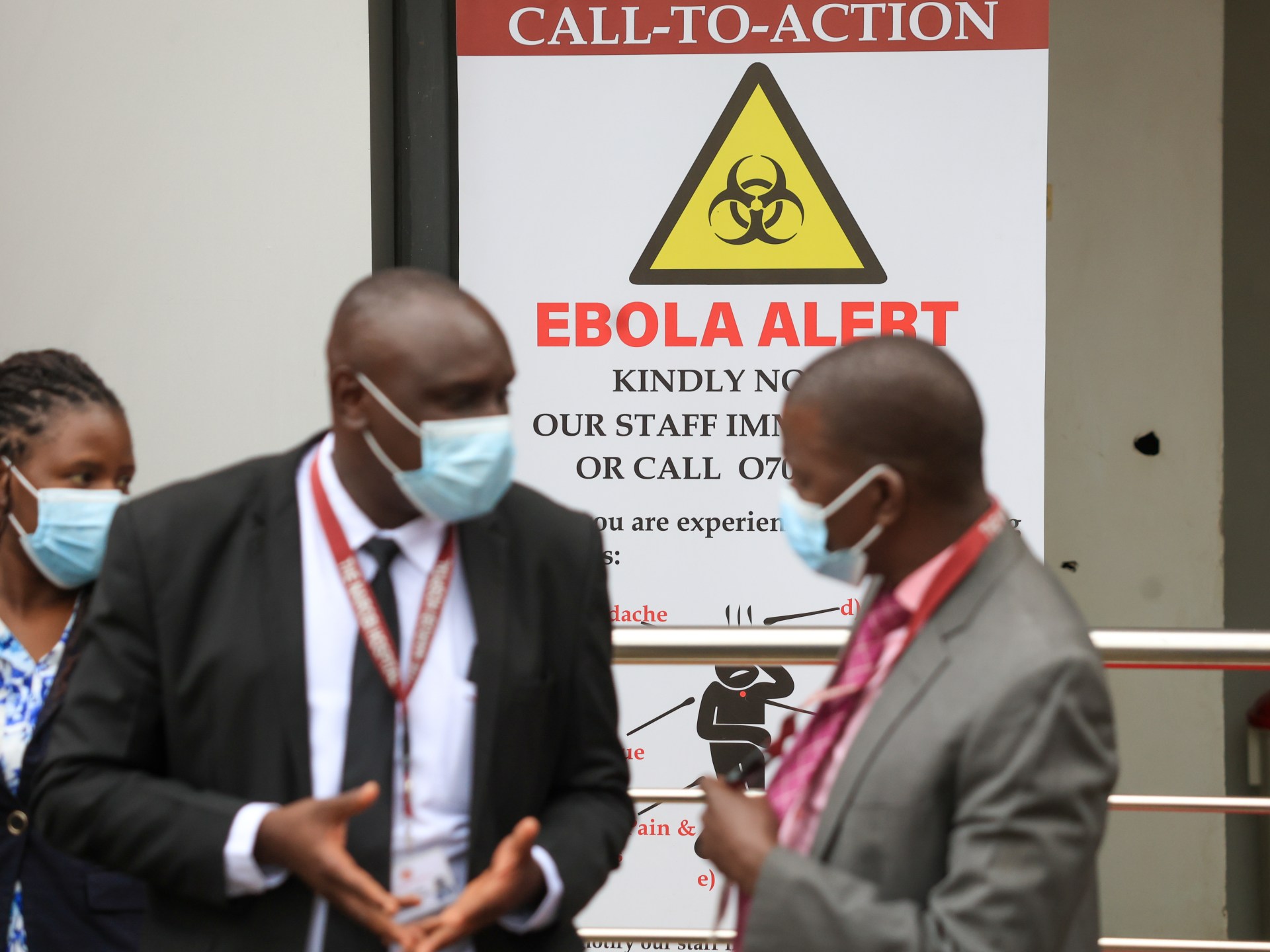
Geopolitical & Core Developments
Kenya has officially confirmed its ninth case of the Ebola virus after a 24-year-old male, who was already undergoing managed quarantine, returned a positive laboratory diagnosis. Health authorities in Nairobi moved quickly to stress that the patient had been under observation since contact-tracing protocols flagged potential exposure, mitigating the immediate risk of untracked secondary transmissions within dense urban centers. Nevertheless, the confirmation has renewed deep concerns across the East African Community (EAC) regarding cross-border viral transmission, testing the resilience of public health frameworks that are still recovering from successive epidemiological challenges.
The strategic stakes for Nairobi are significant. As the diplomatic, financial, and logistical anchor of East and Central Africa, Kenya maintains porous borders and high-volume human traffic with neighboring nations, including Uganda, South Sudan, and Tanzania. The government has activated regional disease surveillance hubs, deployed specialized medical personnel to primary points of entry, and increased the frequency of joint epidemiological data-sharing sessions with counterpart ministries across the region. Containment remains the primary objective, with public health officials racing to insulate domestic economic hubs from prospective travel advisories or regional movement restrictions.
Global Trade & Economic Ripples
The emergence of cluster cases in Kenya introduces distinct vulnerabilities to East African trade architecture, particularly along the Northern Corridor. This critical logistics artery links the Port of Mombasa to landlocked economies including Uganda, Rwanda, Burundi, and eastern parts of the Democratic Republic of the Congo. Mandatory health screenings, vehicle disinfection mandates, and driver health documentation checks at border posts risk introducing freight dwell times, raising logistics costs for agricultural commodities, refined petroleum, and manufacturing inputs moving through the region.
While global energy benchmarks and major international financial indices remain insulated from localized biosecurity measures, regional commodity value chains face logistical friction. Kenya serves as a pivotal origin and transit hub for global tea, cut flowers, and horticultural exports bound for European and Middle Eastern markets. Prolonged clearance protocols at Jomo Kenyatta International Airport or cargo hubs could strain cold-chain logistics, while the regional hospitality and international conference sectors face potential headwinds should international travel advisories escalate beyond baseline advisories.
Related Intelligence: Russia Backs Iran Amid Rising Middle East Tensions and Energy Windfalls
International Reactions & Diplomatic Stances
The World Health Organization (WHO) Africa Regional Office has acknowledged Kenya's proactive containment measures, commending the rapid identification of the case within a regulated quarantine environment. Multilateral health partners have pledged supplementary diagnostic reagents, personal protective equipment (PPE), and technical epidemiological support to reinforce border surveillance infrastructure. Diplomatic missions in Nairobi are closely monitoring domestic advisories, with Western embassies currently maintaining travel advisories that emphasize caution rather than blanket transit restrictions.
The African Union's Africa Centres for Disease Control and Prevention (Africa CDC) reiterated the need for harmonized regional protocols. A spokesperson noted that uncoordinated unilateral border closures would inflict severe economic damage on regional livelihoods without yielding superior epidemiological outcomes compared to targeted surveillance and contact tracing. Regional trade bodies have echoed this sentiment, urging member states to prioritize rapid-testing capabilities over physical transport stoppages.
Strategic Outlook & Future Scenarios
Over the near term, Kenya's primary test lies in the complete isolation of primary contacts and the prevention of community-level transmission beyond managed facilities. Should public health authorities maintain zero untraced transmissions, the economic impact will remain confined to operational biosecurity expenditures and localized supply chain delays. Under this baseline scenario, regional trade flows through Mombasa will proceed with minimal structural disruption.
Conversely, an escalation involving unlinked clusters in urban hubs such as Nairobi or western commercial centers would force regional governments to institute stringent internal movement restrictions. Such an outcome would trigger broader supply chain adjustments, disrupt air transit schedules, and necessitate an urgent mobilization of multilateral emergency financing. The coming fortnight will serve as the critical window determining whether East Africa successfully arrests the transmission chain or faces a protracted public health and economic challenge.
Join Our Official WhatsApp Channel
Receive live commodity alerts, policy changes, and commercial intelligence directly on WhatsApp.