
Turkiye Pledges Military Support to Saudi Arabia Amid Intensifying Houthi Strikes
Turkiye has affirmed readiness to provide military backing to Saudi Arabia amid escalating Houthi attacks, marking a significant strategic realignment with critical implications for Red Sea shipping and global energy security.
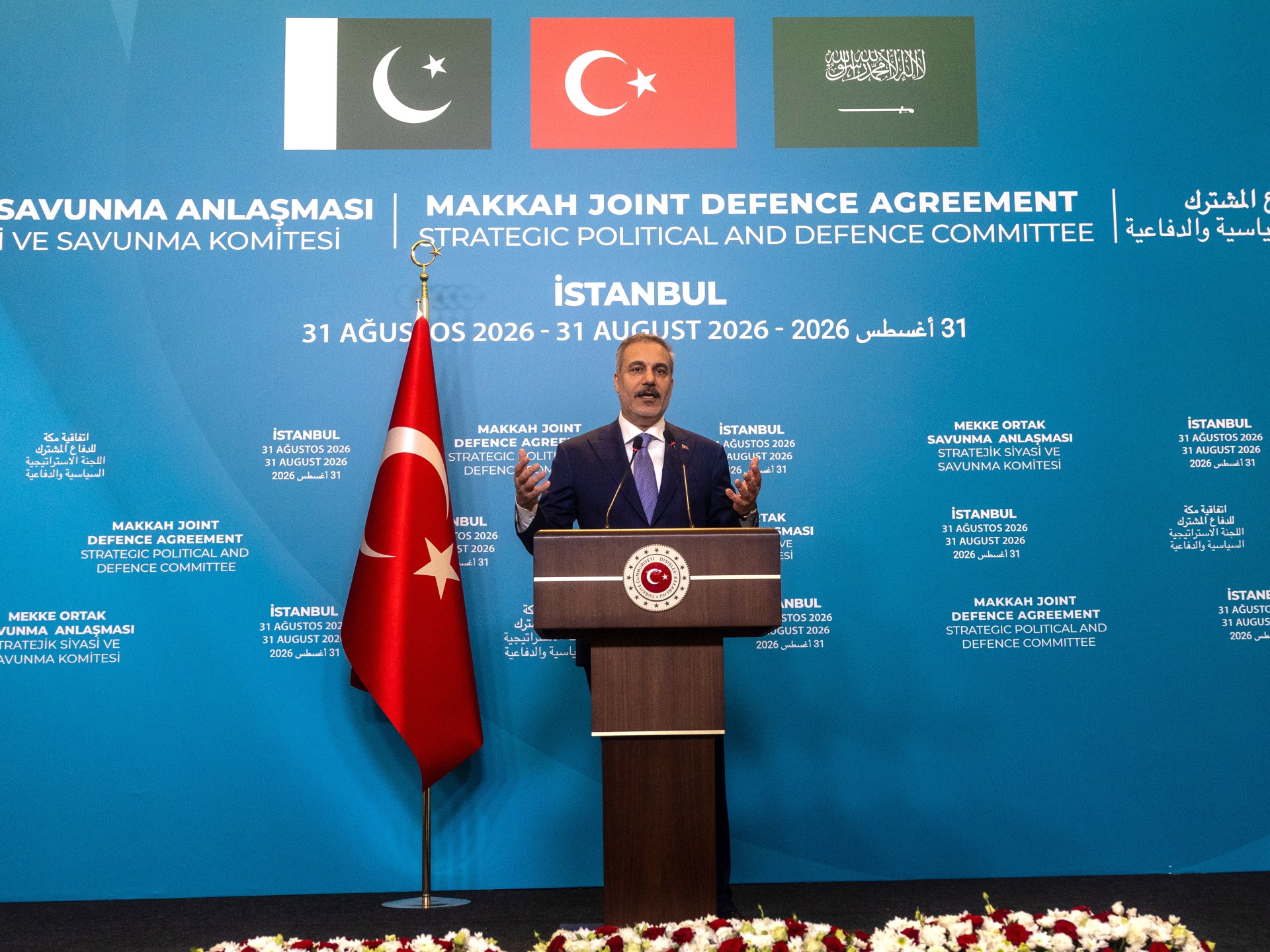
Geopolitical & Core Developments
Ankara has formally declared its readiness to provide security and military assistance to Saudi Arabia, marking a decisive turning point in Middle Eastern defense architecture amid intensifying attacks by Yemen's Houthi movement. In an official briefing, Turkish Foreign Minister Hakan Fidan underscored Turkiye's firm commitment to Riyadh's territorial integrity, indicating that Ankara stands prepared to share defense technologies, counter-drone expertise, and military operational support. This high-level alignment reflects the culmination of a multi-year diplomatic rapprochement between the two regional powers, effectively superseding previous geopolitical rivalries and the diplomatic rift following the 2018 Khashoggi crisis.
The strategic timing of Turkiye's overture coincides with an aggressive expansion of Houthi military operations. Deploying advanced unmanned aerial vehicles (UAVs), loitering munitions, and anti-ship ballistic missiles, the Yemeni insurgent group has expanded its target perimeter beyond maritime commerce to threaten critical infrastructure across the Arabian Peninsula. By stepping forward as a security guarantor, Turkiye aims to integrate its indigenous defense industry—most notably its battle-proven unmanned aerial systems, such as Baykar's Bayraktar platforms—into Gulf air defense ecosystems, forging a consolidated front capable of neutralizing asymmetric aerial threats.
Global Trade & Economic Ripples
The security posture adopted by Ankara and Riyadh bears acute relevance for global trade stability and international energy flows. The southern Red Sea and the Bab el-Mandeb Strait serve as a vital conduit for approximately 12 percent of global seaborne commerce and nearly 10 percent of traded petroleum products. Protracted Houthi strikes have forced premier container carriers—including Mediterranean Shipping Company, Maersk, and CMA CGM—to circumvent the Suez Canal entirely, routing vessels around Africa’s Cape of Good Hope. This diversion imposes an additional 10 to 14 days of transit time, sharply raising operating costs, bunker fuel consumption, and container spot rates.
Simultaneously, the threat landscape exerts persistent upward pressure on crude benchmarks, including Brent and West Texas Intermediate (WTI). While production has remained largely stable, energy traders consistently factor in a geopolitical risk premium due to the vulnerability of Saudi western oil export facilities and Red Sea shipping corridors. Turkiye's prospective deployment of counter-battery and radar surveillance equipment could help mitigate risk perceptions; however, marine insurers continue to levy elevated war-risk premiums on vessels traversing regional waters, sustaining supply-chain friction and feeding into imported inflation across European and Asian economies.
International Reactions & Diplomatic Stances
The deepening military understanding between Turkiye and Saudi Arabia has triggered notable diplomatic reassessments across major global capitals. In Washington, defense officials have tacitly endorsed closer interoperability between a key NATO member and a vital non-NATO partner, viewing the bilateral cooperation as a mechanism to alleviate operational strain on the U.S. Central Command (CENTCOM) and multilateral maritime coalitions.
Conversely, regional adversaries have observed the convergence with strategic unease. Observers in Tehran perceive Turkish defense integration with the Gulf Cooperation Council (GCC) as a counterweight against Iran’s regional alignment network, commonly referred to as the Axis of Resistance. Meanwhile, United Nations officials and Special Envoy for Yemen Hans Grundberg have voiced concern that expanded external military engagement could jeopardize ongoing political negotiations aimed at establishing a permanent ceasefire in Yemen. Across the GCC, sovereign leaderships have broadly commended Turkiye's security commitment, interpreting it as a foundation for institutionalized Middle Eastern defense self-reliance.
Strategic Outlook & Future Scenarios
The trajectory of the Turkish-Saudi security accord will depend on the speed with which political commitments materialize into operational agreements. Analysts anticipate that forthcoming bilateral defense summits will culminate in formal defense procurement contracts, joint military training exercises in the Red Sea littoral, and intelligence-sharing frameworks targeting maritime smuggling corridors.
In a baseline scenario, expanded counter-drone deployments along Saudi Arabia's southern perimeter will bolster air defenses, reducing the operational success rate of Houthi projectiles without triggering wider regional escalation. However, should Houthi strikes inflict severe damage on major industrial or civilian centers, Riyadh and Ankara could transition from defensive interception toward joint retaliatory strikes and maritime interdiction patrols. Such an escalation would challenge the fragile Saudi-Iranian detente brokered by Beijing in 2023, compelling regional stakeholders to balance defensive posturing with high-stakes diplomatic containment to protect long-term economic transformation programs.
Join Our Official WhatsApp Channel
Receive live commodity alerts, policy changes, and commercial intelligence directly on WhatsApp.