
Saudi Air Defenses Intercept Houthi Ballistic Missile Fired at Riyadh
Saudi air defense systems intercepted a Houthi ballistic missile over Riyadh, sounding capital-wide sirens and reigniting volatility across international energy and maritime trade corridors.
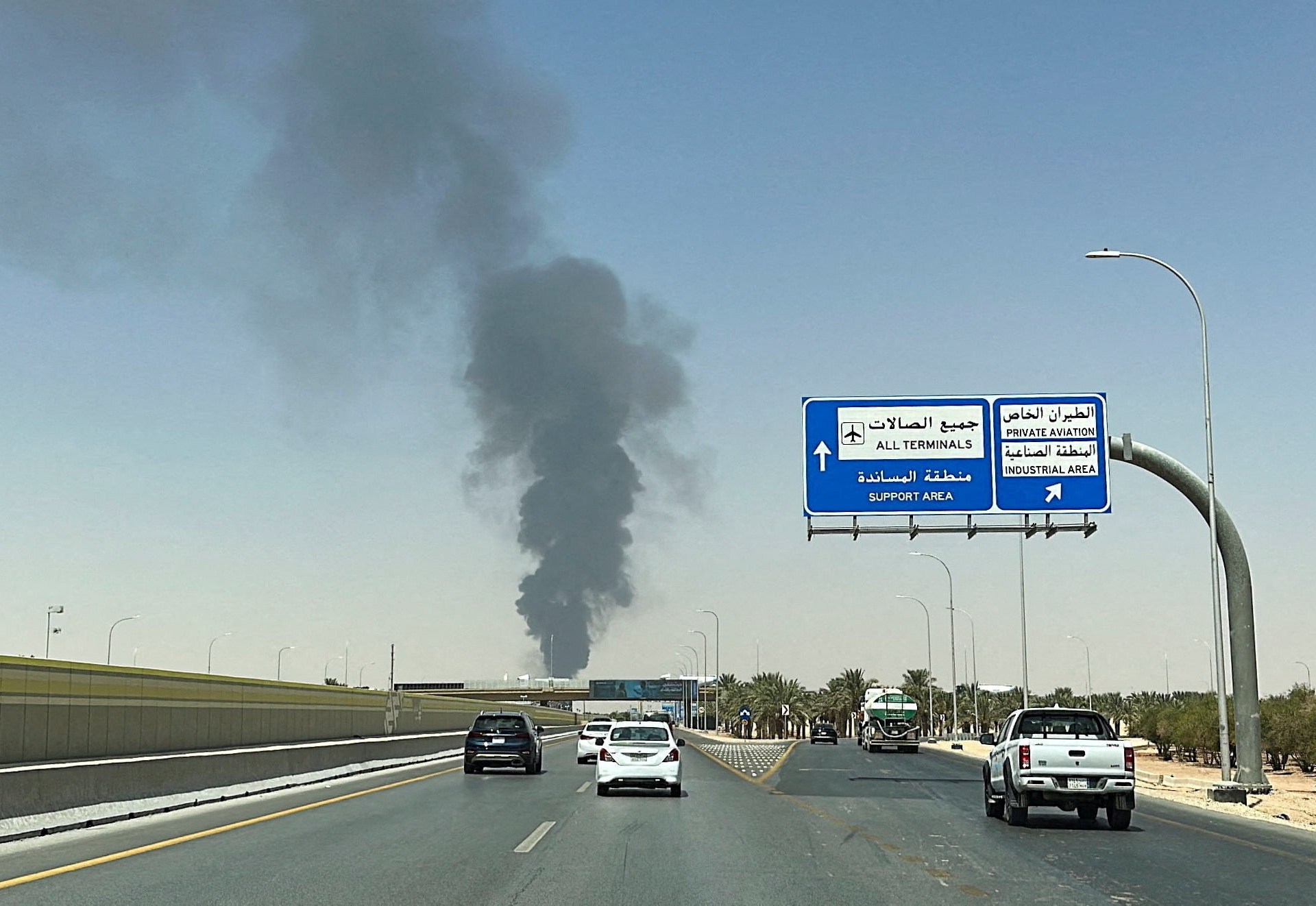
Geopolitical & Core Developments
Saudi air defense forces successfully intercepted a ballistic missile launched by Yemen's Houthi movement toward Riyadh, triggering air raid sirens across the capital for the first time in months. The Saudi-led military coalition confirmed that the incoming projectile was neutralized in mid-air above the city's perimeter, with no casualties or catastrophic infrastructural damage reported. Fragments from the intercepted ordnance fell across outlying residential districts, creating immediate public alarm and demonstrating the persistent operational reach of the Yemeni insurgent group.
The interception represents a serious inflection point in the protracted regional conflict. Houthi military leadership claimed responsibility for the launch, stating that the operation utilized advanced long-range ballistic platforms aimed at strategic administrative and military targets. Riyadh renewed its accusations against Tehran, alleging the continuous transfer of sophisticated missile components, unmanned aerial vehicles, and technical advisory support to Houthi units in breach of United Nations Security Council resolutions. The incident shatters a temporary lull in direct strikes against sovereign Saudi population centers, placing severe strain on diplomatic stabilization tracks.
Global Trade & Economic Ripples
The attempted strike against the Saudi capital generated immediate resonance across global energy and financial markets. Brent crude futures saw an immediate bump as commodity desks factored in renewed geopolitical risk premiums on Middle Eastern supplies. Although critical extraction and processing assets operated by Saudi Aramco remained unscathed, the proximity of missile vectors to core sovereign infrastructure renewed market awareness regarding regional supply vulnerabilities.
Beyond crude benchmarks, the commercial shipping sector faces direct economic repercussions. Maritime transit operating across the southern Red Sea and the Bab el-Mandeb strait is navigating elevated war-risk insurance premiums, which directly elevate logistics expenses along pivotal Asia-Europe trade lanes. Supply chain analysts note that continuous projectile warfare near key Gulf transport corridors jeopardizes foreign direct investment and broad economic diversification plans under Saudi Arabia's Vision 2030, where commercial stability is vital for institutional capital deployment.
Related Intelligence: Kohat Police Lines Breach Exposes Supply Chain and Security Vulnerabilities
International Reactions & Diplomatic Stances
The missile launch elicited widespread condemnation from foreign ministries and multilateral institutions. The United Nations Special Envoy for Yemen issued an urgent appeal for operational restraint, emphasizing that cross-border aerial offensives critically disrupt humanitarian assistance pipelines and undermine ongoing peace mediation efforts. The Gulf Cooperation Council and the Arab League both condemned the strike in the strongest terms, framing the incident as a direct threat to regional stability and affirming Saudi Arabia's sovereign right to territorial defense.
In Washington, the United States Department of State reiterated its defense commitments to Riyadh, condemning the reckless targeting of civilian zones while reaffirming joint security cooperation. European Union diplomats simultaneously urged de-escalation, cautioning that sustained projectile exchanges risk expanding into a wider regional confrontation that could destabilize international commercial arteries.
Strategic Outlook & Future Scenarios
The strategic trajectory suggests a heightened probability of tactical retaliation. The Saudi-led coalition is expected to carry out punitive air campaigns against missile assembly workshops, launch sites, and storage depots situated in Sana'a and northern Yemen. In parallel, Houthi commanders have signaled readiness to continue asymmetrical cross-border warfare against critical infrastructure targets throughout the Arabian Peninsula.
Diplomatic resolutions remain impeded by deeply entrenched positions on both sides. Unless international stakeholders construct verifiable enforcement mechanisms that prevent illicit arms flows and incentivize sustained political negotiations, cross-border missile strikes will remain a disruptive factor. For global commodity markets, persistent volatility and heightened insurance pricing along Gulf trade routes will keep energy supply risks elevated for the foreseeable future.
Join Our Official WhatsApp Channel
Receive live commodity alerts, policy changes, and commercial intelligence directly on WhatsApp.