
Turkey Revokes Operating Licence of Iran's Bank Mellat in Istanbul
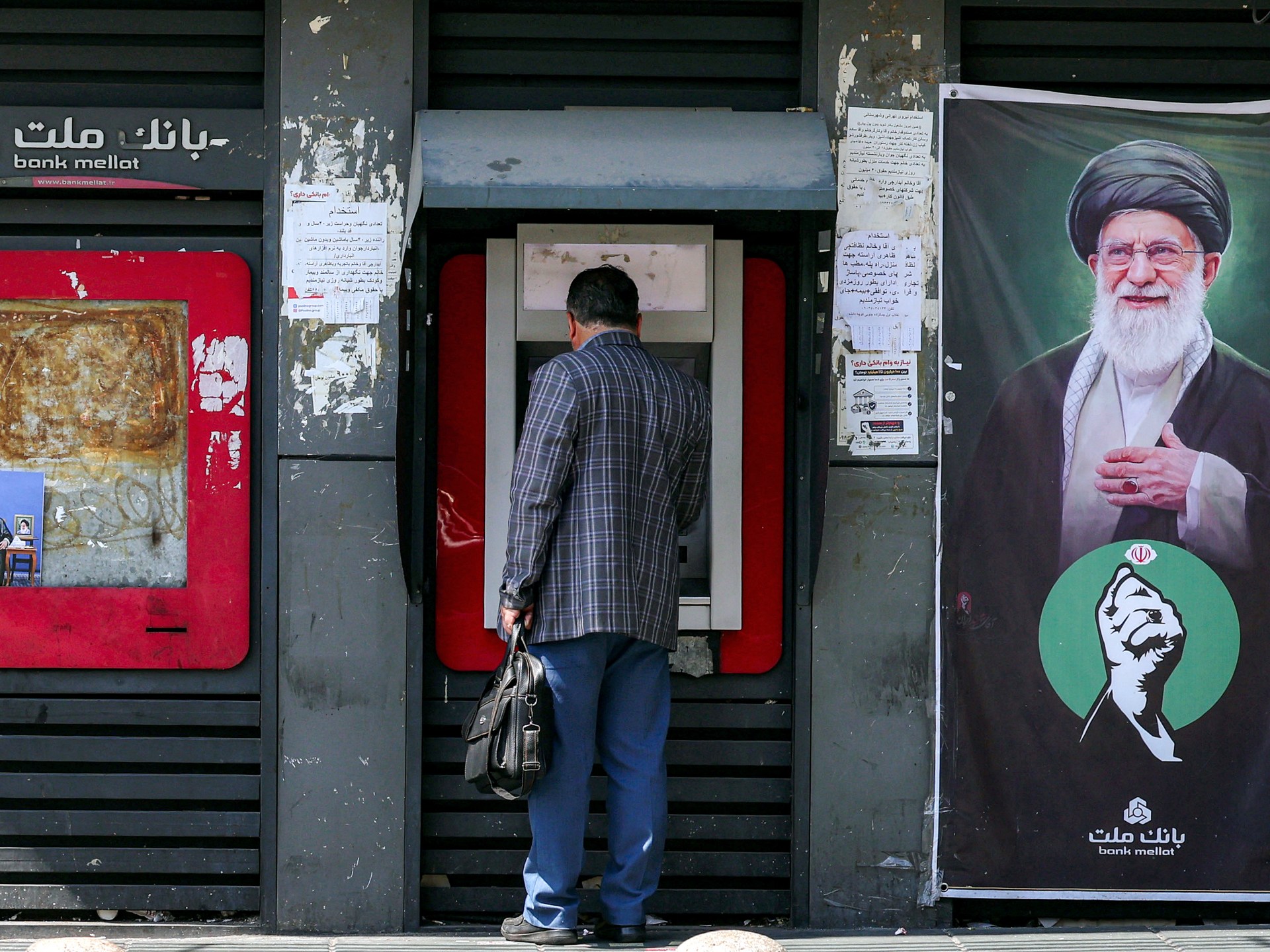
Turkey's banking regulator has revoked the operating licence of Iran's Bank Mellat in Istanbul, reinforcing Ankara's compliance with international financial standards while complicating cross-border trade settlements with Tehran.
Geopolitical & Core Developments
In a decisive regulatory maneuver carrying substantial geopolitical weight, Turkey's Banking Regulation and Supervision Agency (BDDK) has officially revoked the operating licence of the Istanbul branch of Iran's Bank Mellat. The move terminates the lender's direct banking activities within Turkey's financial capital, closing a contentious institutional chapter that has spanned several decades. Bank Mellat, one of the Islamic Republic's largest commercial financial institutions, has long occupied the crosshairs of Western regulatory bodies, most notably the United States Department of the Treasury's Office of Foreign Assets Control (OFAC), over allegations of facilitating financial transfers linked to Tehran's nuclear development program and regional defense apparatus.
The regulatory intervention underscores Ankara's recalibration of its foreign and economic policy under Treasury and Finance Minister Mehmet Simsek. Following Turkey's successful exit from the Financial Action Task Force (FATF) 'grey list' in mid-2024, the government has prioritized re-establishing institutional credibility with Western financial markets and attracting international portfolio capital. High-level delegations from Washington have frequently visited Ankara and Istanbul to scrutinize sanctions evasion and dual-use goods transit, exerting persistent diplomatic and regulatory pressure on Turkish authorities to curtail non-compliant entities operating within the domestic banking sector.
Global Trade & Economic Ripples
The closure of Bank Mellat's operations in Istanbul introduces significant friction into legitimate bilateral commerce between Turkey and Iran. Historically, the bank functioned as one of the few surviving formal conduits facilitating payment settlements for non-sanctioned goods, cross-border commercial transactions, and industrial supply lines. Bilateral trade between Ankara and Tehran—which spans Turkish manufactured exports, textiles, and agricultural goods alongside Iranian natural gas, base metals, and petrochemical derivatives—will face narrower settlement avenues.
While primary energy contracts, including natural gas imported by Turkey's state grid operator BOTAS, are typically cleared via specialized institutional mechanisms, mid-tier commercial trading houses and industrial suppliers will bear the immediate brunt of the disruption. Market analysts anticipate that the withdrawal of Bank Mellat will accelerate a structural shift toward informal payment corridors, including local currency bilateral swaps, private barter mechanisms, and regional hawala networks across border provinces. Consequently, transaction costs, currency risk premiums, and clearing delays are projected to climb, elevating compliance burdens for international supply chains traversing the Anatolian and Middle Eastern transit corridors.
International Reactions & Diplomatic Stances
Western financial capitals, particularly Washington and Brussels, have viewed the revocation as a pragmatic and necessary alignment with global anti-money laundering and counter-terrorist financing (AML/CFT) frameworks. Western policy analysts maintain that the measure reflects Turkey's commitment to mitigating secondary sanctions risks, which have previously threatened to compromise Turkish commercial banks dealing with US dollar clearing networks.
Conversely, Tehran has consistently criticized Western-led sanctions regimes as unlawful extraterritorial economic warfare, maintaining that Bank Mellat operates in strict accordance with international commercial law. Iranian trade associations and diplomatic representatives are expected to seek bilateral consultations with Ankara to negotiate compensatory financial routing mechanisms, seeking to insulate cross-border commerce from Western extraterritorial jurisdiction. Turkish industry representatives have expressed cautious neutrality, prioritizing sovereign banking integrity while urging policymakers to preserve legal trade volumes with Iran.
Strategic Outlook & Future Scenarios
Looking ahead, the regulatory shuttering of Bank Mellat indicates a broader regional contraction of Iran's formal banking footprints across key Eurasian transit hubs, including Turkey and the United Arab Emirates. As the enforcement of secondary sanctions intensifies amid ongoing diplomatic stalemates surrounding the Joint Comprehensive Plan of Action (JCPOA) and regional security escalations, Turkish financial institutions are expected to enforce heightened due diligence on transactions originating from or terminating in Iran.
In the medium term, Tehran will likely double down on initiatives within multilateral groupings such as the Shanghai Cooperation Organisation (SCO) and the expanded BRICS bloc to construct alternative, non-Western clearing platforms. However, developing functional alternatives to Western financial messaging and settlement frameworks remains a protracted, structurally complex undertaking. For Turkey, maintaining economic equilibrium requires balancing compliance with Western banking norms against the necessity of preserving energy supplies and overland trade stability with its eastern neighbor.
Join Our Official WhatsApp Channel
Receive live commodity alerts, policy changes, and commercial intelligence directly on WhatsApp.