
Tunisia Economic Crisis Deepens as Inflation and Fiscal Deficits Mount
Tunisia faces intensifying economic turbulence characterized by soaring living costs, structural joblessness, and stalled multilateral credit agreements, threatening broader macroeconomic stability across North Africa.
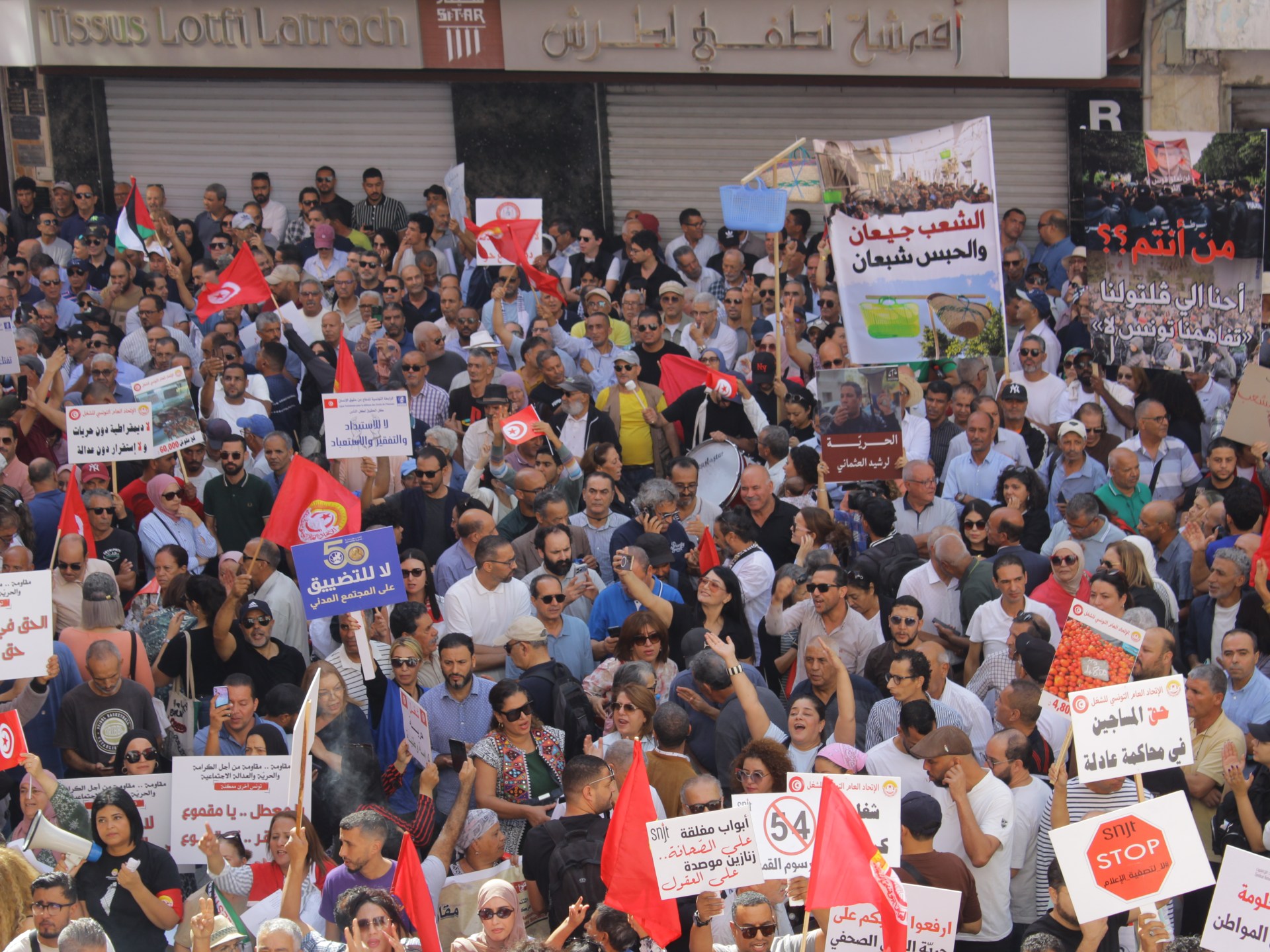
Geopolitical & Core Developments
Tunisia is experiencing its most severe economic contraction in decades, characterized by escalating sovereign debt burdens, double-digit unemployment, and acute cost-of-living pressures. Over a decade after the political transition of 2011, the North African nation continues to struggle with fundamental structural deficiencies. Public services have deteriorated substantially, domestic inflation rates hover near historical peaks, and persistent shortages of essential subsidized commodities—such as flour, vegetable oil, and sugar—have disrupted daily commercial life.
At the center of this compounding crisis is a severe fiscal impasse between the Tunisian executive branch under President Kais Saied and international multilateral lenders. Negotiations over a proposed $1.9 billion International Monetary Fund (IMF) financing facility have remained suspended due to domestic resistance to mandated subsidy rationalization and public sector restructuring. With access to external commercial borrowing effectively curtailed by international credit rating downgrades, sovereign liquidity has contracted, leaving state-owned purchasing boards unable to settle international import contracts consistently.
Global Trade & Economic Ripples
The deepening insolvency in Tunis holds measurable implications for regional commerce, cross-border Mediterranean trade flows, and global agricultural supply chains. Tunisia relies heavily on imports of soft commodities and hydrocarbons to meet domestic consumption. The acute scarcity of foreign exchange reserves has slowed offloading operations at major commercial ports, delaying payments to global commodity trade houses and exacerbating maritime logistical bottlenecks across the central Mediterranean basin.
Furthermore, the erosion of purchasing power and domestic industrial activity has impacted Tunisia's key export sectors, most notably phosphate extraction, automotive wire harness manufacturing, and textile processing. As domestic logistics degrade and local currency depreciation continues, European manufacturers that rely on nearshoring suppliers in North Africa face delivery disruptions and volatile cost structures. In the energy sector, while Tunisia is not a major oil exporter, its financial fragility poses risks to regional gas transit infrastructure connecting Algerian fields to southern European terminals.
Related Intelligence: Saudi Air Defenses Intercept Drones as Egypt Weighs Regional Security Support
International Reactions & Diplomatic Stances
The trajectory of Tunisia's macroeconomic crisis has drawn urgent warnings from global financial institutions, credit rating agencies, and diplomatic partners across the European Union. Multilateral development banks have repeatedly emphasized that sovereign debt restructuring and comprehensive public wage bill reforms remain prerequisites for unlocked financing packages.
European policymakers, led by Italy and France, have expressed heightened apprehension regarding the socio-economic spillover, specifically pointing to surges in maritime migration across the Mediterranean. While the European Union previously proposed a multi-million-euro financial partnership framework tied to border controls and macroeconomic stabilization, disbursement has faced operational delays and diplomatic frictions. Analysts from major international investment banks continue to categorize Tunisian sovereign paper in high-risk distress territory, citing negligible foreign exchange reserves and elevated short-term debt servicing requirements.
Strategic Outlook & Future Scenarios
Moving forward, Tunisia’s immediate financial trajectory hinges on its capacity to secure bridge financing from regional bilateral partners or reach a compromised restructuring framework with multilateral creditors. Without a decisive injection of foreign capital, the state faces severe foreign exchange rationing, raising the likelihood of a formal sovereign debt default over the coming fiscal periods.
In the medium term, sustained domestic economic contraction risks precipitating broader labor unrest and compounding regional security vulnerabilities along North African corridors. Should external financing completely evaporate, international trade partners will likely transition commercial transactions to strict cash-in-advance mechanisms, further curtailing raw material flows and accelerating inflationary pressures across the domestic market.
Join Our Official WhatsApp Channel
Receive live commodity alerts, policy changes, and commercial intelligence directly on WhatsApp.