
Mass Protests Sweep Tunisia as Economic Crisis Weakens President Kais Saied
Thousands of Tunisians staged the largest anti-government demonstrations in years against President Kais Saied, challenging severe economic decline and shrinking democratic freedoms amidst stalled international debt negotiations.
Geopolitical & Core Developments
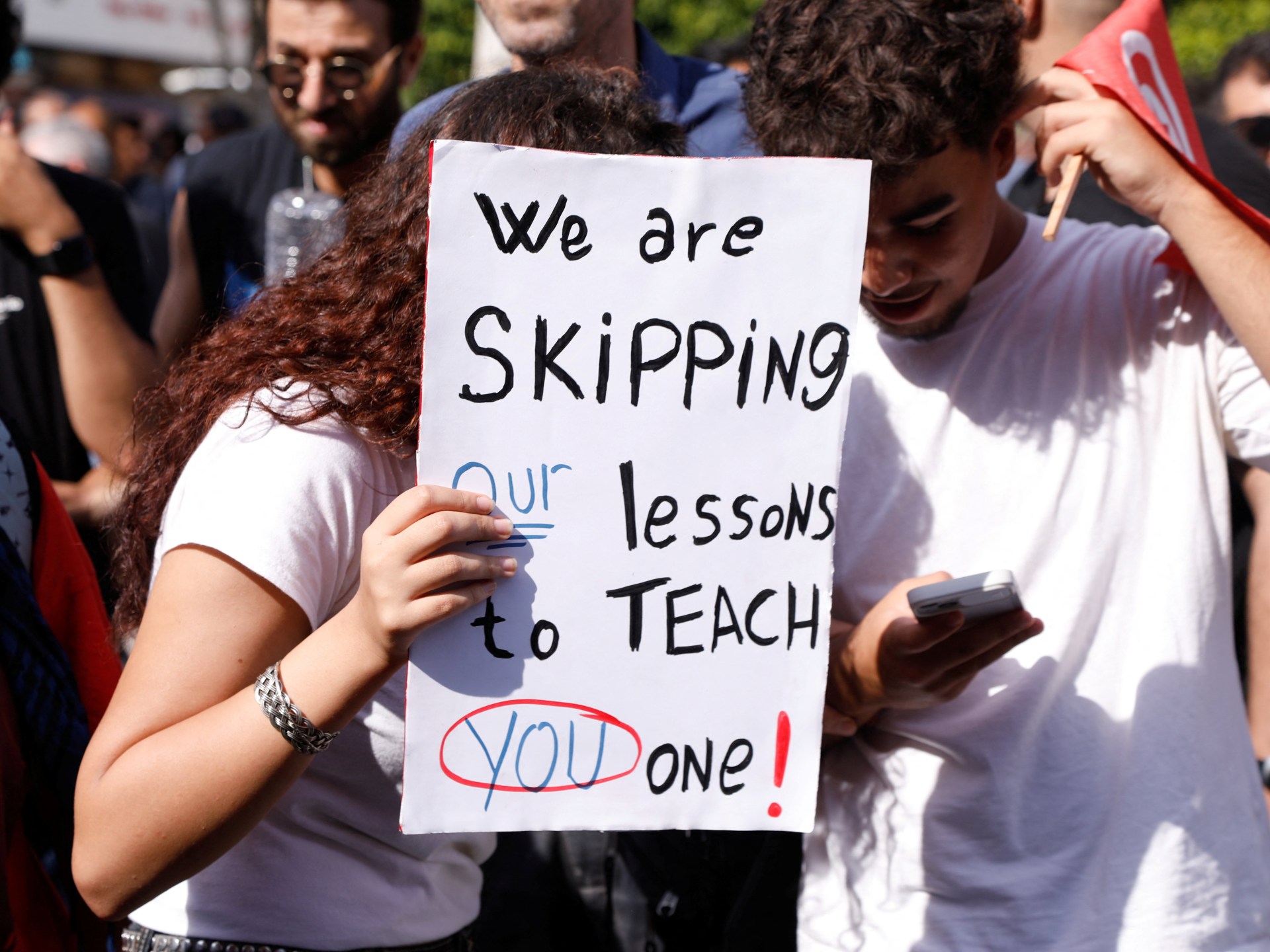
Central Tunis saw thousands of demonstrators flood Avenue Habib Bourguiba in the largest coordinated protest movement against President Kais Saied since his sweeping power consolidation in July 2021. Organised by a unified coalition of trade unions, civil society bodies, and fractured opposition groups—including the powerful Tunisian General Labour Union (UGTT) and the Salvation Front—the rallies mark a decisive escalation in domestic resistance. Protesters denounced acute shortages of basic staples, hyperinflation, and persistent crackdowns on political opponents, independent journalists, and civil activists.
Since dismantling the democratically elected parliament and replacing the post-Arab Spring constitution with a presidential system, President Saied has ruled largely by decree. His administration has justified sweeping executive measures as necessary to purge entrenched state corruption and stabilize governance. However, the domestic political landscape has grown increasingly fragile as targeted detentions of prominent opposition leaders and judiciary purges have drawn intensified international scrutiny. The convergence of labor groups and political dissidents represents a critical turning point, demonstrating that socioeconomic exhaustion has superseded previous factional divisions within the opposition.
Global Trade & Economic Ripples
Tunisia’s deepening internal crisis carries profound ramifications for regional commerce, commodity flows, and sovereign debt markets. The country remains mired in a severe fiscal bottleneck, marked by foreign reserve depletion, double-digit inflation, and significant sovereign debt maturities. An urgently required $1.9 billion International Monetary Fund (IMF) rescue package has been frozen for over a year due to President Saied's refusal to implement mandated structural reforms, including subsidies cuts on staple foods and energy, alongside the restructuring of loss-making state-owned enterprises.
The domestic standstill has severely disrupted North African procurement supply chains. Chronic fiscal deficits have constrained the state grain agency’s capacity to finance soft wheat imports, exacerbating shortages throughout the domestic milling industry. Furthermore, sovereign risk premiums on Tunisian Eurobonds have climbed sharply, signalling heightened investor wariness regarding potential sovereign default. Prolonged instability also jeopardizes foreign direct investment inflows into Tunisia's critical phosphate mining and textile manufacturing sectors, compounding existing cross-Mediterranean trade deficits.
Related Intelligence: Bangladesh Measles Crisis Signals Regional Supply Chain and Health Risks
International Reactions & Diplomatic Stances
International stakeholders have reacted to the escalating unrest with growing concern over regional stability. Officials from the European Union, Tunisia’s largest trading partner and key financial donor, reiterated calls for institutional pluralism, democratic accountability, and an inclusive national dialogue. Brussels faces a delicate diplomatic balance, having previously pursued bilateral migration management pacts with Tunis while attempting to uphold human rights benchmarks.
In Washington, State Department officials expressed persistent unease regarding the erosion of democratic institutions and the tightening constraints placed on freedom of assembly. Multilateral lenders and rating agencies have also cautioned that ongoing social volatility severely diminishes the likelihood of external debt restructuring agreements. Meanwhile, regional powers across North Africa and the Gulf remain cautious, hesitant to extend unilateral fiscal relief absent credible sovereign reform assurances.
Strategic Outlook & Future Scenarios
The trajectory of Tunisia’s political environment hinges on the administration's posture toward labor unions and the stalled international financial negotiations. If President Saied maintains a confrontational strategy against opposition leadership while refusing IMF conditions, Tunisia faces accelerated foreign exchange depletion and an intensified balance-of-payments crisis. Such economic deterioration would inevitably stimulate broader domestic unrest and trigger expanded outward migration flows across the Central Mediterranean.
Conversely, opening formal channels of dialogue with the UGTT and recalibrating structural economic reforms could revive multilateral credit lines, stabilizing short-term liquidity. However, given current political entrenchment, the immediate scenario points toward prolonged friction, potential general strikes by public sector unions, and sustained headwinds for Mediterranean supply chains and sovereign debt valuation.
Join Our Official WhatsApp Channel
Receive live commodity alerts, policy changes, and commercial intelligence directly on WhatsApp.