
World Food Programme Cuts Gaza Aid by One-Third Amid Funding Deficit
The UN World Food Programme will reduce food assistance in Gaza by approximately one-third due to acute funding deficits, leaving hundreds of thousands vulnerable amid escalating regional fragility.
Geopolitical & Core Developments
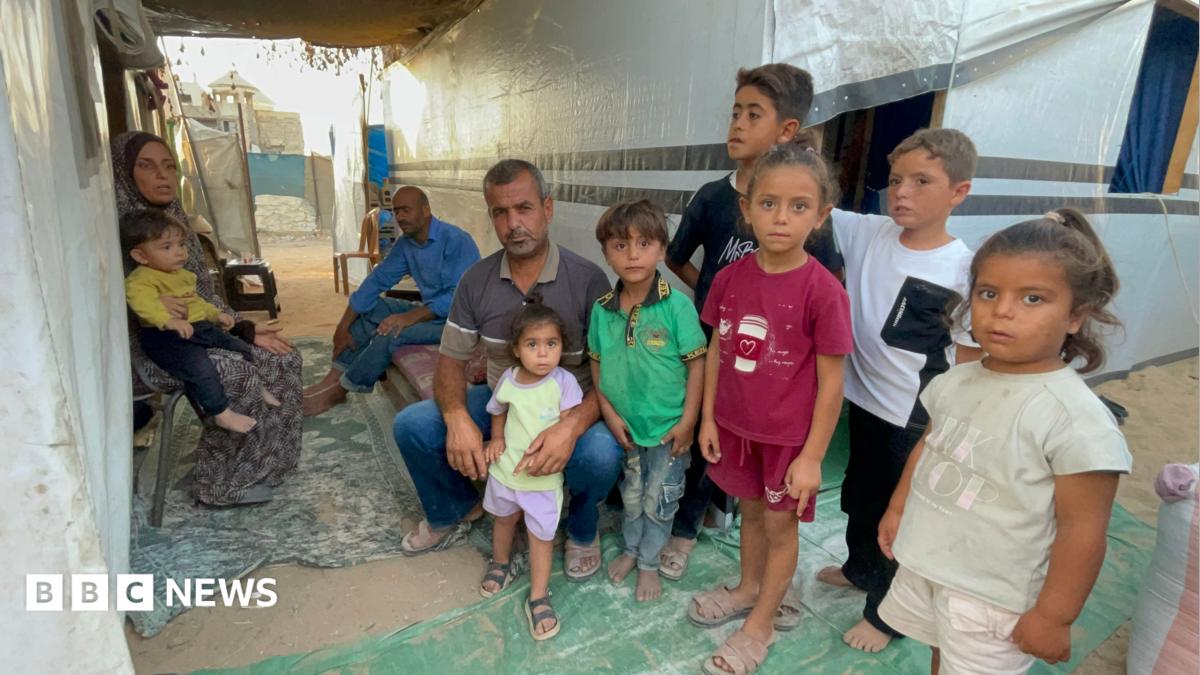
The United Nations World Food Programme (WFP) has announced a drastic reduction in its operations across the Gaza Strip, confirming that funding shortfalls will force the agency to cut the number of people receiving food aid by approximately one-third. Beneficiary numbers will contract from 1.6 million to 1.1 million individuals, stripping roughly 500,000 residents of essential nutritional support. This contraction comes at a perilous juncture for the Palestinian territory, which remains locked in deep socioeconomic isolation, high unemployment, and infrastructural paralysis.
The crisis stems from donor fatigue among key Western and Gulf contributors, compounded by simultaneous humanitarian emergencies in Ukraine, Sudan, and the Horn of Africa that have fragmented multilateral financial commitments. Senior diplomats note that operational access constraints, high logistical overheads, and protracted political gridlock between regional authorities and Israeli security apparatuses have further complicated the procurement and distribution matrix. The sudden deficit threatens to unravel what remains of Gaza's fragile social safety net, raising the risk of localized unrest and placing immense strain on secondary relief organizations that lack the supply capacity to bridge the gap.
Global Trade & Economic Ripples
While humanitarian in nature, the disruption in Gaza carries tangible economic consequences for regional supply chains and cross-border commercial arrangements. Cross-border freight flows through commercial and humanitarian crossings represent a major operational sector for logistics firms in Egypt and Israel. Any retrenchment in institutional procurement shifts demand onto localized informal markets, where scarcity invariably triggers severe price volatility in basic staples, including wheat flour, vegetable oils, and pulses.
Furthermore, heightened instability in the Eastern Mediterranean basin continues to pose risks to broader regional commerce. Heightened sovereign risk premiums across the Levant complicate commercial debt structuring, regional port operations, and cross-border freight insurance. When basic caloric stability breaks down in contested enclaves, the likelihood of security flare-ups escalates, directly impacting maritime navigation lines adjacent to the Suez Canal and inflating war-risk premiums for dry bulk carriers operating in regional waters.
Related Intelligence: Aviation Security Alert Diverts Tel Aviv Flight Amid Middle East Tensions
International Reactions & Diplomatic Stances
Multilateral bodies and humanitarian coordinators have expressed grave concern over the cuts. United Nations officials warned that halting assistance to vulnerable households will inevitably trigger acute malnutrition, especially among children and the elderly. WFP representatives underscored that the decision was driven entirely by balance-sheet realities rather than operational capacity, appealing directly to traditional donor states to release emergency funds.
European Union diplomatic sources acknowledged the gravity of the shortfall while highlighting broader structural deficits across the UN budget ecosystem. Regional capitals, including Cairo and Amman, cautioned that deteriorating humanitarian metrics in Gaza would undermine ongoing diplomatic normalization efforts and ceasefire talks. Market analysts tracking Middle Eastern sovereign credit profiles noted that sustained humanitarian stress frequently correlates with heightened geopolitical friction, depressing institutional foreign direct investment across neighboring emerging economies.
Strategic Outlook & Future Scenarios
Looking ahead, the humanitarian trajectory in Gaza hinges on whether emergency pledges materialize at upcoming donor conferences and UN General Assembly side-events. If major institutional donors fail to bridge the operational deficit, further rationalization of caloric rations and auxiliary cash-transfer schemes remains inevitable.
In the absence of a coordinated fiscal backstop, three scenarios dominate the strategic horizon. In the baseline scenario, partial emergency allocations from Gulf sovereigns will temporarily stabilize baseline grain shipments, preventing complete systemic collapse while keeping rations depressed. A downside scenario would see donor inertia trigger widespread civil protests and friction along border perimeters, drawing cross-border security responses that disrupt regional trade lanes. Conversely, an upside scenario involves an expanded multilateral initiative linking humanitarian financing to broader economic stabilization frameworks, though such an outcome requires significant diplomatic realignment that remains elusive in the current geopolitical climate.
Join Our Official WhatsApp Channel
Receive live commodity alerts, policy changes, and commercial intelligence directly on WhatsApp.