
Trump-Xi Summit: The Strategic Silence Echoing Across Global Markets
The Trump-Xi Washington summit's most significant outcome was its deliberate omissions, leaving global trade and geopolitical stability hanging in strategic ambiguity.
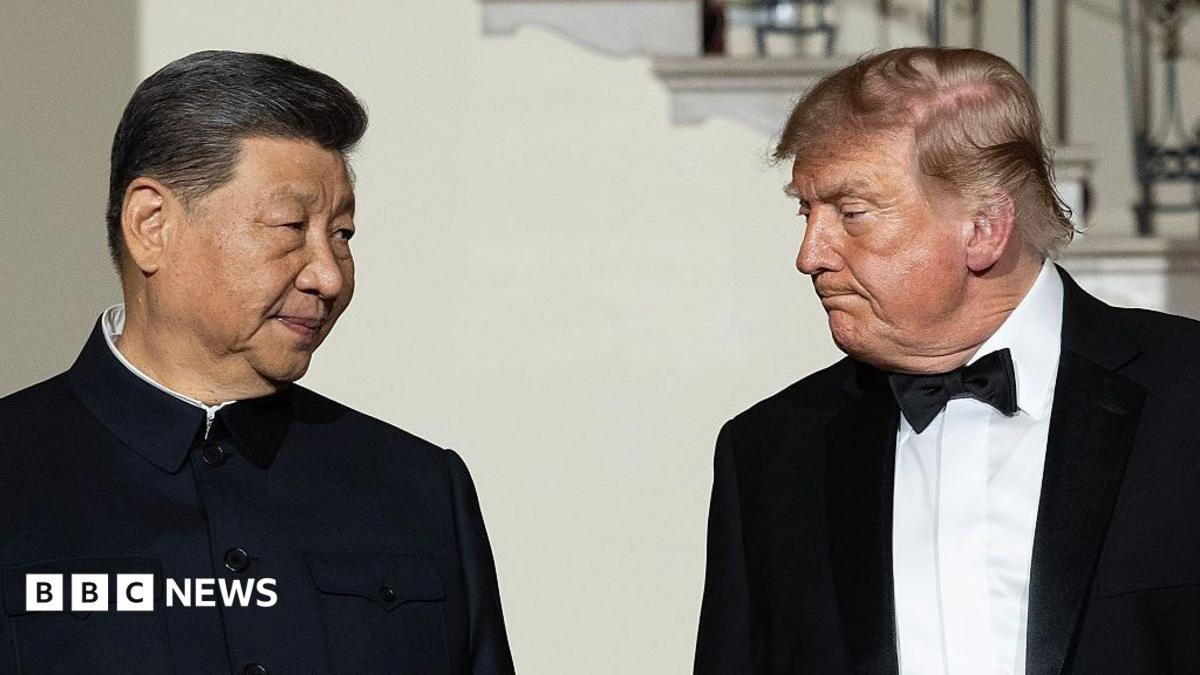
Geopolitical & Core Developments
The recent high-stakes summit between United States President Donald Trump and Chinese President Xi Jinping in Washington was ostensibly designed to stabilize fraught bilateral relations between the world's two largest superpowers. However, veteran diplomatic observers and international affairs analysts quickly noted that the most revealing aspect of the encounter was not found in the carefully scripted joint declarations, but rather in the conspicuous silences that dominated the proceedings. Critical flashpoints, including the long-term status of Taiwan, specific enforcement mechanisms for intellectual property protection, and the rollback of legacy semiconductor restrictions, were notably absent from the official readouts. This calculated diplomatic ambiguity suggests both administrations are kicking complex, structural disagreements down the road while prioritizing domestic political optics. State actors across the globe are now left to decode whether this absence of dialogue represents a tactical cooling-off period or a precursor to intensified strategic rivalry.
Global Trade & Economic Ripples
For international commodity markets, shipping lines, and global supply chains, the lack of concrete deliverables from the Washington summit injects a persistent premium of uncertainty. Global energy markets, industrial metals, and agricultural futures reacted with muted volatility as traders processed the absence of definitive tariff relief or clear regulatory frameworks. Multinational corporations that spent the past several years aggressively diversifying their manufacturing footprints away from mainland China find themselves validated by the summit's omissions. Supply chain architects are continuing their 'China Plus One' strategies, moving operations into Southeast Asia, India, and Latin America to hedge against sudden trade policy shifts. Furthermore, shipping lanes in the South China Sea and major container hubs remain shadowed by the lingering risk of asymmetric trade retaliations, keeping freight insurance rates elevated and logistics planning complex.
Related Intelligence: Twin Cities Rain Sparks High Alert and Supply Chain Disruptions
International Reactions & Diplomatic Stances
Multilateral institutions and allied capitals have responded to the Washington summit with cautious vigilance. The United Nations and international financial bodies issued statements emphasizing the indispensable nature of stable US-China trade relations for global macroeconomic growth. European Union trade officials privately expressed relief that no impulsive, destabilizing tariff hikes were announced on the summit's sidelines, yet they remain deeply concerned by the bilateral nature of discussions that bypass WTO frameworks. Market analysts from major investment banks have downgraded their expectations for near-term trade normalization, advising institutional clients to prepare for a protracted era of managed technological decoupling and defensive economic policies. Foreign exchange desks are monitoring central bank reserves and currency values closely, anticipating speculative pressures on both the US dollar and the Chinese yuan as trade rhetoric evolves.
Strategic Outlook & Future Scenarios
Looking ahead, the trajectory of US-China relations hinges on upcoming multilateral summits, domestic economic pressures, and potential geopolitical escalation points. Analysts project that while both leaders have an incentive to prevent an outright trade war in the immediate term, structural contradictions between the American security-first industrial policy and China's state-directed export-driven model remain irreconcilable through conventional diplomacy alone. Upcoming ministerial-level talks will serve as the true litmus test for whether the silence at the Washington summit was a prelude to meaningful sectoral negotiations or merely the calm before a renewed wave of sanctions, export controls, and technological barriers. Global enterprises must build operational resilience assuming that strategic competition will remain the baseline operating environment for the foreseeable future.
Join Our Official WhatsApp Channel
Receive live commodity alerts, policy changes, and commercial intelligence directly on WhatsApp.