
Twin Cities Rain Sparks High Alert and Supply Chain Disruptions
Heavy monsoon rains lashed Islamabad and Rawalpindi, prompting emergency alerts and disrupting regional supply chains and retail markets across the twin cities.
The Core Development
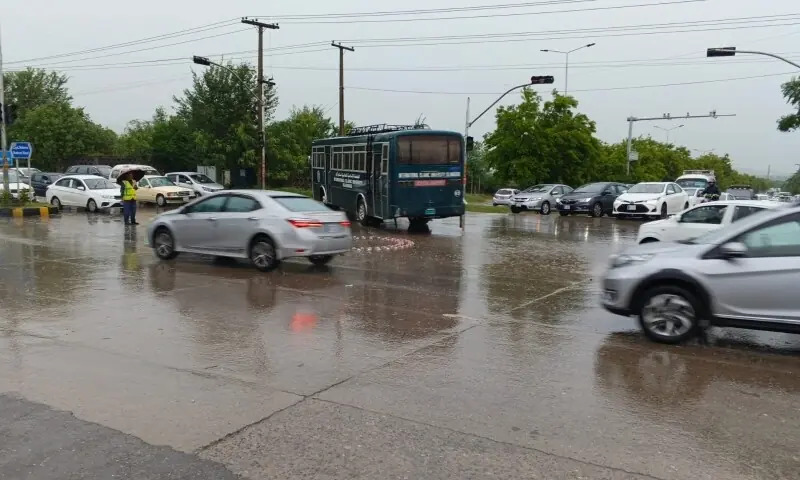
A fresh and intense spell of monsoon precipitation struck the Islamabad-Rawalpindi twin cities early Monday morning, inundating major thoroughfares and prompting municipal authorities to declare a high-alert status across vulnerable urban zones. According to data released by the Pakistan Meteorological Department (PMD), precipitation levels varied significantly across neighborhoods, testing the structural resilience of local municipal infrastructure.
Saidpur village in the federal capital registered the highest downpour at 33mm, followed closely by Shamsabad in Rawalpindi at 29mm. Other notable recordings included 28mm in Pirwadhai, 27mm in Gawalmandi, 25mm in Golra near E-11, 23mm in H-8, and 22mm in I-12. The concentrated bursts of water overwhelmed traditional drainage networks within hours, causing localized urban flooding in low-lying commercial sectors and residential districts. In response to the weather advisory, the Rawalpindi Commissioner’s office mobilized civic departments, dispatching emergency response teams equipped with heavy machinery to clear choked drains and manage traffic flow at critical bottlenecks.
Commercial & Economic Implications
The sudden meteorological event has triggered immediate ripple effects across the commercial ecosystem of the twin cities, particularly impacting wholesale distribution networks and retail trading posts. Pirwadhai and Gawalmandi, housing some of the region's largest transport terminals and wholesale grain and produce markets, experienced severe logistical bottlenecks as rainwater pooled around loading bays and access roads.
Transport operators reported temporary halts in inter-city freight movement, delaying the dispatch of essential commodities, fresh produce, and manufactured goods to surrounding districts. Economists note that while short-term weather disruptions are standard seasonal occurrences, repeated inundations in commercial districts directly inflate operational costs for small and medium enterprises. Spoiled inventory, delayed deliveries, and heightened transportation overheads typically translate into localized price volatility for perishable foodstuffs, adding marginal upward pressure on consumer price indices in the garrison city and federal capital.
Related Intelligence: Ireland-Israel UEFA Match Sparks Geopolitical and Commercial Fallout
Stakeholder Perspectives & Market Reactions
Trader associations and commercial bodies have voiced growing frustration over recurring urban flooding during routine downpours, attributing the economic losses to persistent infrastructural deficiencies and delayed municipal maintenance. Representatives from the Rawalpindi Chamber of Commerce and Industry emphasized that choked drainage channels near commercial markets require year-round desilting rather than reactive emergency interventions.
"Every time heavy rain hits, our members face inventory damage and inaccessible storefronts," stated a prominent local trader representative. "The administration acts swiftly once the alert is sounded, but long-term commercial resilience demands structural drainage overhaul." Meanwhile, municipal authorities defended their proactive stance, citing the rapid deployment of de-watering pumps and personnel as a critical measure that prevented far more extensive property damage across commercial avenues.
Forward Outlook & Key Watchpoints
As the Pakistan Meteorological Department forecasts potential additional spells of rain over the coming days, businesses and municipal planners remain on high alert. The immediate priority for city administrators centers on maintaining uninterrupted arterial traffic and ensuring that wholesale hubs in Pirwadhai and Gawalmandi remain operational.
Key watchpoints for investors and business operators include the pace of municipal drainage clearance, updates on secondary weather advisories from the PMD, and potential adjustments in logistics tariffs. Long-term policy enforcement will depend on whether local governments can accelerate stalled urban drainage mega-projects to safeguard the region's commercial corridors from future seasonal shocks.
Join Our Official WhatsApp Channel
Receive live commodity alerts, policy changes, and commercial intelligence directly on WhatsApp.