
Russian Aerial Barrage Escalates Conflict as Commodity Markets Brace for Shock
A massive week-long Russian aerial assault across Ukraine kills eight and injures dozens, triggering renewed volatility in global commodity and energy markets.
Geopolitical & Core Developments
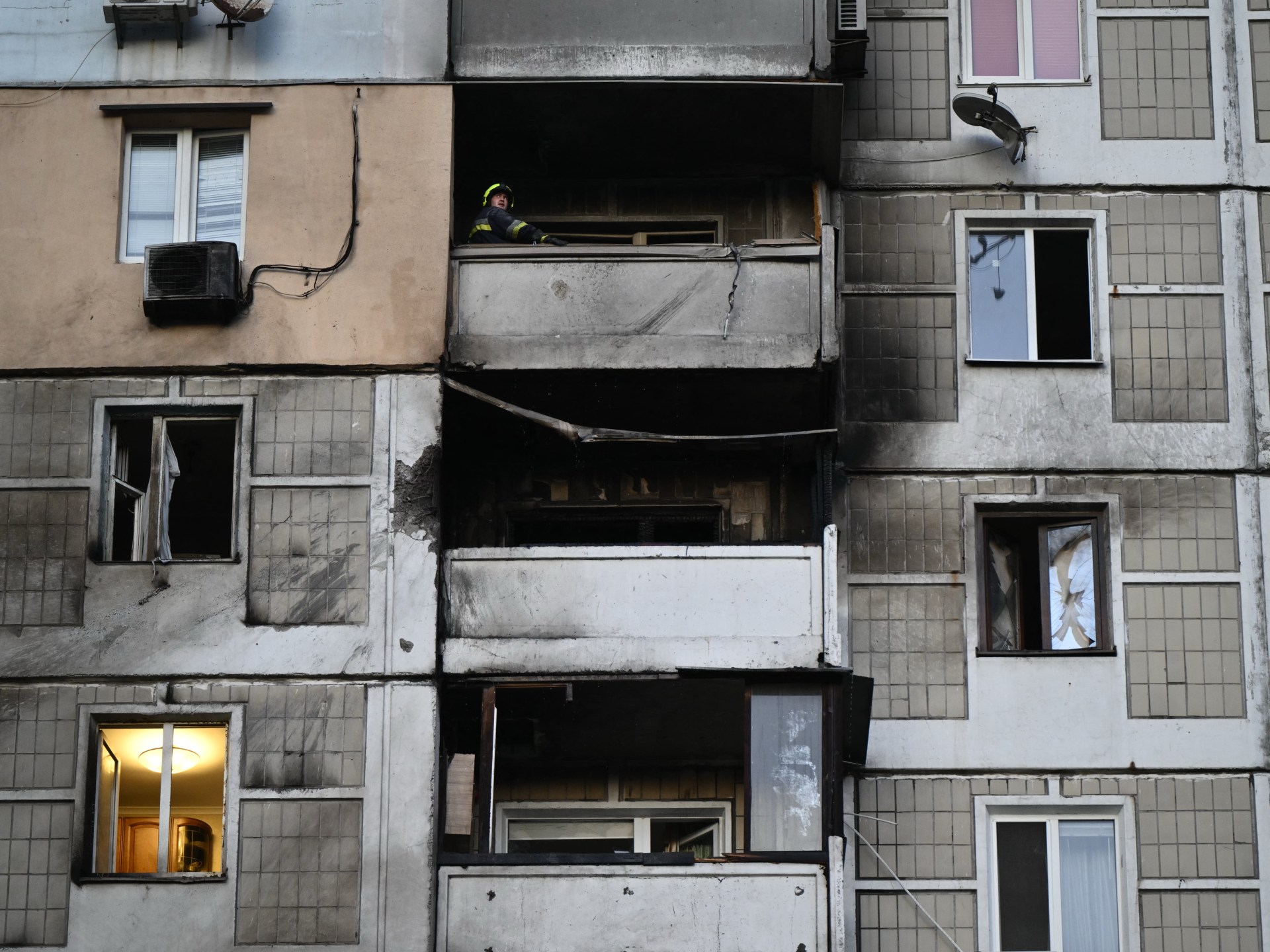
In a dramatic escalation of the protracted conflict, Russian forces unleashed a relentless wave of nearly 4,000 drones, guided aerial bombs, and missiles targeting multiple population centers and critical infrastructure across Ukraine over the past week. Ukrainian President Volodymyr Zelenskyy confirmed the staggering scale of the bombardment, noting that the coordinated onslaught struck civilian areas and key municipal utilities, resulting in at least eight confirmed fatalities and dozens of severe injuries. Emergency response teams have been operating under extreme duress across several regions, struggling to contain widespread fires and restore essential heating, water, and electricity to communities facing sub-zero temperatures.
The strategic timing and intensity of this aerial campaign underscore a deliberate shift by Moscow toward systematic degradation of Ukraine's domestic resilience. Military analysts suggest the barrage is designed to deplete advanced Western-supplied air defense interceptors, which have successfully mitigated previous winter campaigns. As air raid sirens wail daily across Kyiv, Odesa, and Kharkiv, the conflict enters a perilous new phase characterized by high-volume saturation strikes aimed at breaking the morale of the civilian populace and crippling administrative centers.
Global Trade & Economic Ripples
The intensification of aerial bombardments carries immediate and severe implications for global supply chains, international commodity pricing, and regional shipping lanes. Ukraine remains a foundational pillar of global food security, acting as a primary exporter of wheat, corn, and sunflower oil to markets in Europe, North Africa, and the Middle East. Repeated targeting of transport infrastructure and port facilities along the Black Sea corridor and the Danube River threatens to reignite grain price volatility and disrupt maritime logistics.
Concurrently, the persistent targeting of Ukraine's energy grid reverberates through European gas and power markets. Although European Union storage facilities remain relatively robust, heightened geopolitical risk premiums have triggered upward pressure on wholesale natural gas prices. Industrial consumers across the continent are closely monitoring the stability of regional energy networks, as any prolonged disruption to transit pipelines or domestic generation capacity risks stalling fragile economic recovery in the eurozone and driving up production costs for energy-intensive manufacturing.
Related Intelligence: World News Day Boss Warns Media Relevance is Vital for Global Stability
International Reactions & Diplomatic Stances
The international community has responded to the latest wave of strikes with sharp condemnation and renewed pledges of support for Kyiv. Officials at the United Nations reiterated that attacks directed against civilian infrastructure violate international humanitarian law and compound an already catastrophic humanitarian crisis. Multilateral bodies and Western governments are currently deliberating on expedited packages of advanced air defense systems and ammunition to help plug vulnerabilities exposed by the recent high-volume attacks.
Market analysts and geopolitical risk consultancies note that Western capitals are under mounting pressure to tighten enforcement of existing sanctions on dual-use technologies that enable Russian drone and missile manufacturing. Meanwhile, diplomatic efforts spearheaded by neutral intermediaries have yielded little progress, as both Moscow and Kyiv remain entrenched in maximalist positions regarding territorial sovereignty and long-term security guarantees.
Strategic Outlook & Future Scenarios
Looking ahead, the trajectory of the conflict points toward a protracted war of attrition defined by technological adaptation and aerial dominance. As winter conditions peak, energy infrastructure will remain a primary battleground, dictating the broader economic and political stability of the region. Upcoming international summits, including forthcoming G7 discussions and NATO ministerial meetings, are expected to focus heavily on securing sustainable financial and military lifelines for Ukraine.
Investors and commodity traders must prepare for sustained market turbulence. The risk of sudden supply shocks across agricultural, energy, and metals sectors remains elevated, necessitating dynamic risk-management strategies. Until a viable diplomatic framework emerges to de-escalate hostilities, global markets will continue to price in the persistent geopolitical premium generated by the ongoing war in Eastern Europe.
Join Our Official WhatsApp Channel
Receive live commodity alerts, policy changes, and commercial intelligence directly on WhatsApp.