
US and China Unveil Tariff Cuts Following Landmark Trump-Xi Summit
Washington and Beijing have released synchronized lists detailing tariff reductions on sixty billion dollars in bilateral trade following the recent Trump-Xi summit.
Geopolitical & Core Developments
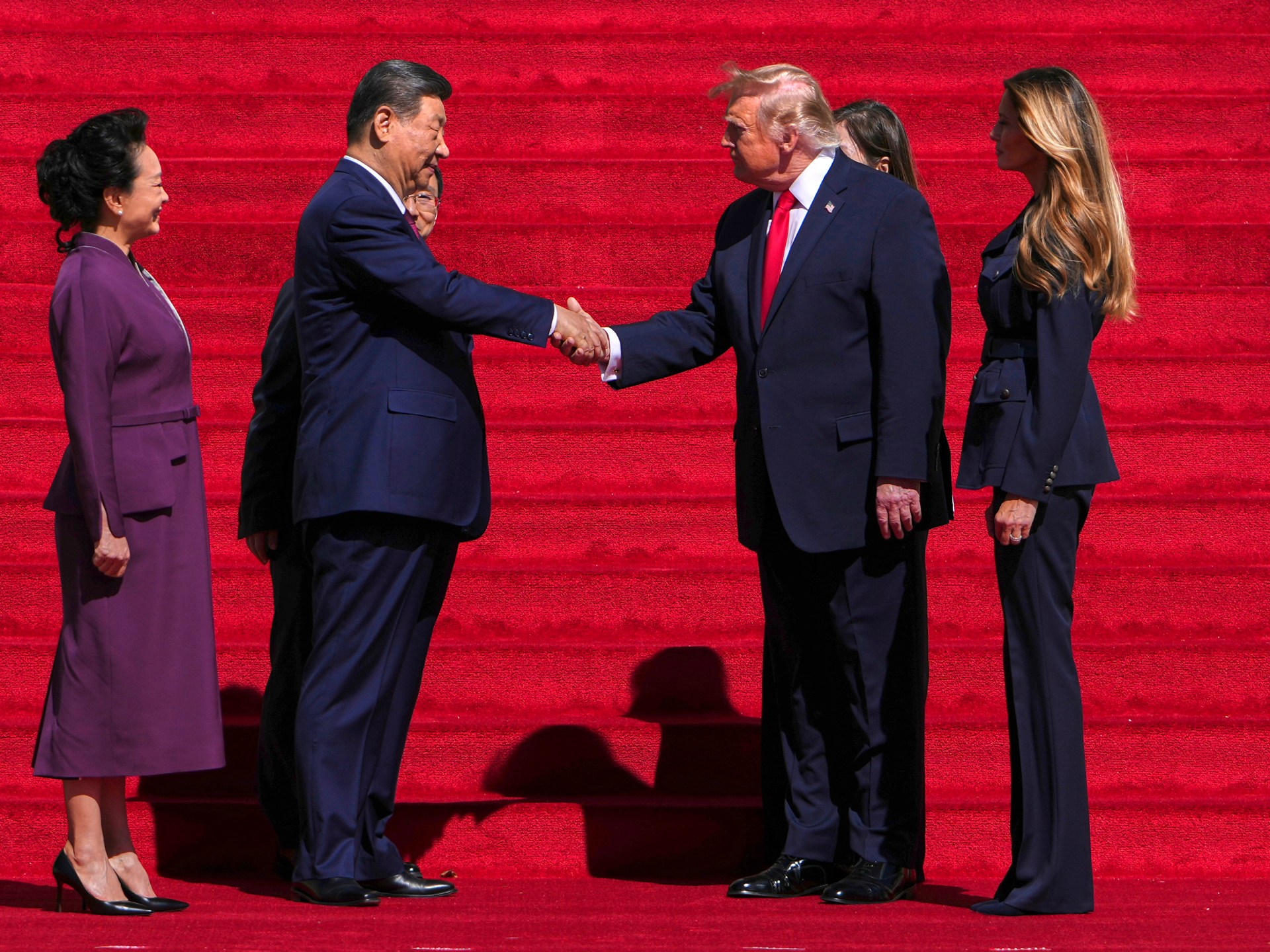
In a significant diplomatic breakthrough following the high-stakes summit between US leadership and Chinese counterparts, Washington and Beijing have officially published synchronized lists of goods recommended for tariff reductions. The accord targets approximately sixty billion dollars in bilateral trade, marking a pivotal pivot from years of escalatory protectionist policies toward structured de-escalation. State actors on both sides have engaged in intensive behind-the-scenes negotiations to establish enforcement mechanisms and phased implementation timelines. This agreement demonstrates a calculated willingness by both economic superpowers to stabilize geopolitical friction points that have long rattled international diplomatic channels and shaken confidence across global governance frameworks.
Global Trade & Economic Ripples
The announcement has sent immediate shockwaves of cautious optimism through global commodity markets, international supply chains, and foreign exchange desks. With sixty billion dollars in commerce slated for tariff relief, industrial metals, agricultural staples, and key manufactured inputs are experiencing downward pricing pressure as transaction costs recede. International shipping lanes, which have faced prolonged volatility and re-routing strategies due to previous trade barriers, anticipate a resurgence in trans-Pacific container volumes. Currency values, particularly the US dollar and the Chinese yuan, have stabilized as traders re-evaluate macroeconomic risk premiums associated with the world's two largest economies. Commercial entities are actively recalibrating their long-term supply chain footprints to capitalize on the newly opened trade corridors.
Related Intelligence: Russian Aerial Barrage Escalates Conflict as Commodity Markets Brace for Shock
International Reactions & Diplomatic Stances
Multilateral institutions, including the World Trade Organization and international financial bodies, have welcomed the bilateral thaw, viewing it as a critical step toward reviving multilateral trade rules. Official statements from allied governments in Europe and Asia reflect relief, though officials remain vigilant regarding the long-term durability of the pact. Market analysts and trade economists have noted that while the reduction covers a substantial volume of goods, structural issues regarding intellectual property, technology transfers, and state subsidies remain unaddressed. Financial institutions emphasize that while immediate commercial sentiment is bullish, sustained implementation and verified compliance will be the true test of this diplomatic detente.
Strategic Outlook & Future Scenarios
Looking ahead, the trajectory of US-China commercial relations will depend heavily on upcoming diplomatic summits and working-level bilateral committees tasked with monitoring the tariff rollbacks. Geopolitical strategists warn that secondary sanction risks, technological competition in artificial intelligence and semiconductor manufacturing, and regional security flashpoints remain active escalation vectors. Should the current tariff-reduction framework prove successful, it could pave the way for subsequent negotiations on broader market access and investment treaties. However, any domestic political pressures or compliance breaches in either Washington or Beijing could quickly derail the fragile consensus, returning both nations to a state of heightened economic confrontation.
Join Our Official WhatsApp Channel
Receive live commodity alerts, policy changes, and commercial intelligence directly on WhatsApp.