
Malaysia Begins Repatriation of Asylum Seekers to Myanmar Amid Global Alarm
Malaysia has commenced the controversial repatriation of thousands of asylum seekers to conflict-torn Myanmar, drawing severe international condemnation and deepening regional human rights anxieties.
Geopolitical & Core Developments
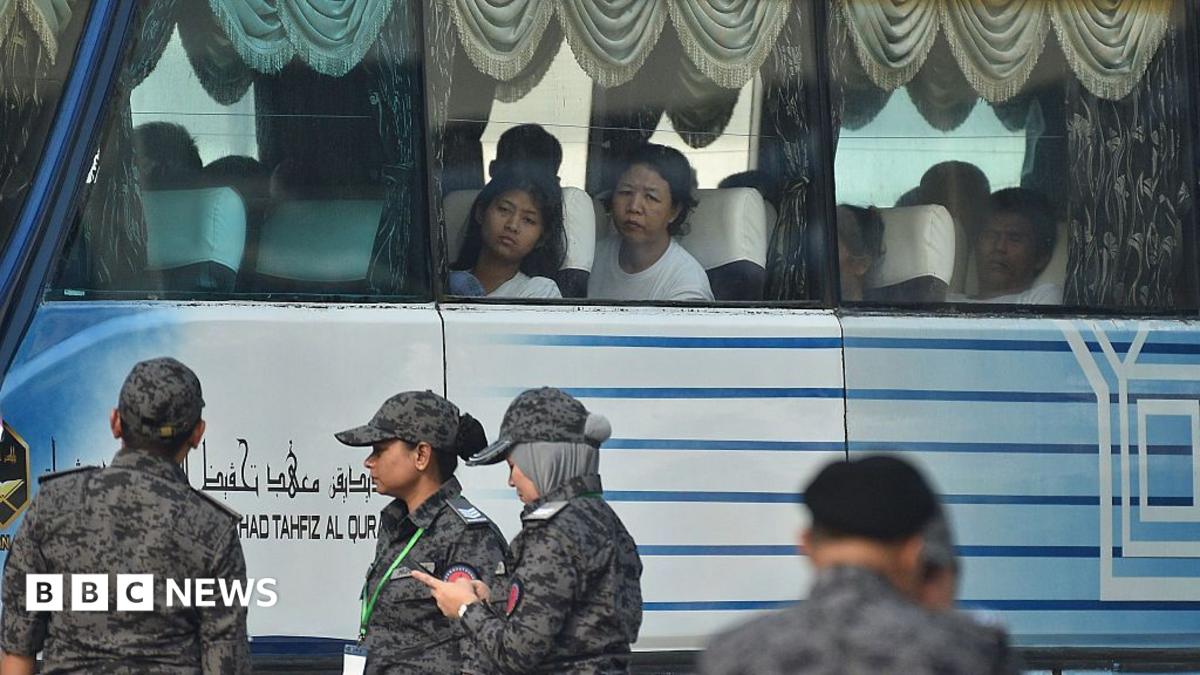
Malaysia has initiated a controversial program to repatriate approximately 5,000 Myanmar nationals back to their home country, a decision that has triggered immediate alarms across the international community. The deportations target individuals caught within Malaysia's immigration enforcement sweeps, returning them to a nation currently gripped by a brutal civil war following the February 2021 military coup. State actors in Kuala Lumpur have defended the administrative measure as a routine enforcement of immigration laws designed to manage undocumented populations. However, the timing and execution of these transfers highlight a stark friction between national sovereignty assertions and humanitarian obligations.
The strategic stakes for Myanmar's ruling junta involve bolstering domestic legitimacy and replenishing dwindling manpower through forced conscription laws enacted by the military regime. By accepting returned nationals, the junta effectively reasserts administrative control over diaspora populations, while human rights organizations emphasize that returnees are thrust directly into an active combat zone. The systemic breakdown of rule of law in Myanmar transforms these deportations from administrative procedures into profound human rights violations, challenging the foundational norms established by regional bodies regarding the protection of displaced persons.
Global Trade & Economic Ripples
While the repatriation process is primarily a humanitarian and geopolitical flashpoint, it carries underlying economic and commercial implications for Southeast Asian supply chains and labor markets. Malaysia relies heavily on migrant labor across key sectors, including manufacturing, agriculture, and construction. Indiscriminate crackdowns and forced returns create volatility in workforce stability, affecting production metrics in export-oriented industries. Investors monitor these regulatory shifts closely, as tightening immigration policies and regional instability contribute to labor shortages and rising operational costs.
Furthermore, the ongoing instability in Myanmar continues to disrupt vital regional trade corridors, energy projects, and commodity flows across the Mekong subregion. International sanctions targeting the Myanmar military junta have already altered maritime shipping risk profiles and financial transactions in the Andaman Sea. As regional security deteriorates due to forced conscription and escalating civil conflict, foreign direct investment across mainland Southeast Asia faces heightened risk premiums, influencing currency valuations and investor sentiment in emerging market economies.
Related Intelligence: West Bank Closures Disrupt Regional Trade and Humanitarian Stability
International Reactions & Diplomatic Stances
The United Nations High Commissioner for Refugees (UNHCR) and numerous international human rights organizations have strongly condemned Kuala Lumpur's deportation actions, asserting they violate the customary international law principle of non-refoulement, which forbids returning asylum seekers to territories where their lives or freedoms are threatened. Western governments have expressed deep concern, urging Malaysian authorities to halt the transfers and grant international monitors access to detained populations.
In contrast, responses from neighboring Association of Southeast Asian Nations (ASEAN) member states remain muted, reflecting the bloc's traditional adherence to the principle of non-interference in internal affairs. This diplomatic paralysis underscores ASEAN's ongoing struggle to forge a cohesive policy response to the Myanmar crisis. Market analysts note that while Western diplomatic rebuke is sharp, it is unlikely to alter Malaysia's immediate domestic security calculations, though it risks straining bilateral trade and diplomatic dialogues with key Western partners.
Strategic Outlook & Future Scenarios
Looking ahead, the trajectory of Malaysia's deportation policy will likely depend on domestic political pressures within Kuala Lumpur and the intensity of international diplomatic engagement. Upcoming regional summits will provide critical testing grounds for ASEAN's credibility in managing refugee flows and internal state violence. Escalating geopolitical tensions could lead to targeted diplomatic reprimands or indirect economic pressures from Western trade partners.
As Myanmar's civil war intensifies, the risk of expanded refugee outflows across maritime and land borders remains high, threatening broader regional destabilization. Commercial stakeholders and multinational corporations operating within the ASEAN economic community must factor growing political risk, regulatory unpredictability, and humanitarian instability into their long-term operational and supply chain strategies.
Join Our Official WhatsApp Channel
Receive live commodity alerts, policy changes, and commercial intelligence directly on WhatsApp.