
Karachi Faces Major Disruptions As Jamaat-e-Islami Launches Petroleum Levy Protests
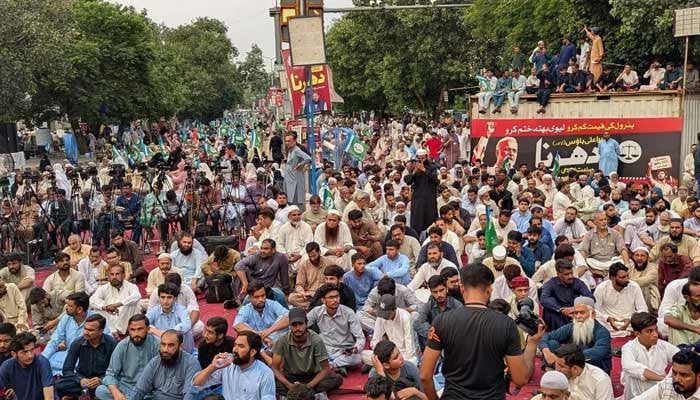
Jamaat-e-Islami is setting up over 25 protest camps across Karachi to challenge soaring petroleum levies, escalating economic pressures on citizens and businesses alike.
The Core Development
Jamaat-e-Islami (JI), one of Pakistan's prominent political and social organizations, has announced a sweeping mobilization across Karachi, Pakistan's primary financial hub. Starting tomorrow, the party will establish more than 25 strategic protest camps at major intersections, commercial centers, and transit arteries throughout the metropolis. This coordinated agitation forms the cornerstone of JI's escalated campaign against the federal government's recent imposition of heavy petroleum levies and recurring fuel price hikes. The demonstrations are slated to involve blockades, public rallies, and speeches by senior party leadership, directly challenging Islamabad's fiscal consolidation measures mandated under international lending programs.
Commercial & Economic Implications
The timing of these widespread protests poses profound challenges for Karachi's fragile commercial ecosystem. Retail trade, wholesale distribution networks, and daily supply chains are expected to experience severe bottlenecks as major thoroughfares face intermittent shutdowns. The cumulative effect of elevated petroleum levies has already cascaded down to transport tariffs, raw material carriage costs, and manufacturing overheads. For businesses operating in Pakistan's most industrialized city, higher logistics expenses compress already thin margins, ultimately fueling broader consumer price inflation. Retailers fear that prolonged street agitation will dampen consumer footfall during a crucial trading period, compounding existing economic distress for small and medium enterprises.
Related Intelligence: Dual Pacific Hurricanes Threaten Mexican Energy Infrastructure and Global Supply Chains
Stakeholder Perspectives & Market Reactions
Business councils, transport associations, and retail syndicates have expressed grave concern over the escalating confrontation between political factions and economic policymakers. While trade bodies express sympathy with public outrage against punishing fuel taxes, they have simultaneously appealed to protest organizers to minimize disruptions to commercial traffic. Representatives from the Karachi Chamber of Commerce and Industry have repeatedly warned that constant taxation on energy inputs erodes industrial competitiveness. Meanwhile, federal representatives defend the petroleum levy adjustments as a vital fiscal prerequisite to stabilize national macroeconomic indicators and meet foreign debt servicing obligations.
Forward Outlook & Key Watchpoints
As Karachi braces for widespread demonstrations, key economic stakeholders and law enforcement agencies will closely monitor the scale and duration of the JI campaign. If the protests gain sustained momentum, pressure may mount on federal authorities to consider targeted relief measures or engage in dialogue with opposition groups. Analysts advise investors and commercial operators to track transport schedules, monitor potential localized shutdowns, and prepare contingency plans for supply chain adjustments over the coming weeks.
Join Our Official WhatsApp Channel
Receive live commodity alerts, policy changes, and commercial intelligence directly on WhatsApp.