
Diplomatic Tensions Flare as France and Turkiye Clash in UEFA Showdown
France and Turkiye face off in a high-profile UEFA Nations League fixture, reflecting broader geopolitical competition and diplomatic friction between Paris and Ankara across Mediterranean and European arenas.
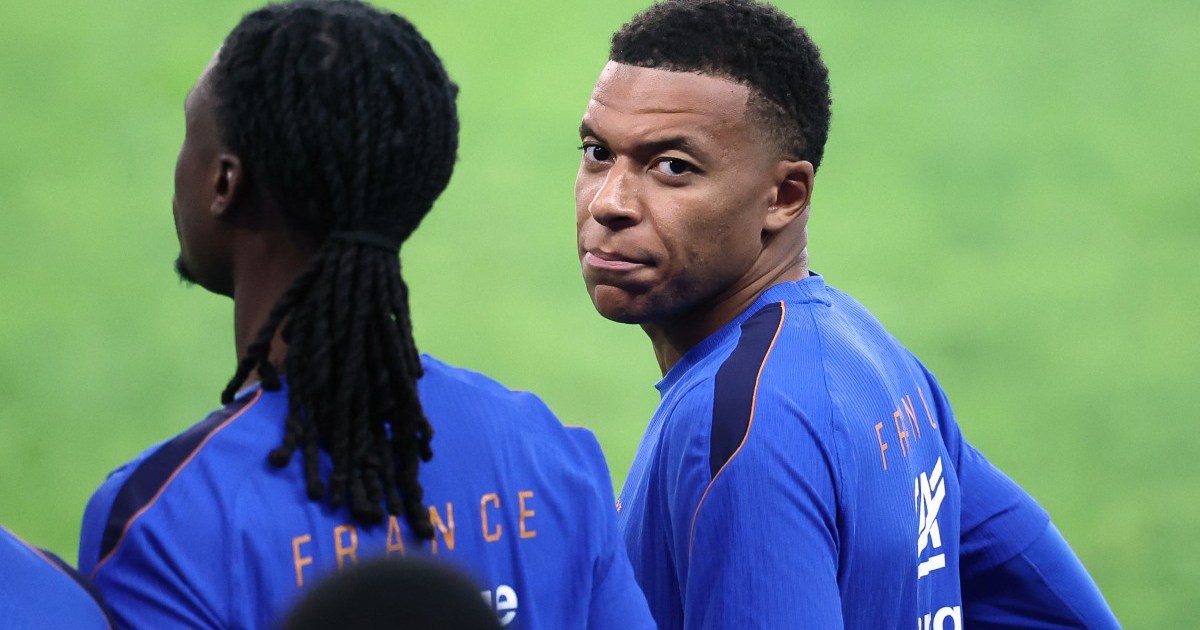
Geopolitical & Core Developments
The upcoming UEFA Nations League fixture between Turkiye and France transcends traditional athletic competition, serving as a high-visibility arena where ongoing geopolitical rivalries between Paris and Ankara find a proxy stage. Over the past decade, bilateral relations have been strained by competing strategic ambitions in the Eastern Mediterranean, diverging policies regarding North African security architectures, and competing visions for European security autonomy. French President Emmanuel Macron and Turkish leadership have frequently clashed on diplomatic fronts, ranging from maritime jurisdiction disputes to regional stabilization efforts in the Middle East. While sports diplomacy traditionally offers a platform for détente, the charged political climate surrounding this encounter underscores the deep-seated diplomatic friction that continues to define Franco-Turkish relations.
State actors across European capitals are monitoring the security and diplomatic management of the event closely. The match arrives at a critical juncture when both nations are recalibrating their foreign policy stances within NATO and broader European frameworks. Ankara continues to leverage its strategic geography and defense manufacturing sector to project regional influence, while Paris champions European strategic sovereignty and rigorous enforcement of regional maritime norms. The convergence of these competing state strategies creates an environment where even cultural and athletic exchanges become imbued with geopolitical significance.
Global Trade & Economic Ripples
While sporting events operate primarily within the entertainment sector, high-profile diplomatic tensions between major regional powers invariably cast ripples across commercial and economic corridors. Turkiye and France maintain substantial bilateral trade volumes, encompassing automotive manufacturing, aerospace components, defense technology, and agricultural commodities. Lingering political uncertainty can introduce friction into long-term commercial agreements and foreign direct investment flows between the two economies. Financial markets and multinational corporations closely evaluate any deterioration in state-to-state relations, as supply chains connecting European industrial hubs with Turkish manufacturing centers rely heavily on stable regulatory cooperation and predictable diplomatic channels.
Furthermore, broader commodity markets and energy supply corridors traversing the Eastern Mediterranean remain sensitive to shifts in geopolitical alignment. Turkiye's pivotal role as an energy transit hub for European markets intersects directly with French corporate interests in regional hydrocarbon exploration and renewable energy infrastructure. Although immediate economic fallout from a football match remains negligible, the broader backdrop of bilateral posturing influences investor confidence and commercial risk assessments across the Euro-Mediterranean trade zone.
Related Intelligence: Trump-Xi Summit Exposes Strategic U.S. Disadvantage Across the Global South
International Reactions & Diplomatic Stances
Multilateral organizations and regional bodies have emphasized the importance of maintaining constructive dialogue and sportsmanship amidst broader geopolitical disagreements. Officials within the Union of European Football Associations have implemented rigorous security protocols, working in tandem with French law enforcement and Turkish consular representatives to ensure fan safety and prevent political demonstrations from overshadowing the athletic competition. European Union monitors have underscored that robust people-to-people exchanges and cultural engagements remain vital for maintaining open communication channels during periods of interstate tension.
Market analysts and geopolitical risk consultancies note that international reactions reflect a cautious approach toward Mediterranean security. While diplomatic channels between Paris and Ankara remain open via multilateral frameworks such as NATO, allied capitals continuously urge restraint to prevent localized political disputes from escalating into wider economic or diplomatic friction. The international community views such high-profile encounters as litmus tests for the resilience of bilateral channels amidst complex geopolitical realignments.
Strategic Outlook & Future Scenarios
Looking ahead, the trajectory of Franco-Turkish relations will depend heavily on upcoming diplomatic summits, defense coordination meetings within NATO, and ongoing negotiations regarding Mediterranean maritime security. As both nations navigate complex economic headwinds and shifting global power dynamics, finding cooperative frameworks for regional stability remains imperative. Future scenarios range from continued diplomatic competition punctuated by strategic cooperation on counter-terrorism and trade, to renewed friction points should regional disputes in the Eastern Mediterranean resurface.
Policymakers in both Paris and Ankara recognize the necessity of insulating commercial ties, energy corridors, and cultural exchanges from political volatility. As upcoming international summits approach, the ability of French and Turkish leadership to manage bilateral disagreements constructively will set the tone for broader Euro-Mediterranean security and economic integration.
Join Our Official WhatsApp Channel
Receive live commodity alerts, policy changes, and commercial intelligence directly on WhatsApp.