
German Student Strikes Spark Debate Over Conscription and European Defense
Nationwide student strikes across Germany challenge new military service laws amid fears of returning to mandatory conscription, threatening Berlin's defense strategy and economic stability.
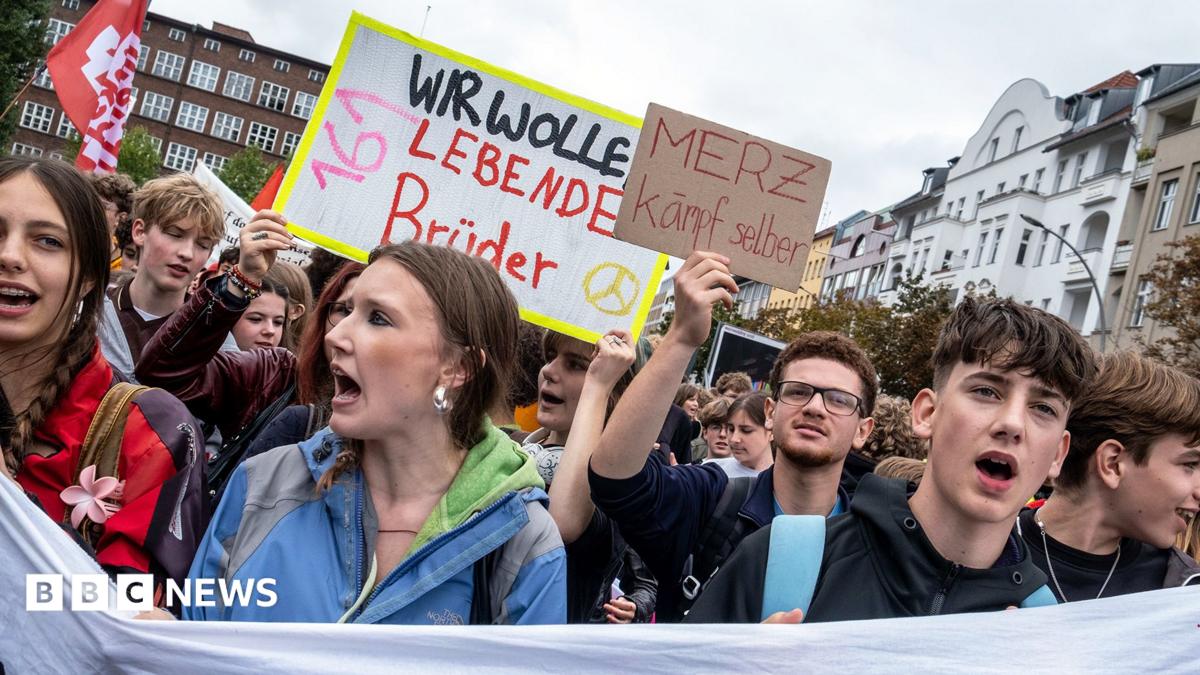
Geopolitical & Core Developments
A wave of student strikes has swept across major urban centers in Germany, reflecting profound societal anxiety over the nation's shifting defense posture. The demonstrations were triggered by the implementation of a new legislative framework governing military service that took effect in January. While the current law formally establishes a voluntary enlistment model, protest organizers and youth coalitions argue that the structural mechanisms embedded within the legislation lay the groundwork for a return to compulsory military service. This domestic friction occurs against the backdrop of a broader strategic rearmament in Berlin, catalyzed by sustained geopolitical instability in Eastern Europe and mounting pressure from NATO allies to meet elevated defense spending benchmarks. The German government, led by a coalition attempting to balance fiscal prudence with urgent security imperatives, has defended the legislative package as a vital modernization step. Officials maintain that voluntary incentives are sufficient to bolster dwindling troop numbers. However, civil society groups remain skeptical, pointing to ambiguous clauses regarding emergency mobilization thresholds that could theoretically trigger mandatory drafts during severe regional crises. The protests have paralyzed academic institutions in Berlin, Frankfurt, and Munich, transforming university campuses into focal points for a national debate on civic duty, militarization, and the social contract in contemporary democratic Europe.
Global Trade & Economic Ripples
While the student strikes appear primarily domestic and socio-political, their long-term economic implications for the broader European single market and global trade are multifaceted. Germany's defense sector, anchored by major industrial conglomerates, stands to receive substantial capital infusions as Berlin attempts to modernize its armed forces. However, prolonged social unrest and labor disruptions in the education and public transport sectors threaten domestic productivity and consumer confidence. Furthermore, the re-allocation of federal budgets toward defense procurement risks crowding out critical investments in green energy transitions, infrastructure modernization, and technological innovation. In global commodity markets, heightened European defense spending continues to exert upward pressure on raw material prices, particularly specialized steel, aerospace-grade aluminum, and rare earth elements vital for military hardware. Shipping lanes and logistics networks within Central Europe could face temporary bottlenecks if student-led blockades expand into broader labor strikes involving transportation unions. Currency markets have thus far shown muted reactions, but foreign exchange analysts warn that persistent political instability in the eurozone's economic anchor could introduce volatility into the euro if public dissent undermines government stability and stalls legislative agendas.
Related Intelligence: Trump-Xi Summit Exposes Strategic U.S. Disadvantage Across the Global South
International Reactions & Diplomatic Stances
International observers, particularly within NATO and the European Union, are monitoring the German developments with cautious attention. Allied governments in Washington and Brussels have long urged Berlin to assume a more assertive security role commensurate with its economic might, viewing any strengthening of the Bundeswehr as a positive contribution to transatlantic deterrence. Conversely, neighboring European states and multilateral bodies have expressed concern over potential social fragmentation within Germany, emphasizing that domestic consensus is crucial for sustainable defense policy. Market analysts and geopolitical risk consultancies note that while the protests do not immediately threaten the stability of the ruling coalition, they highlight a growing generational divide over foreign policy and militarization. Human rights organizations and international labor monitors have called for transparent dialogue between federal authorities and student representatives, warning that heavy-handed responses to peaceful assemblies could tarnish Germany's democratic credentials on the global stage. Diplomatic missions in Berlin have advised their respective capitals to prepare for potential policy adjustments if public pressure forces the federal government to water down its recruitment targets or amend the military service legislation.
Strategic Outlook & Future Scenarios
Looking ahead, the trajectory of the German student movement will serve as a bellwether for the limits of European rearmament in the face of public resistance. Upcoming regional elections and parliamentary debates will test the resilience of the coalition government's defense strategy. If protest momentum continues to build, Berlin may be forced to offer concessions, such as enhanced civilian service alternatives or stricter legal safeguards explicitly ruling out future conscription. Conversely, a failure to meet recruitment targets under the voluntary model could compel policymakers to reconsider compulsory service, inevitably igniting even larger social confrontations. For global investors and commodity traders, the key variables to watch include upcoming federal budget allocations, legislative amendments to the military service law, and the potential expansion of protests into key industrial and transport sectors. Ultimately, the tension between national security imperatives and democratic consent in Germany will shape the wider geopolitical landscape of Central Europe for years to come.
Join Our Official WhatsApp Channel
Receive live commodity alerts, policy changes, and commercial intelligence directly on WhatsApp.