
Trump Rejects Iran Ceasefire Proposal Amid Escalating Geopolitical Tensions
Donald Trump rejects Iran's seven-day ceasefire proposal, with analysts predicting a resumption of hostilities following domestic midterm elections and stoking fears of global energy market volatility.
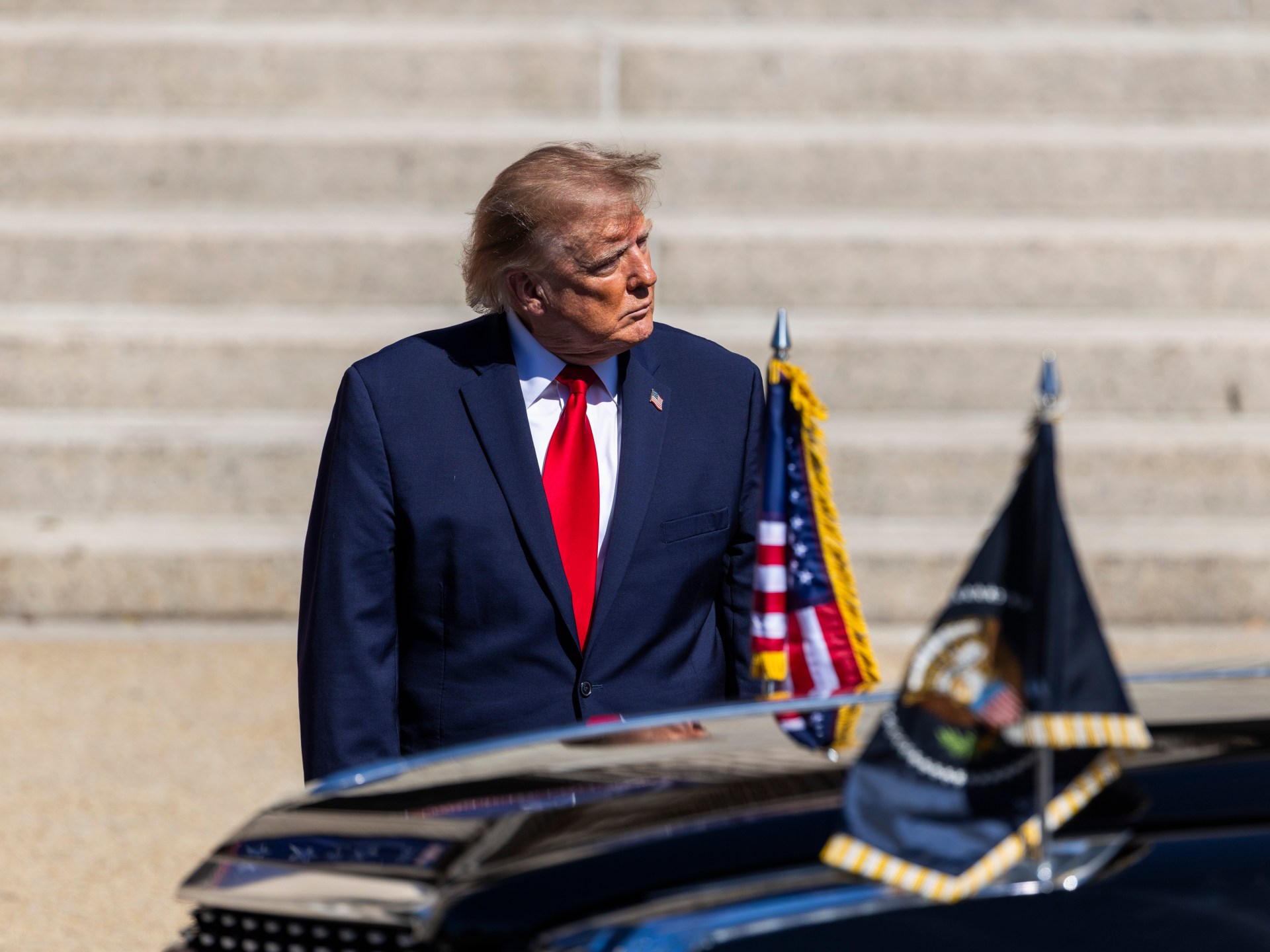
Geopolitical & Core Developments
The rejection by Donald Trump of a strategic seven-day ceasefire proposed by Iranian officials marks a critical juncture in contemporary Middle Eastern geopolitics. The diplomatic overture, intended to de-escalate brewing hostilities and open humanitarian corridors, was summarily dismissed amidst hardening stances in Washington. State actors across the region have monitored the breakdown of these preliminary talks with mounting apprehension, recognizing that diplomatic channels are rapidly narrowing. Intelligence assessments and defense analysts suggest that the rejection is calculated, reflecting broader electoral calculations and a desire to project unyielding strength ahead of domestic political milestones. The breakdown of this diplomatic initiative effectively freezes potential peace frameworks, leaving military posture as the primary instrument of statecraft for both capitals.
Global Trade & Economic Ripples
The collapse of the ceasefire framework immediately reverberates through international commodity markets, particularly affecting global energy supplies and crude oil benchmarks. Traders have quickly priced in a renewed premium for geopolitical risk, driving fluctuations in Brent and WTI futures as fears grow over potential disruptions to crucial petroleum supply chains. The Strait of Hormuz, a vital maritime chokepoint accounting for a massive share of global petroleum transit, remains a primary focal point for commercial vulnerability. Any kinetic escalation in the Persian Gulf threatens not only energy pricing stability but also marine insurance premiums and international shipping schedules, compounding inflationary pressures across developing and advanced economies alike.
Related Intelligence: UK Labour Conference Faces Pro-Palestine Rallies Over Middle East Policy
International Reactions & Diplomatic Stances
Multilateral organizations and foreign ministries have responded to the stalled negotiations with urgent appeals for restraint. Representatives from the United Nations have reiterated that military solutions remain entirely inadequate for resolving long-standing regional disputes, calling instead for renewed, unconditional dialogue. Meanwhile, European allies express deep concern over the deterioration of security frameworks, fearing that an uncontained escalation could trigger a new wave of refugee migration and economic disruption across the Mediterranean basin. Market analysts note that institutional investors are increasingly hedging against worst-case scenarios, shifting capital toward safe-haven assets as diplomatic avenues stall.
Strategic Outlook & Future Scenarios
Looking ahead, the trajectory of US-Iran relations appears bound to a volatile schedule of impending political events. Security experts widely anticipate that aggressive postures could manifest into renewed kinetic operations or intensified economic sanctions following the conclusion of domestic midterm elections. As regional proxy networks remain on high alert, the risk of miscalculation grows exponentially. Upcoming international summits and emergency sessions called by global energy regulators will likely serve as the final diplomatic bulwarks against a comprehensive regional conflict, determining whether commercial markets can stabilize or face sustained disruption.
Join Our Official WhatsApp Channel
Receive live commodity alerts, policy changes, and commercial intelligence directly on WhatsApp.