
Turkiye Pushes UN Security Council Veto Overhaul Amid Global Friction
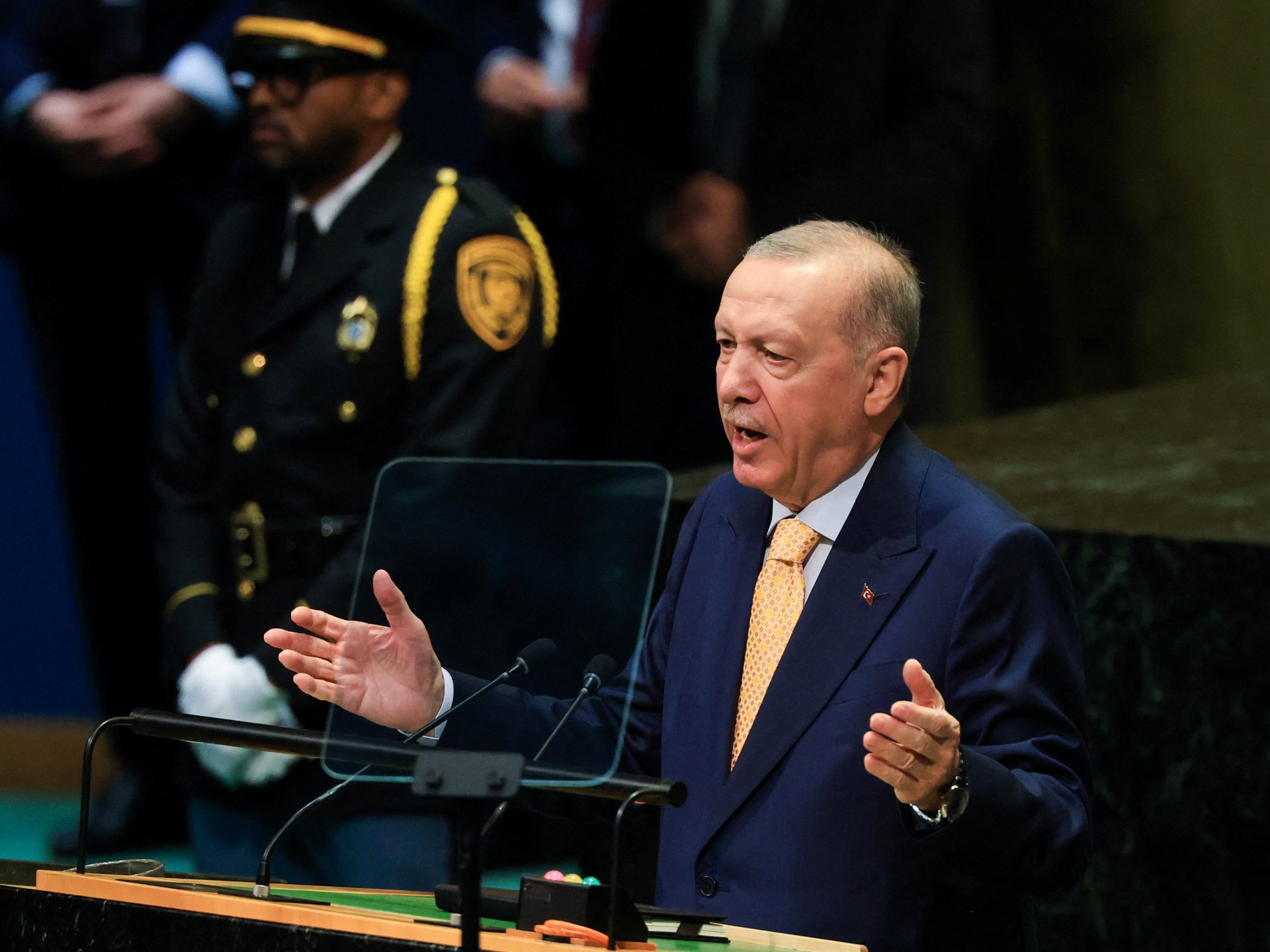
Ankara is intensifying its global campaign to abolish UN Security Council veto powers, challenging the post-World War II international architecture amid widespread diplomatic gridlock.
Geopolitical & Core Developments
Turkish leadership has amplified its longstanding critique of the United Nations Security Council, calling for the total abolition of the veto power wielded by its five permanent members: the United States, Russia, China, the United Kingdom, and France. Ankara's diplomatic offensive underscores a growing frustration across the Global South regarding the paralysis of international bodies in addressing contemporary conflicts, from Eastern Europe to the Middle East. The existing UN architecture, forged in the aftermath of 1945, concentrates extraordinary executive authority within a handful of capitals, frequently rendering the Security Council incapable of decisive intervention when vital interests of the P5 clash. Fully abolishing the veto would require a charter amendment ratified by two-thirds of the UN General Assembly, including the unanimous consent of all five permanent members—a procedural hurdle that makes actual abolition highly unlikely. Nonetheless, Turkiye's aggressive posture reflects broader geopolitical realignments, as middle powers increasingly demand institutional parity and institutional restructuring to reflect twenty-first-century economic and demographic realities.
Global Trade & Economic Ripples
While diplomatic debates over UN reform appear institutional, their commercial implications resonate directly across global commodity markets, supply chains, and maritime logistics. Prolonged paralysis in the Security Council frequently exacerbates geopolitical instability in critical resource corridors, directly influencing international energy pricing, insurance premiums for commercial shipping, and freight rates across vital chokepoints like the Black Sea and the Bab el-Mandeb strait. Turkiye occupies a pivotal geopolitical and commercial nexus, controlling the Turkish Straits—the maritime gateway for Black Sea grain, steel, and Russian energy exports. When multilateral diplomacy falters and security tensions mount, trade flows face heightened scrutiny, increased compliance costs, and regulatory friction. International energy traders and multinational conglomerates increasingly price geopolitical governance risk into long-term capital allocation, recognizing that dysfunctional international institutions directly translate into heightened volatility for crude oil, natural gas, and agricultural commodities.
Related Intelligence: Deadly DI Khan Blast Threatens Trade Routes and Security
International Reactions & Diplomatic Stances
Global reactions to Ankara's initiative reveal deep divisions between the privileged permanent members and the wider international community. Developing nations and emerging economies have frequently echoed concerns regarding democratic deficits within the United Nations, supporting expansive reform packages that would incorporate permanent representation for Africa, Latin America, and major Asian economies like India. Conversely, the P5 members display little appetite for diluting their sovereign leverage, viewing the veto as an indispensable instrument for preventing great-power military conflict. Western multilateral diplomats privately acknowledge the systemic legitimacy crisis facing the UN, yet emphasize that incremental enlargement of the Security Council remains the only viable diplomatic pathway, dismissing total veto abolition as politically utopian. Market analysts and geopolitical risk consultancies note that while structural reform is stalled, the persistent public erosion of UN credibility accelerates the fragmentation of global trade into regional blocs and bilateral pacts.
Strategic Outlook & Future Scenarios
As the international community approaches upcoming high-level summits and General Assembly sessions, the debate over UN modernization will remain a central friction point in multilateral diplomacy. Although the structural removal of the veto power faces insurmountable constitutional barriers, mounting pressure from coalitions led by Turkiye, Brazil, India, and South Africa will continue to delegitimize unearned diplomatic privileges. For global corporations, shipping operators, and commodity desks, this institutional friction signals an era of persistent geopolitical unpredictability. Without effective multilateral governance to resolve trade disputes and secure maritime corridors, markets must adapt to a fractured operating environment defined by unilateral sanctions, localized trade restrictions, and heightened sovereign risk.
Join Our Official WhatsApp Channel
Receive live commodity alerts, policy changes, and commercial intelligence directly on WhatsApp.