
Iran Conflict Chokes Iraq Economy as Oil Flows and Currency Falter
Escalating regional conflict involving Iran severely impacts Iraq's economy, triggering falling oil revenues, soaring import costs, and currency depreciation.
Geopolitical & Core Developments
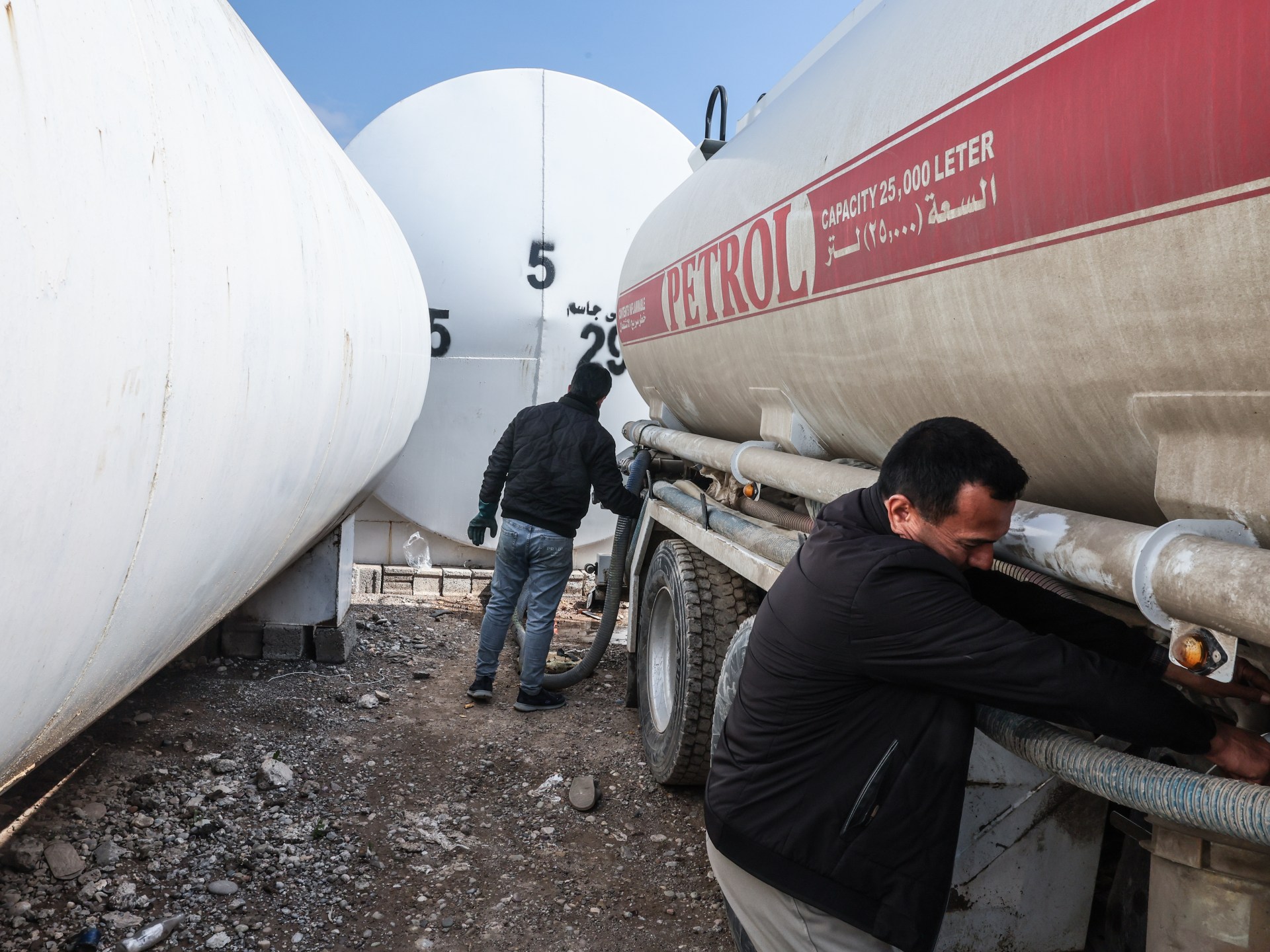
The wider regional confrontation involving Iran has sent severe shockwaves across neighboring Iraq, exposing the structural vulnerabilities of an economy deeply dependent on hydrocarbons and foreign imports. As military tensions escalate along vital regional corridors, logistical bottlenecks and security threats have directly impeded Iraq's ability to sustain consistent crude oil extraction and export volumes. Southern export terminals and overland trade routes, which serve as the lifeblood of the Iraqi federal budget, face mounting disruptions. State actors and regional militias engaged in the broader geopolitical standoff have inadvertently or directly imperiled commercial shipping lanes and pipeline networks. This state of affairs has effectively paralyzed normal economic activity, forcing policymakers in Baghdad to confront an unfolding fiscal crisis characterized by dwindling foreign currency reserves and a rapidly widening budget deficit.
Global Trade & Economic Ripples
Beyond domestic fiscal strains, the crisis in Iraq reverberates profoundly through global energy markets and international trade networks. Iraq remains one of the Organization of the Petroleum Exporting Countries' (OPEC) largest producers, and any constriction in its output tightens global crude supplies at a time when worldwide energy demand remains highly sensitive to geopolitical shocks. Commodity traders have responded by pricing in elevated risk premiums, leading to heightened volatility in international oil benchmarks. Furthermore, the disruption has severely impacted supply chains for essential commodities and consumer goods within Iraq. Because the nation relies heavily on imports for foodstuffs, machinery, and manufactured products, soaring shipping insurance rates and logistical delays have translated into skyrocketing domestic retail prices. The Iraqi dinar has simultaneously faced intense downward pressure against the US dollar on parallel markets, eroding purchasing power and plunging households into deeper economic distress.
Related Intelligence: Inside the UN General Assembly: Global Diplomacy and Economic Realities
International Reactions & Diplomatic Stances
International bodies and financial institutions have closely monitored the unfolding crisis, issuing urgent appeals for de-escalation to prevent a wider humanitarian and economic catastrophe across the Middle East. Representatives from the United Nations and the International Monetary Fund have underscored the urgent need to safeguard critical infrastructure and maintain the uninterrupted flow of humanitarian and commercial goods into Iraq. Global market analysts warn that prolonged instability will necessitate emergency fiscal interventions and international financial support to stabilize the Iraqi banking sector. Neighboring states and major trading partners have expressed deep concern over the security of regional trade routes, while diplomatic channels remain active behind the scenes to urge restraint among all belligerents involved in the Iran-led axis of confrontation.
Strategic Outlook & Future Scenarios
Looking ahead, the trajectory of Iraq's economy remains inextricably linked to the broader containment or expansion of the Iran conflict. Should military hostilities persist or intensify, Baghdad faces the grim prospect of severe fiscal insolvency, heightened civil unrest, and an institutional inability to service public sector salaries and essential services. Upcoming multilateral diplomatic summits and emergency OPEC consultations will be critical in determining whether coordinated production adjustments or security guarantees can restore confidence to regional shipping lanes. Strategic analysts suggest that without immediate diplomatic breakthroughs and robust international financial backing, Iraq risks sliding into a prolonged structural crisis that could permanently alter the geopolitical and economic balance of the Levant and the wider Gulf region.
Join Our Official WhatsApp Channel
Receive live commodity alerts, policy changes, and commercial intelligence directly on WhatsApp.