
Trump Overhauls US Auto Policy to Dismantle Biden EV Mandates
President Trump has announced sweeping rollbacks of Biden-era US fuel economy standards, signaling the termination of federal policies designed to steer consumers toward electric vehicles.
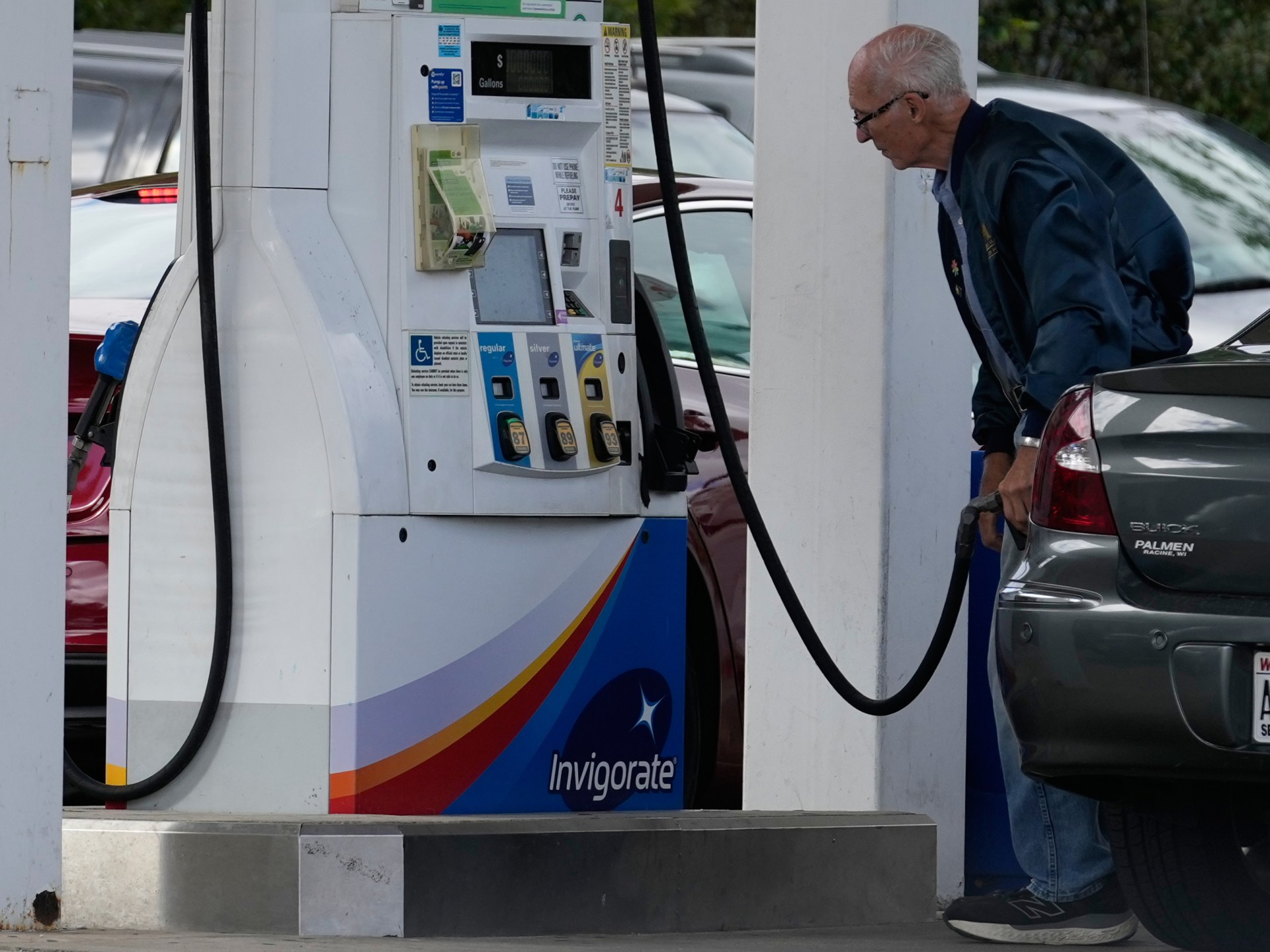
Geopolitical & Core Developments
In a sweeping policy reversal that signals a profound shift in American domestic and industrial strategy, President Donald Trump has announced plans to dismantle strict fuel economy standards instituted by the previous administration. The policy pivot targets regulations colloquially branded by critics as an electric vehicle mandate, which sought to aggressively accelerate the transition of the United States automobile fleet toward zero-emission technology. By scaling back these targets, the administration aims to relieve domestic automakers from rigorous compliance timelines that industry leaders argued imposed unsustainable financial burdens.
The initial phase of this regulatory overhaul involves recalibrating Corporate Average Fuel Economy requirements and reviewing Environmental Protection Agency waivers that empowered individual states, notably California, to set independent, stringent emissions thresholds. This confrontation between federal deregulation and state-level climate policies sets the stage for protracted legal battles. State attorneys general and environmental coalitions are mobilizing to challenge the rollbacks, framing the administration's actions as a dangerous retreat from national decarbonization commitments and international climate obligations.
Global Trade & Economic Ripples
Beyond domestic regulatory halls, the dismantling of US fuel efficiency mandates carries immediate implications for global commodity markets, particularly international crude oil demand and critical mineral supply chains. For years, the anticipated surge in American electric vehicle adoption served as a foundational assumption for long-term commodity forecasts, influencing capital allocation toward lithium, cobalt, nickel, and rare earth elements. A prolonged reliance on internal combustion engines alters the projected trajectory of petroleum consumption, potentially stabilizing traditional oil demand and altering pricing dynamics across global benchmark grades.
International trade flows within the automotive sector are equally vulnerable to disruption. Global manufacturers that have invested tens of billions of dollars retooling production lines for electric vehicle platforms now face a fragmented market landscape. While European and Asian automakers continue navigating stringent carbon regulations in their home jurisdictions, they must recalibrate their export strategies to accommodate a revitalized American market for gasoline-powered vehicles. This divergence in regulatory philosophy threatens to create friction in bilateral trade relations and complicate multinational supply chain management.
Related Intelligence: Venezuela Accords Set Stage for Judicial Overhaul and Energy Realignment
International Reactions & Diplomatic Stances
Global reaction to the policy reversal has been swift, characterized by deep concern among international climate bodies and cautious optimism within traditional energy sectors. Representatives from multilateral environmental forums warn that the retreat of the world's second-largest greenhouse gas emitter from aggressive transportation standards undermines collective global efforts to limit rising global temperatures. European Union trade officials are currently evaluating how the shift in American policy might distort competitive dynamics, particularly regarding subsidies and carbon border adjustment mechanisms.
Conversely, major oil-exporting nations and traditional energy sector stakeholders have welcomed the development as a pragmatic acknowledgment of current infrastructure limitations and consumer preferences. Market analysts suggest that while automakers will maintain diversified research and development pipelines to service global markets, the removal of immediate federal mandates in the United States grants manufacturers vital breathing room to manage profitability amidst high interest rates and shifting consumer adoption curves.
Strategic Outlook & Future Scenarios
As the administration moves from policy announcements to formal rulemaking, the long-term trajectory of the American automotive sector remains heavily contested. The coming months will witness intense legislative maneuvering and judicial scrutiny as federal authorities attempt to preempt state-level environmental standards. Major international automakers will be forced to execute dual-track manufacturing and distribution strategies, balancing compliance with tightening regulations abroad against a deregulated domestic market in the United States.
Ultimately, this policy pivot underscores the cyclical nature of American energy politics and its capacity to disrupt global economic equilibria. Whether market forces, driven by technological advancement and cost parity, will continue to propel electric vehicle adoption regardless of federal mandates remains the central question confronting international energy forecasters and geopolitical strategists alike.
Join Our Official WhatsApp Channel
Receive live commodity alerts, policy changes, and commercial intelligence directly on WhatsApp.