
Athens Gas Blast Kills Six, Sparking Tourism and Infrastructure Scrutiny
A devastating gas leak explosion in Athens' Plaka district kills six, including four American tourists, prompting international concern and urgent infrastructure safety reviews across historic European urban centers.
Geopolitical & Core Developments
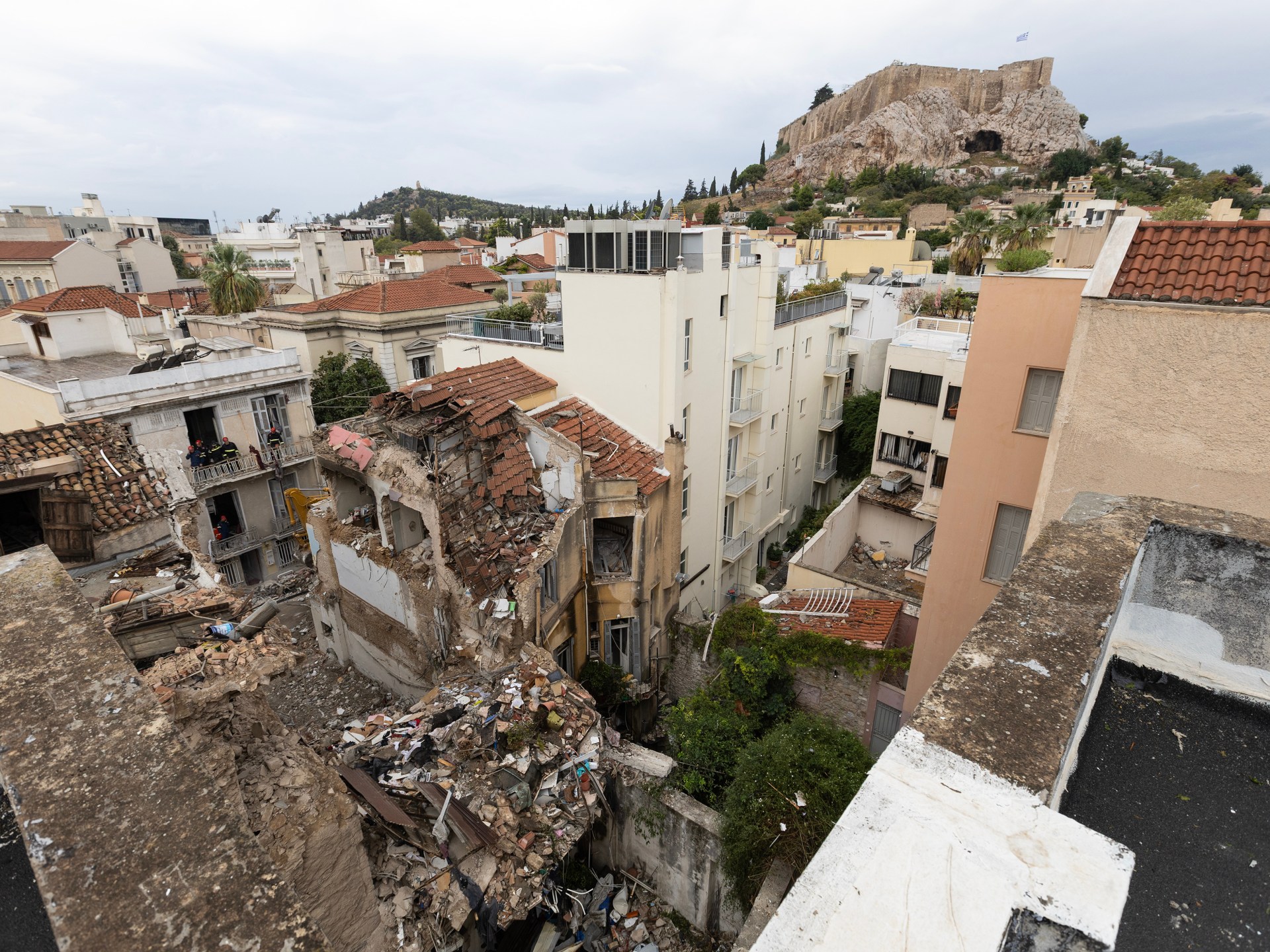
A catastrophic gas leak explosion in the heart of Athens' historic Plaka district has resulted in six fatalities, including four American tourists, sending shockwaves through diplomatic and tourism circles. The blast, which occurred during the early morning hours, caused the structural collapse of a multi-story residential building utilized heavily by international visitors. Local emergency response units, alongside specialized disaster management teams, worked through debris to recover the victims, while two additional women sustained severe injuries and were rushed to regional hospitals.
The incident has immediately drawn the attention of foreign ministries and diplomatic missions in Greece. Consular officials from the United States Embassy in Athens mobilized swiftly to coordinate with Greek authorities, providing support to the families of the deceased American nationals. The Hellenic Police and the Ministry of Infrastructure and Transport have launched a joint, high-level forensic investigation to determine the exact origin of the gas leak, scrutinizing whether aging municipal pipeline infrastructure or faulty internal gas regulators within the privately managed building were responsible for the accumulation of flammable gas.
Global Trade & Economic Ripples
While the disaster is primarily a humanitarian and municipal safety crisis, its commercial and economic repercussions extend into the vital Greek tourism sector and broader European property markets. Tourism serves as a primary pillar of the Greek national economy, contributing heavily to its GDP and employment figures. Incidents involving international fatalities in premier tourist hubs like Plaka—situated directly beneath the Acropolis—pose immediate reputational risks to Mediterranean travel demand.
Furthermore, the tragedy highlights systemic vulnerabilities within aging urban infrastructure across Southern Europe, where historic districts face intense pressures from commercial modernization, high-density residential use, and the rapid expansion of short-term rental accommodations. International insurance syndicates and institutional real estate investors are closely monitoring the fallout, anticipating stricter regulatory compliance audits, mandatory safety retrofitting for legacy buildings, and potentially higher liability insurance premiums for hospitality operators across the region. Energy commodity markets, specifically liquefied petroleum gas and natural gas distribution networks within dense urban tourist centers, face heightened scrutiny regarding safety standards and maintenance protocols.
Related Intelligence: Ireland's Gesture to Israel Match Sparks Diplomatic and Commercial Tensions
International Reactions & Diplomatic Stances
Official statements from international bodies and foreign governments underscored the gravity of the event. The United States Department of State issued a formal expression of condolence while offering comprehensive consular assistance. European Union representatives in Brussels conveyed solidarity with the Hellenic Republic, emphasizing the shared challenge of maintaining rigorous safety standards in densely populated heritage zones.
Market analysts and risk intelligence firms have noted that the disaster could accelerate regulatory tightening by the European Commission concerning urban safety directives. Civil protection agencies across the Mediterranean are facing mounting pressure from foreign governments to ensure that tourist-heavy real estate assets comply with modern fire and gas safety codes, balancing heritage preservation with human security.
Strategic Outlook & Future Scenarios
As the investigation proceeds, the Greek government faces a delicate balancing act between protecting its multi-billion-dollar tourism industry and implementing rigorous, potentially disruptive regulatory reforms. Upcoming parliamentary debates are expected to focus on nationwide infrastructural audits, mandatory gas leak detection systems in commercial and residential rental properties, and enhanced accountability for property managers.
For international travelers and global tour operators, the Athens tragedy serves as a stark reminder of urban risk management factors. While the immediate geopolitical fallout remains contained, the long-term trajectory points toward increased compliance costs for Mediterranean hospitality providers and a heightened focus on infrastructural safety in global tourism risk assessments.
Join Our Official WhatsApp Channel
Receive live commodity alerts, policy changes, and commercial intelligence directly on WhatsApp.