
Northeastern US Storm Disrupts Energy Grids and Freight Corridors
A powerful storm system batters the northeastern United States, triggering extensive power outages and infrastructure disruptions that ripple through domestic supply chains and regional commodity markets.
Geopolitical & Core Developments
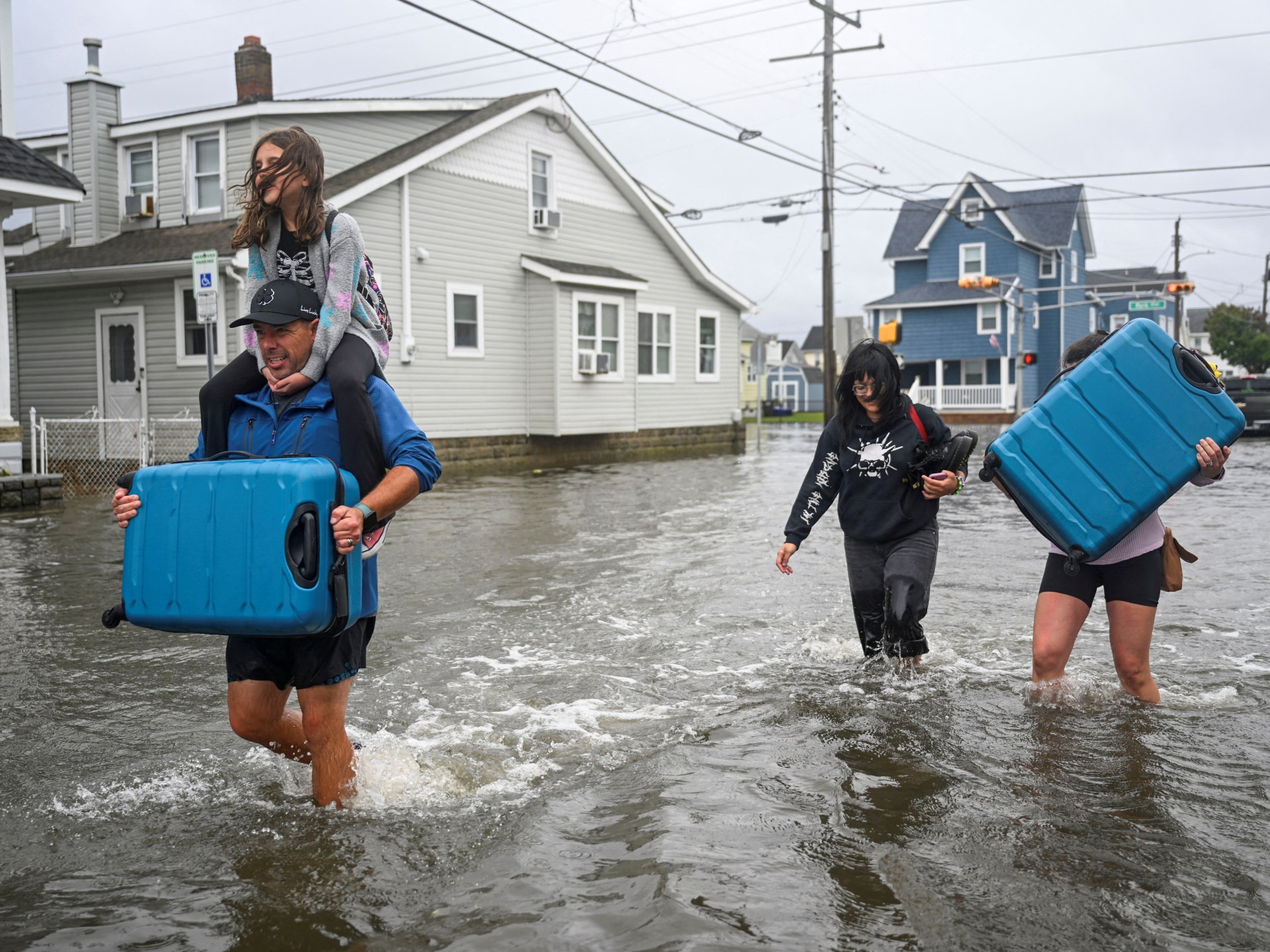
A severe and fast-moving meteorological system has swept across the northeastern United States, delivering torrential rainfall, destructive winds, and widespread coastal flooding. State and federal emergency management authorities have issued urgent warnings as the environmental shock tests the resilience of critical civil infrastructure in one of the nation's most densely populated and economically vital corridors. The storm, characterized by rapidly dropping barometric pressure and intense precipitation bands, has compromised electrical transmission networks, downed vital communication lines, and inundated low-lying transportation arteries. Emergency response agencies at municipal, state, and federal levels have activated multi-agency coordination frameworks to manage search-and-rescue operations, clear obstructed rights-of-way, and secure compromised utility installations. While meteorological phenomena of this magnitude are increasingly scrutinized through the lens of climate adaptation policies, the immediate focus remains on life safety, damage assessment, and the rapid restoration of basic municipal services. State governors have declared localized states of emergency, enabling the deployment of national guard units to assist local authorities in managing evacuations and securing vulnerable flood zones. The compounding nature of the storm—combining high-velocity winds with saturated soils—has accelerated tree failures and structural damage, complicating the timeline for comprehensive damage mitigation and infrastructural reinforcement.
Global Trade & Economic Ripples
Beyond the immediate humanitarian concerns, the severe weather event has introduced notable friction into domestic and international commercial networks centered around the northeastern US seaboard. Major international shipping lanes, regional ports, and maritime logistics hubs in the Northeast experienced temporary operational suspensions or restricted vessel movements as harbor pilots navigated hazardous wind and visibility conditions. These maritime bottlenecks have immediate implications for regional energy markets, particularly regarding the distribution of refined petroleum products, heating oil, and liquefied natural gas imports that supply the broader Atlantic seaboard. Refined product pipelines operating through the affected zones have implemented precautionary flow reductions or temporary shutdowns to inspect integrity and prevent systemic failures. Furthermore, the disruption of major rail and highway freight corridors has created temporary logjams in intermodal supply chains, affecting the seamless transit of industrial inputs and agricultural commodities destined for both domestic consumption and export markets. Commodity traders and logistics coordinators are closely monitoring how extended infrastructure downtime could influence regional price volatility for energy futures and industrial raw materials, noting that even short-term supply chain contractions in the US Northeast can generate measurable pricing adjustments across wider North American trade indices.
Related Intelligence: South African Femicide Crisis Threatens Social Stability and Investment Climate
International Reactions & Diplomatic Stances
International market observers, foreign trade partners, and multilateral organizations have monitored the unfolding operational challenges in the United States with keen interest, recognizing the systemic importance of the northeastern economic hub. While the event is domestic in origin, global commodity analysts and economic intelligence units have incorporated the infrastructural disruption into their short-term risk models, evaluating potential knock-on effects for transatlantic trade stability and international energy pricing benchmarks. Foreign ministries and diplomatic missions in Washington have maintained close communication with federal trade and energy agencies to assess potential delays in cross-border commerce and maritime freight schedules. Multilateral bodies focused on disaster risk reduction and climate resilience have utilized the event to emphasize the growing economic vulnerability of coastal metropolitan regions to extreme weather volatility. Industry associations representing global shipping lines and energy conglomerates have issued advisory notes urging members to prepare for lingering logistical delays and capacity constraints as regional supply chains absorb the shock and gradually work through backlogs caused by the temporary paralysis of key transportation nodes.
Strategic Outlook & Future Scenarios
As emergency crews transition from immediate disaster response to long-term infrastructure recovery, strategic planners are directing their attention toward the broader implications for regional preparedness and capital investment. The severity of the storm has reignited policy debates regarding the urgent need for accelerated modernization and hardening of electrical grids, flood defense systems, and transportation networks against extreme weather risks. Federal lawmakers and regional authorities are expected to fast-track legislative proposals and budgetary allocations aimed at climate-proofing critical infrastructure, with potential ramifications for federal spending priorities and municipal bond markets. For global commodity traders and international supply chain managers, the incident serves as a stark reminder of the operational fragilities inherent in densely interconnected commercial corridors. Future scenarios indicate that insurance markets, risk management protocols, and maritime logistics strategies will increasingly factor in the rising frequency of severe meteorological disruptions, prompting firms to diversify regional inventory holdings, enhance supply chain redundancy, and invest in resilient technological frameworks to safeguard international trade flows against unforeseen environmental shocks.
Join Our Official WhatsApp Channel
Receive live commodity alerts, policy changes, and commercial intelligence directly on WhatsApp.