
Trump Defends Policy Record as Midterm Risks and Energy Pressures Mount
Facing declining approval ratings and inflation driven by Middle East geopolitical strains, US President Donald Trump published a 25-point policy record ahead of midterm elections, signaling shifts that could impact global energy markets and import-reliant economies.
The Core Development
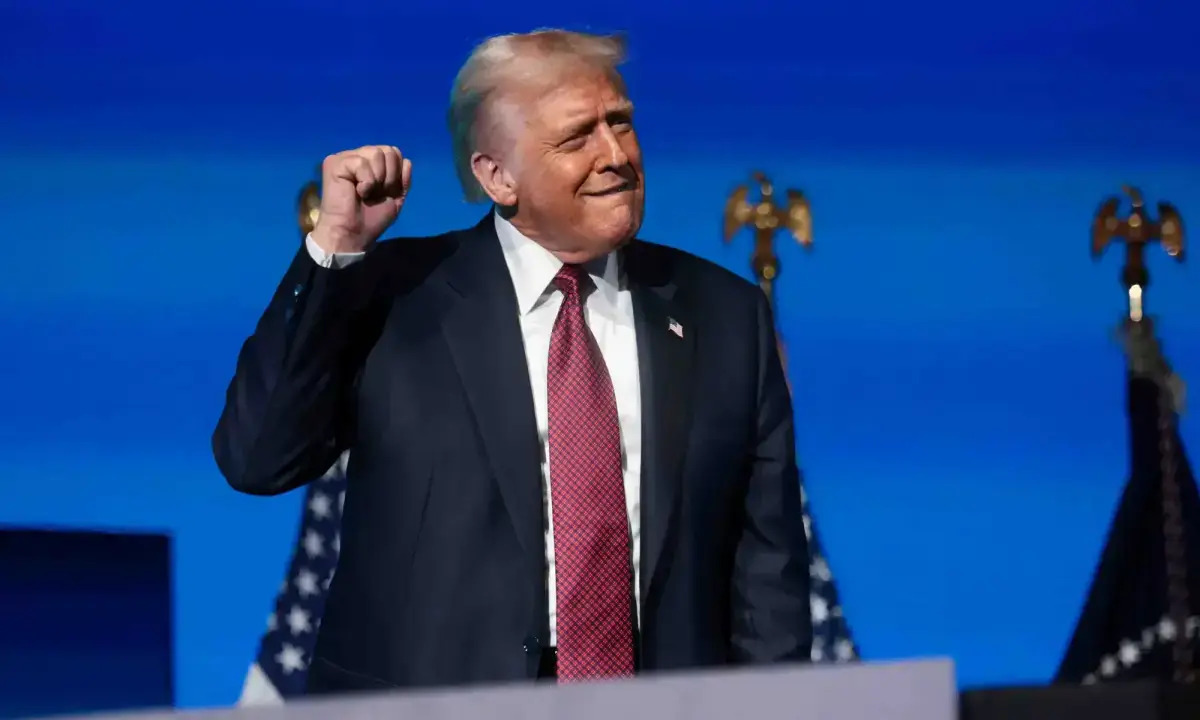
In an aggressive bid to arrest declining public approval ratings ahead of high-stakes midterm elections, United States President Donald Trump has released a contentious catalog of twenty-five core executive achievements. Facing potential losses of Republican control in both the House of Representatives and the Senate, the White House has framed the administration's tenure around hardline domestic and nationalist mandates, citing total restrictions on refugee admissions and executive declarations recognizing English as the primary federal language.
The defensive public relations posture coincides with severe political headwinds. Independent polling aggregates indicate growing domestic voter fatigue fueled by expanding military engagement in the Persian Gulf and intensifying conflict with Iran. The resultant spike in benchmark global crude indices, coupled with acute domestic retail fuel and consumer price increases, has severely undermined the administration's economic narrative. With public approval dipping into critical territory, political analysts suggest that an electoral realignment in Congress would effectively stall the White House's legislative capacity during the final two years of his term.
Commercial & Economic Implications
For international trade corridors and emerging markets such as Pakistan, the political and geopolitical volatility emanating from Washington generates immediate structural shocks. The primary transmission vector remains global energy pricing. Geopolitical escalation involving Iran threatens transit security across the Strait of Hormuz, maintaining an elevated risk premium on international crude oil benchmarks.
For Pakistan's commercial ecosystem and wholesale distribution networks, including enterprises like Kalyar Traders, elevated global energy prices directly accelerate imported inflation. Rising international landing costs for refined petroleum products translate into immediate upward adjustments in domestic diesel prices, which drive up per-kilometer trucking tariffs, cold-chain transport costs, and intercity freight rates. Furthermore, higher energy import bills drain the State Bank of Pakistan's foreign exchange reserves, exerting sustained downward pressure on the Pakistani rupee against the US dollar. Consequently, wholesale FMCG distributors, agricultural input suppliers, and retail networks face compressed gross margins, working capital erosion, and dampened consumer purchasing power across urban and semi-urban retail hubs.
Related Intelligence: Pakistan Urges Iran to Maintain Steady Energy Inflows Amid Supply Constraints
Stakeholder Perspectives & Market Reactions
Global currency markets and sovereign debt desks have reacted with heightened caution to the prospect of a divided US government alongside persistent geopolitical instability. In Pakistan, domestic merchant associations, logistics operators, and trade bodies have voiced concern over the persistent volatility of shipping freights and domestic fuel surcharges.
Financial analysts note that a fragmented US Congress typically triggers prolonged fiscal impasses and unpredictable trade policy enforcement. Importers and commercial distributors in Karachi and Lahore emphasize that exchange rate uncertainty complicates quarterly inventory procurement and forward contracts. At the same time, regional foreign policy experts argue that an embattled US administration facing congressional gridlock could pursue erratic sanctions regimes or alter bilateral assistance paradigms, complicating multilateral engagements with institutions such as the International Monetary Fund.
Forward Outlook & Key Watchpoints
The immediate trajectory hinges on the outcome of the November legislative elections and subsequent executive policy shifts in Washington. Market observers must closely monitor voter turnouts and key congressional races, as a divided legislature would curtail unilateral trade maneuvers while intensifying scrutiny over foreign military spending and international sanctions.
For Pakistani commercial operators and supply chain executives, three primary indicators demand rigorous monitoring: price movements in Brent crude futures, bilateral energy diplomacy within the Persian Gulf, and the resulting adjustments to domestic fuel pricing mechanisms and petroleum levies. If global oil benchmarks remain elevated into the final quarter, Pakistan's wholesale sectors must prepare for further operational cost increases, necessitating conservative inventory holding strategies, diversified sourcing corridors, and enhanced hedging against domestic currency depreciation.
Join Our Official WhatsApp Channel
Receive live commodity alerts, policy changes, and commercial intelligence directly on WhatsApp.