
Pakistan Urges Iran to Protect Energy Supplies and Maritime Trade Lanes
Pakistan has urged Iran to safeguard uninterrupted energy flows and maritime navigation amid rising Middle Eastern volatility, warning that supply shocks threaten fragile developing economies and commercial markets.
The Core Development
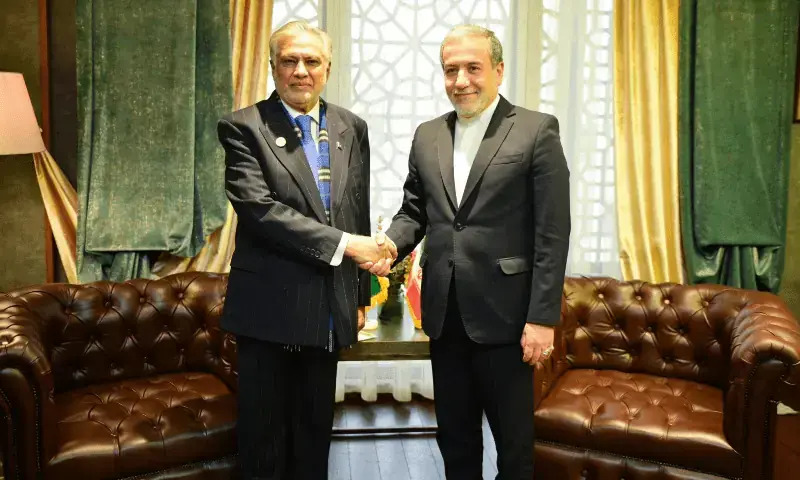
Deputy Prime Minister and Foreign Minister Ishaq Dar engaged in an urgent telephone dialogue with Iranian Foreign Minister Abbas Araghchi, placing energy stability and the safety of commercial sea lanes at the forefront of Pakistan's diplomatic agenda. According to formal communiques issued by the Ministry of Foreign Affairs in Islamabad, the high-level exchange focused heavily on intensifying regional tensions and the escalating risk posed to commercial maritime conduits.
During the discussion, Dar highlighted the imperative of maintaining uninterrupted energy supplies and facilitating the safe, expeditious transit of commercial vessels. The Pakistani foreign minister emphasized that any operational impediments in key waterways carry disproportionate, adverse implications for emerging markets and global supply architecture. Emphasizing that military escalation provides no constructive resolution, Dar reiterated that sustained dialogue and multilateral diplomacy represent the only viable path to long-term stability. The conversation concluded with a mutual understanding to conduct bilateral consultations on the sidelines of the upcoming 81st United Nations General Assembly session in New York.
Commercial & Economic Implications
For Pakistan's commercial ecosystem and domestic markets, Dar's diplomatic intervention reflects severe underlying vulnerabilities. Pakistan remains acutely dependent on imported hydrocarbons, sourcing the vast majority of its crude oil, refined petroleum, and liquefied natural gas (LNG) through the Persian Gulf and the Strait of Hormuz. Any direct or proxy maritime confrontation near Iranian territorial waters immediately triggers sharp increases in war-risk insurance premiums, marine bunker surcharges, and shipping freight rates.
Should sea lanes face operational slowdowns or interdictions, the domestic downstream supply chain would experience near-instantaneous disruption. For wholesale distributors and retail traders, elevated international freight and insurance costs quickly manifest as surging pump prices under Pakistan's bi-weekly petroleum pricing formula. A spike in transportation overheads inevitably cascades across wholesale logistics, driving up freight tariffs for essential fast-moving consumer goods (FMCG) and industrial raw materials. In an economy already navigating stringent fiscal stabilization, energy-driven import inflation directly erodes consumer purchasing power and contracts retail trade turnover.
Related Intelligence: Taliban Calls for Sustained Bilateral Dialogue and Cooperation With Pakistan
Stakeholder Perspectives & Market Reactions
Industrial associations, petroleum importers, and commercial distribution bodies have closely monitored the diplomatic exchange, recognizing the fragile equilibrium governing energy supplies. Shipping agents and logistics operators noted that shipping corridors through the Gulf of Oman and the Arabian Sea have grown increasingly sensitive to geopolitical flashpoints, forcing cargo operators to factor in extended transit buffers and precautionary risk allowances.
Trade bodies, including domestic commercial chambers, have voiced concern that any supply chain shock would squeeze liquidity across wholesale networks. Commercial importers operate under tight margin constraints and limited foreign exchange buffers; sudden logistical delays or international price spikes directly increase working capital requirements. Meanwhile, legal and trade analysts observe that Pakistan's proactive diplomatic engagement reflects a recognition that domestic structural reforms cannot withstand an external imported supply shock. Officials in Islamabad continue to emphasize that developing economies lack the fiscal room to absorb regional commercial trade crises.
Forward Outlook & Key Watchpoints
The immediate focus shifts to New York, where Dar and Araghchi are scheduled to hold an in-person bilateral meeting on the sidelines of the UN General Assembly. Market observers will watch for concrete commitments regarding border trade mechanisms, regional transit coordination, and bilateral security protocols along the shared Balochistan frontier.
Critical domestic indicators over the coming quarter include the trajectory of the Baltic Clean Tanker Index, regional maritime insurance surcharges, and spot LNG tender premiums. If diplomatic efforts succeed in de-escalating naval frictions, commercial freight lines to Pakistani ports will stabilize, helping anchor domestic wholesale prices. Conversely, if shipping lanes face operational interdictions, Islamabad will face heightened pressure on its balance of payments and domestic fuel reserves, forcing policymakers and supply chain operators to seek costly contingency routing.
Join Our Official WhatsApp Channel
Receive live commodity alerts, policy changes, and commercial intelligence directly on WhatsApp.