
Trump Administration Invites Putin to Miami G20 Summit in Major Diplomatic Shift
The US administration has invited Russian President Vladimir Putin to the Miami G20 summit, signaling a major shift in international diplomacy and global trade outlooks.
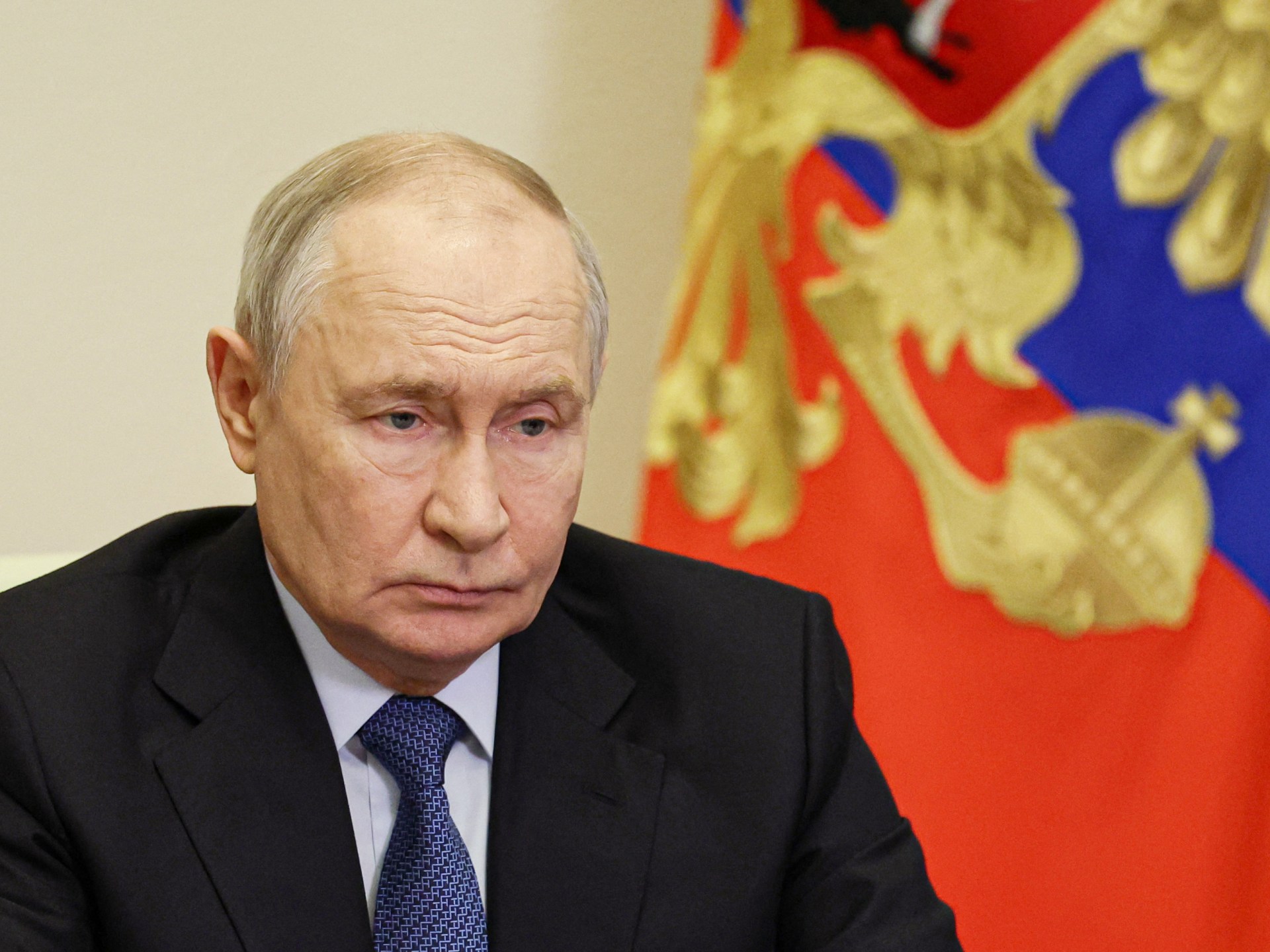
Geopolitical & Core Developments
In a striking departure from years of concerted Western diplomatic isolation, the United States administration has formally invited Russian President Vladimir Putin to attend the upcoming G20 summit in Miami. US Secretary of State Marco Rubio announced the invitation, framing the prospective gathering as a vital opportunity for the Russian leader to engage directly with heads of state and global policymakers. This diplomatic overture represents a foundational pivot in Washington's foreign policy calculus regarding Moscow, moving away from multilateral containment toward direct executive engagement.
The decision to host the Russian president on US soil carries profound symbolic and strategic weight. For over a decade, post-Crimea and post-Ukraine invasion protocols have kept Russian leadership largely sidelined from premier Western-led economic forums. By extending this invitation, the current administration is testing the waters for a negotiated diplomatic track, raising immediate questions among traditional allies regarding alliance cohesion, adherence to existing sanction regimes, and the future architecture of European and transatlantic security.
Global Trade & Economic Ripples
International commodity markets and energy trading desks reacted swiftly to the announcement, pricing in the speculative potential of future sanctions easing and normalization of trade channels. Russia remains a linchpin in global energy architectures, particularly concerning crude oil, refined petroleum products, natural gas, and critical industrial metals such as nickel, palladium, and aluminum. Any sustained thaw in US-Russia relations could radically alter European energy security assumptions, reroute maritime shipping lanes currently burdened by compliance friction, and impact global benchmark pricing for hydrocarbons.
Furthermore, supply chain financiers and marine insurers are evaluating how a high-profile summit could influence the enforcement of maritime price caps and shadow-fleet operations. If bilateral discussions in Miami yield even preliminary frameworks for economic cooperation, downstream impacts will likely be felt immediately across agricultural commodities—specifically wheat and fertilizer exports—as well as currency markets, where the US dollar and the ruble could experience heightened volatility linked to geopolitical sentiment.
Related Intelligence: Super El Nino Threatens Global Markets and Vulnerable Economies
International Reactions & Diplomatic Stances
Global capitals and multilateral organizations have responded with a mixture of cautious reservation and quiet alarm. European Union officials are reportedly holding emergency consultations to assess how a US-led reconciliation effort might impact the unified front maintained against Moscow since the escalation of the Ukraine conflict. Meanwhile, emerging economies within the BRICS bloc have expressed cautious optimism, viewing the Miami summit as a potential catalyst for reducing systemic trade friction and stabilizing multilateral economic governance.
Market analysts and geopolitical risk consultancies point out that while dialogue is generally viewed favorably by commercial entities seeking risk reduction, the suddenness of the shift has introduced a new layer of regulatory uncertainty. Multinational corporations operating across energy, finance, and industrial sectors must now factor in the possibility of sudden policy shifts that could invalidate long-standing compliance frameworks or open unexpected market access.
Strategic Outlook & Future Scenarios
As preparations for the Miami G20 summit accelerate, diplomats and trade strategists are mapping out several plausible trajectories. The immediate challenge will be managing the optics and substantive agenda of the summit to prevent fractures within Western alliances while addressing critical global supply chain vulnerabilities. Should President Putin accept the invitation and travel to Florida, the event will serve as a definitive stress test for international diplomacy, setting the tone for energy pricing, sanctions enforcement, and global trade stability for the remainder of the decade.
Join Our Official WhatsApp Channel
Receive live commodity alerts, policy changes, and commercial intelligence directly on WhatsApp.