
Gaza Activist Hunger Strike in Tunisia Sparks Regional Tensions
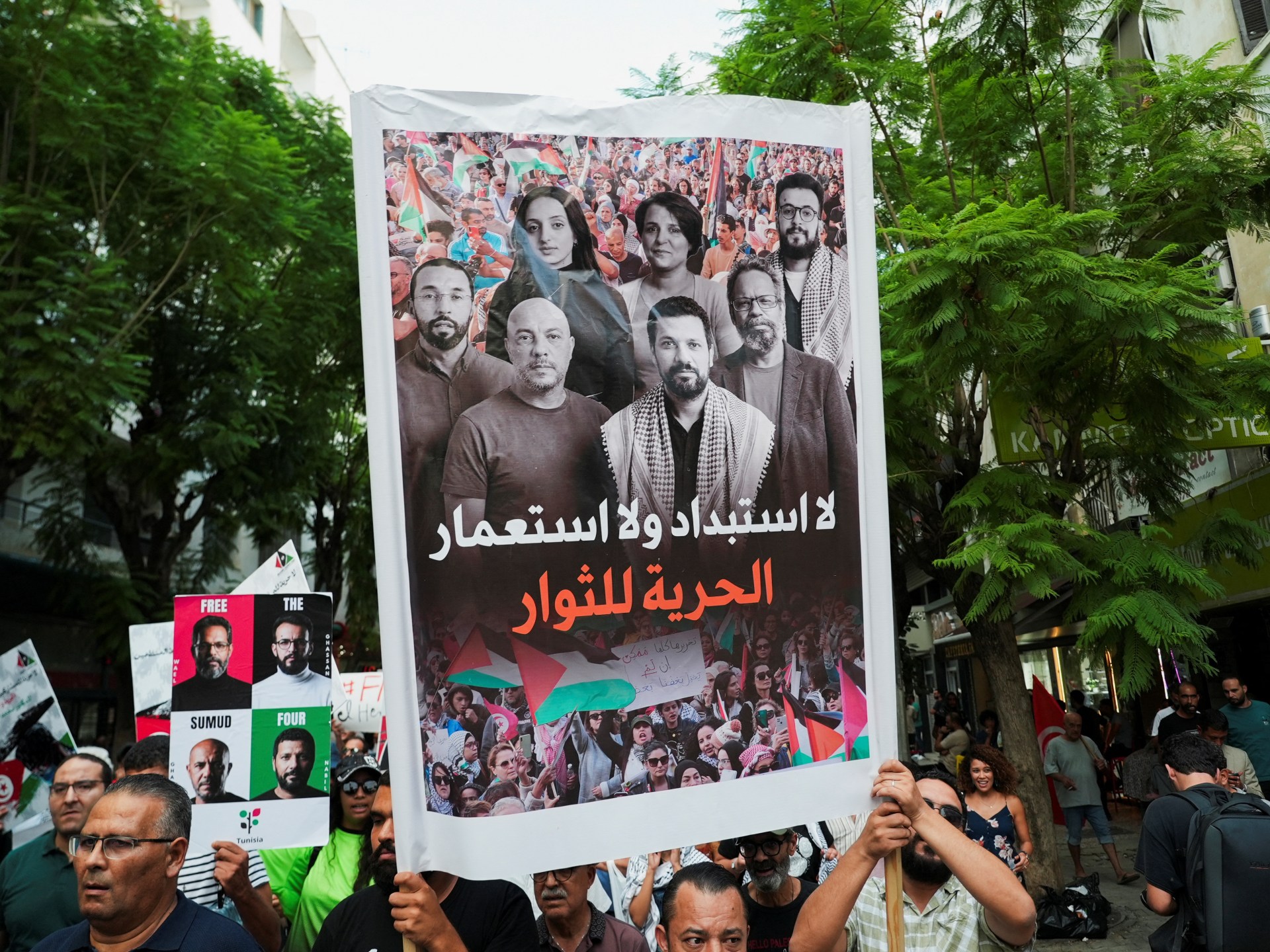
Imprisoned Gaza activist Wael Naouar has been hospitalized on his 39th day of a hunger strike in Tunisia, intensifying regional human rights concerns.
Geopolitical & Core Developments
The deteriorating health of imprisoned Gaza Sumud Flotilla activist Wael Naouar, who has been hospitalized on the 39th day of his hunger strike in a Tunisian detention facility, has triggered a severe domestic and international outcry. Naouar, a prominent voice within regional solidarity networks advocating for Palestinian causes, was detained amid a broader state crackdown on unsanctioned political activism and maritime mobilization efforts directed toward breaking the blockade on the Gaza Strip. The Gaza Sumud Flotilla coalition confirmed that Naouar's condition has reached a critical juncture, describing him as being on the verge of death following weeks of complete food refusal in protest of his arbitrary detention and the legal charges levied against him. Tunisian judicial authorities have faced mounting scrutiny over their handling of dissent, as the North African nation navigates its own complex internal political transition. Civil society organizations, local human rights defenders, and international advocacy groups have intensified calls for his immediate unconditional release and urgent medical intervention, framing his plight as a litmus test for freedom of expression and assembly within the region.
Global Trade & Economic Ripples
While the immediate crisis centers on human rights and political detention, ongoing disruptions tied to solidarity movements and maritime security in the Mediterranean basin carry substantial implications for regional commerce and maritime logistics. The detention of key activists and the heightened state surveillance of ports and coastal infrastructure across North Africa introduce operational friction for independent humanitarian missions and secondary maritime traffic. Although global energy markets and major commercial shipping lanes have not faced direct physical blockades stemming from this specific domestic standoff, insurance underwriters and shipping conglomerates continue to price in elevated geopolitical risk premiums across Mediterranean routes. The intersection of domestic security crackdowns and international solidarity campaigns creates an unpredictable operational environment for non-governmental organizations operating vessel charters, potentially delaying future maritime aid initiatives and altering supply chain risk assessments for operators transiting North African territorial waters.
Related Intelligence: Super El Nino Threatens Global Markets and Vulnerable Economies
International Reactions & Diplomatic Stances
The escalating crisis surrounding Naouar's hunger strike has drawn sharp rebukes from transnational human rights bodies and international legal monitors, who argue that Tunisia's detention practices violate fundamental international covenants on due process and peaceful assembly. Representatives from various multilateral organizations have expressed deep alarm over the physical toll of the extended hunger strike, urging Tunis to prioritize humanitarian considerations and adhere to international standards for the treatment of detainees. Meanwhile, regional diplomatic missions have closely monitored the situation, mindful of the delicate diplomatic balancing act required when domestic security measures intersect with deeply resonant pan-Arab solidarity movements. Market analysts tracking North African political stability note that prolonged civil unrest or widespread protests sparked by Naouar's potential deterioration could further weigh on investor sentiment and sovereign debt risk metrics for the country.
Strategic Outlook & Future Scenarios
Looking ahead, the trajectory of the crisis hinges heavily on whether Tunisian authorities opt for a pragmatic humanitarian resolution—such as granting a medical reprieve or dropping pending charges—or maintain a hardline stance against maritime solidarity networks. A failure to de-escalate risks catalyzing broader street protests within Tunisia and galvanizing international campaigns that could further strain the nation's diplomatic relations with European partners and global human rights organizations. As upcoming regional policy summits approach, the plight of detained solidarity activists is expected to feature prominently on the agenda of international NGOs lobbying for reform, serving as a critical barometer of civil liberties and state authority in the post-uprising Mediterranean landscape.
Join Our Official WhatsApp Channel
Receive live commodity alerts, policy changes, and commercial intelligence directly on WhatsApp.