
US Aviation Sanctions Cripple Iranian Air Corridors and Divert Commerce
Tightened US aviation sanctions are severely disrupting Iranian flight operations, forcing civilian travelers onto expensive overland routes and creating fresh friction across regional logistics networks.
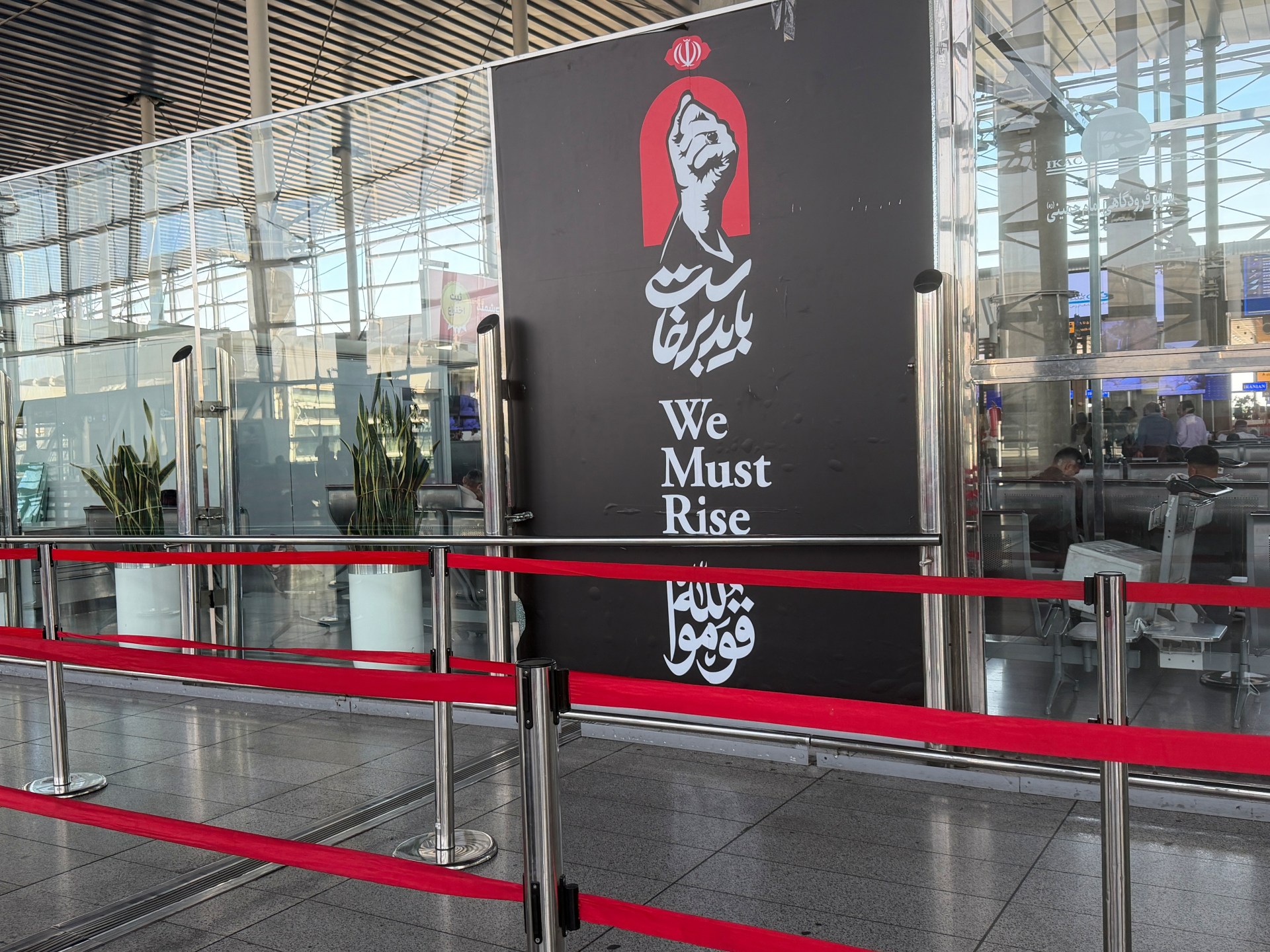
Geopolitical & Core Developments
The implementation of stringent United States aviation sanctions has fundamentally crippled Iran's commercial air sector, severing vital transit corridors and isolating domestic carriers from international aviation networks. Over recent months, the systematic denial of access to essential Western airspace, combined with sweeping restrictions on aircraft parts, maintenance supplies, and safety software updates, has grounded significant portions of Iran’s commercial fleet. For decades, Iranian airlines served as critical regional connectors linking Western Asia with parts of Europe, Central Asia, and the Caucasus. Today, the compounding weight of secondary sanctions has forced international partners and leasing agencies to sever ties, leaving domestic operators with aging, poorly maintained aircraft and shrinking operational ranges.
This deliberate squeeze on civil aviation marks a notable escalation in Washington's maximum-pressure strategy, shifting the locus of enforcement toward commercial transport and civilian mobility. As international carriers cancel flights into Iranian hubs and local airlines find themselves barred from major European and Middle Eastern flight paths, the structural integrity of Iran's transportation infrastructure faces unprecedented strain. The systematic denial of fuel, ground-handling services, and navigation rights abroad has turned routine international routes into logistical impossibilities, effectively stranding civilian transit systems within increasingly isolated national borders.
Global Trade & Economic Ripples
While ostensibly targeting state-aligned aviation networks, the cascading economic fallout of these sanctions extends far beyond passenger terminals, exerting tangible pressures on regional commerce and cross-border supply chains. With commercial flight frequencies slashed, the traditional belly-cargo capacity—utilized heavily for the rapid transport of perishable goods, high-value electronics, pharmaceuticals, and urgent industrial components—has evaporated. Importers and exporters who previously relied on direct air corridors now confront severe bottlenecks, forcing a costly pivot toward alternative shipping methods.
Consequently, civilian travelers and commercial agents alike are being pushed toward overland transit corridors linking Iran with neighboring Turkey, Iraq, Armenia, and Azerbaijan. This modal shift has dramatically inflated transit times and pushed logistics costs upward, as freight forwarders and passenger services compete for limited highway capacity. In commodity markets, the strain on regional transport networks feeds into broader inflationary pressures, amplifying the cost of cross-border trade. Furthermore, domestic currency volatility has worsened as businesses struggle to secure foreign exchange to finance alternative shipping routes, creating micro-economic distress that ripples through localized manufacturing and import-dependent sectors.
Related Intelligence: US Lawmakers Propose Sweeping AI Restrictions and Superintelligence Ban
International Reactions & Diplomatic Stances
International response to the tightening aviation restrictions remains deeply polarized, reflecting broader geopolitical fissures surrounding Western sanctions regimes. Washington maintains that these measures are essential to constrain state-sponsored proliferation networks and curb the misuse of commercial aviation for illicit military logistics. US officials argue that strict enforcement protects global aviation security and closes loopholes exploited by sanctioned entities.
Conversely, multilateral human rights monitors and regional trade organizations have raised urgent concerns regarding the humanitarian and civilian toll of sweeping sanctions. Representatives from international bodies note that restricting access to civil aviation parts directly compromises passenger safety, disproportionately burdening ordinary citizens rather than altering state behavior. European diplomatic circles have expressed quiet unease over the secondary compliance burdens placed on regional airports and refueling stations, many of which find themselves navigating complex regulatory minefields. Meanwhile, Tehran has condemned the restrictions as economic warfare designed to inflict maximum suffering on the civilian population, vowing to seek alternative bilateral arrangements with sympathetic regional partners to bypass Western-dominated financial and logistical networks.
Strategic Outlook & Future Scenarios
Looking ahead, the long-term trajectory of Iran's transportation sector points toward profound structural degradation and deeper integration with non-Western economic blocs. As traditional Western avenues for fleet modernization and airspace access remain firmly shut, Iranian authorities are accelerating efforts to source replacement parts through secondary markets and deepen technical cooperation with alternative manufacturing partners. However, these workaround solutions offer only a temporary palliative, failing to resolve fundamental safety and efficiency deficits.
The normalization of overland travel as the primary mode of international mobility suggests that regional trade corridors through the Caucasus and Central Asia will assume greater strategic importance. Upcoming diplomatic forums and regional summits are expected to focus heavily on cross-border transport facilitation, as neighboring states grapple with the influx of diverted passenger and cargo traffic. Unless a diplomatic breakthrough alters the current sanctions architecture, the ongoing isolation of Iran's aviation industry will solidify a permanent bifurcation in regional logistics, permanently altering how people and goods move across the Middle Eastern plateau.
Join Our Official WhatsApp Channel
Receive live commodity alerts, policy changes, and commercial intelligence directly on WhatsApp.