
Trilateral Defence Pact Takes Shape as Yemen Conflict Threatens Trade Routes
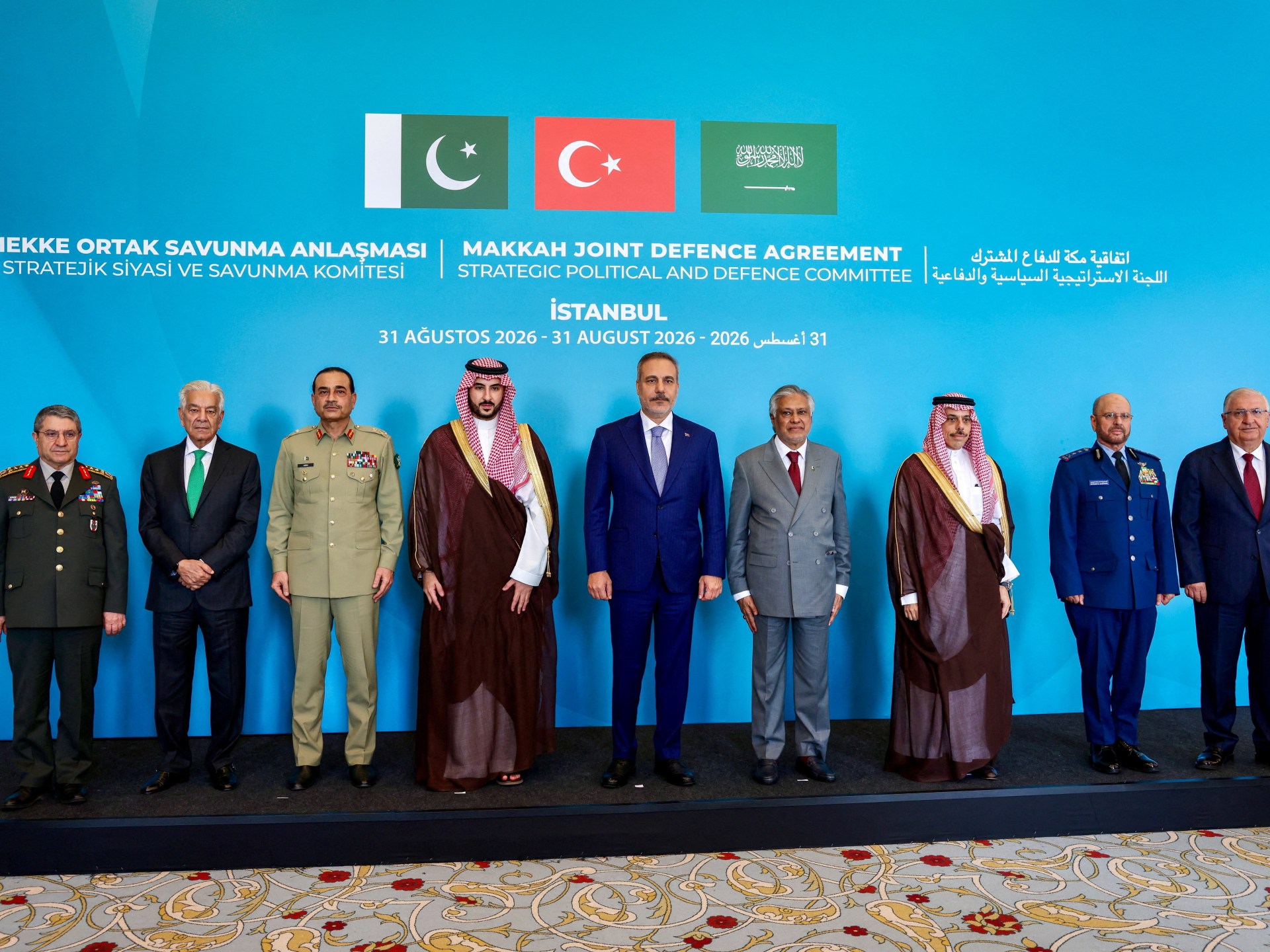
Saudi Arabia, Turkiye, and Pakistan are holding urgent trilateral talks to counter escalating Houthi violence in Yemen, a development with profound implications for Red Sea shipping lanes and international commodity markets.
Geopolitical & Core Developments
In a significant realignment of regional security architecture, military and diplomatic chiefs from Saudi Arabia, Turkiye, and Pakistan have initiated urgent high-level consultations to address the sharp escalation of armed conflict in Yemen. The intensification of fighting, driven by resurgent Houthi offensive operations, has directly challenged regional stability and prompted Riyadh, Ankara, and Islamabad to elevate their tripartite defense coordination. The discussions center on establishing a cohesive strategic framework that integrates Saudi Arabia's immediate territorial defense needs, Turkiye's advanced defense manufacturing capabilities, and Pakistan's extensive military operational expertise.
This emerging trilateral axis reflects a shared urgency among key Muslim-majority powers to project strategic stability independently of Western-led coalitions. As Houthi forces continue to deploy sophisticated asymmetric warfare tactics, including ballistic missiles and unmanned aerial vehicles targeting critical infrastructure, the allied capitals are forging intelligence-sharing mechanisms and joint tactical protocols. The diplomatic momentum underscores a growing consensus that conventional deterrence in the southern Arabian Peninsula requires diversified security partnerships capable of neutralizing multi-domain threats.
Global Trade & Economic Ripples
Beyond immediate security concerns, the escalation in Yemen poses an acute hazard to international commerce, casting a long shadow over global supply chains and energy markets. The Bab el-Mandeb strait, a vital maritime chokepoint connecting the Indian Ocean to the Red Sea and the Suez Canal, handles a substantial percentage of global container traffic and petroleum shipments daily. Persistent militant activity threatens to reroute international shipping around the African cape, inflating transit times, driving up bunker fuel costs, and triggering cascading freight rate hikes across global trade corridors.
Energy commodity markets remain particularly sensitive to these geopolitical friction points. Although direct production facilities have largely avoided catastrophic disruptions, the persistent threat to tanker transit introduces a permanent risk premium into Brent crude benchmarks. Industrial input procurement and liquefied natural gas shipments destined for European and Asian markets face increased insurance underwriting costs and routing delays. Consequently, multinational corporations are actively reassessing logistical risk exposures, pushing supply chain resilience to the forefront of corporate treasury and procurement strategies.
Related Intelligence: Saudi Missile Interceptions Threaten Red Sea Energy Corridors
International Reactions & Diplomatic Stances
The international community has monitored the trilateral security overtures with cautious interest, balancing concerns over militarization against the necessity of securing vital shipping lanes. Western capitals have privately welcomed enhanced regional burden-sharing, viewing the Saudi-Turkish-Pakistani alignment as a pragmatic step toward indigenous conflict containment. Conversely, multilateral bodies, including the United Nations, have reiterated calls for a comprehensive political settlement in Yemen, warning that military escalations risk exacerbating an already catastrophic humanitarian crisis and further destabilizing the Horn of Africa.
Market analysts and geopolitical risk consultancies suggest that the formalization of this defense pact could reshape regional power dynamics. While foreign policy experts note the inherent complexities of aligning three distinct military doctrines and foreign policy objectives, financial markets have priced in the necessity of a robust security umbrella to protect commercial assets operating within the Arabian Sea and Red Sea operational theatres.
Strategic Outlook & Future Scenarios
Looking ahead, the trajectory of the Saudi-Turkish-Pakistan partnership will likely be defined by the operational efficacy of their upcoming defense summits and joint military exercises. Should the alliance successfully deter maritime incursions and stabilize the Yemeni theater, it could serve as a permanent template for autonomous regional security cooperation. However, failure to contain the Houthi threat risks entrenched maritime blockades, persistent commodity price volatility, and potential retaliatory escalations that could draw wider international powers into a protracted regional confrontation.
Join Our Official WhatsApp Channel
Receive live commodity alerts, policy changes, and commercial intelligence directly on WhatsApp.