
Three Years of Devastation in Gaza Reshapes Middle East Stability
Three years of conflict in Gaza has devastated local infrastructure, displaced millions, and triggered profound disruptions across global trade and geopolitical alignments.
Geopolitical & Core Developments
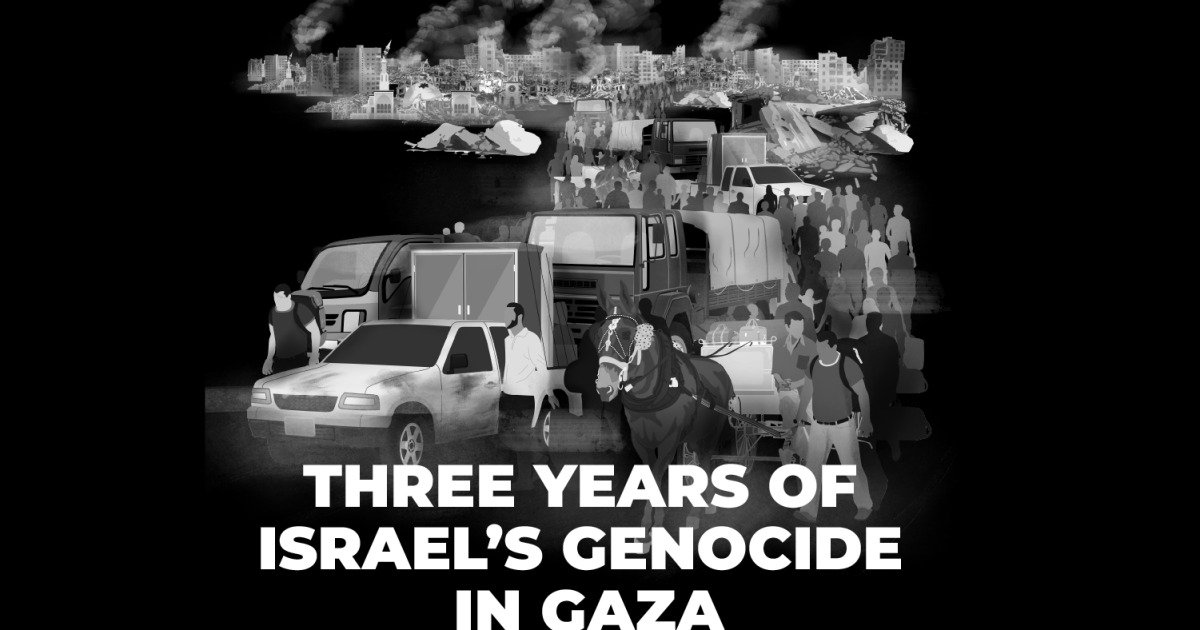
The ongoing conflict in the Gaza Strip has entered a grim milestone, marking three years of relentless military escalation that has fundamentally altered the geopolitical architecture of the Middle East. The humanitarian toll is catastrophic, with tens of thousands of casualties, widespread destruction of housing, and the near-total collapse of essential civic services, including healthcare, sanitation, and education. State actors across the region and international superpowers find themselves deeply polarized, as diplomatic channels fail to secure a lasting cessation of hostilities. The strategic stakes have expanded far beyond the immediate territorial boundaries of the conflict, drawing in proxy networks, naval coalitions, and regional powers, creating a persistent state of high alert across the Levant and the Gulf.
Global Trade & Economic Ripples
The reverberations of the Gaza crisis have extended deeply into global commodity markets, maritime commerce, and supply chain logistics. Persistent security threats along vital shipping lanes, particularly the Bab el-Mandeb strait and the Red Sea corridor, have forced major container shipping lines to reroute vessels around the Cape of Good Hope. This diversion has significantly increased transit times, inflated freight rates, and added upward pressure on global inflation. Energy markets have experienced episodic volatility, as traders price in the persistent risk of a wider regional conflagration involving key oil and gas producers in the Middle East. Furthermore, international trade in agricultural and manufactured goods has faced bottlenecks, demonstrating the vulnerability of modern just-in-time supply chains to localized geopolitical shocks.
Related Intelligence: Three Years of War in Gaza Reshapes Middle East Geopolitics and Commodity Markets
International Reactions & Diplomatic Stances
The international community remains profoundly divided over the trajectory and management of the crisis. The United Nations and various humanitarian agencies have repeatedly issued urgent warnings regarding famine, disease, and the systematic breakdown of international humanitarian law. While Western nations maintain varied stances on military assistance and diplomatic backing, the Global South has grown increasingly vocal in condemning the humanitarian catastrophe, leading to diplomatic friction in multilateral forums such as the UN General Assembly and the International Court of Justice. Market analysts note that these diplomatic fractures are accelerating de-dollarization discussions and prompting emerging economies to reassess their alignment with traditional Western-led security architectures.
Strategic Outlook & Future Scenarios
Looking ahead, the strategic outlook for the region remains fraught with uncertainty and downside risks. Upcoming diplomatic summits and international peace conferences face immense hurdles in forging a credible roadmap for post-conflict reconstruction, governance, and security guarantees. Escalation points remain active along multiple fronts, threatening to ignite broader state-on-state conflicts that could permanently impair global energy supplies and financial markets. Financial institutions and multinational corporations are actively stress-testing their operations against scenarios involving prolonged regional instability, institutional decay, and heightened protectionism in international trade.
Join Our Official WhatsApp Channel
Receive live commodity alerts, policy changes, and commercial intelligence directly on WhatsApp.