
West Bank Dispossession Accelerates Amid Global Trade and Security Risks
Escalating displacement of West Bank Bedouin communities deepens regional instability, compounding commercial risks and diplomatic friction across global commodity markets.
Geopolitical & Core Developments
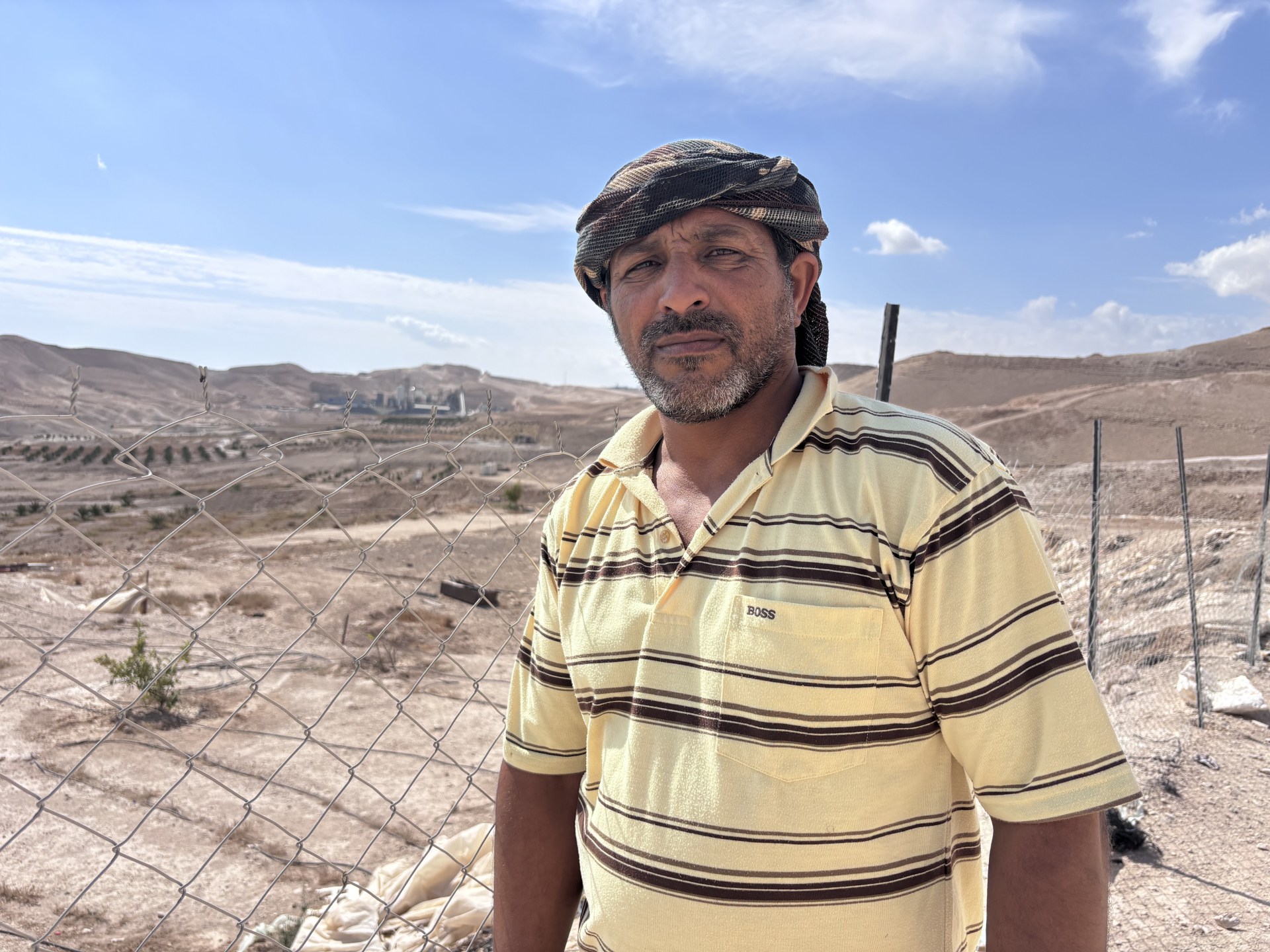
Over the past three years, the occupied West Bank has witnessed an unprecedented intensification of forced displacement targeting indigenous Bedouin communities. What local human rights monitors and displaced families describe as a systematic, state-backed campaign of transfer has fundamentally altered the demographic and territorial reality of Area C, which comprises over sixty percent of the West Bank. Israeli settler expansion, increasingly coordinated with administrative and security apparatuses, has utilized a combination of infrastructural blockades, cyclical violence, and bureaucratic land seizures to render traditional pastoralist livelihoods entirely untenable.
This deliberate redrawing of the territorial map represents a critical phase in the long-running Israeli-Palestinian conflict, shifting from localized land disputes to institutionalized fragmentation. Strategic high ground and agricultural corridors are progressively absorbed into expanding regional settlement blocs, severing contiguous Palestinian municipal planning and undermining the viability of any future sovereign state framework. For international observers, the acceleration of these measures signals a systemic disregard for international humanitarian law, specifically regarding the obligations of an occupying power towards protected civilian populations.
Global Trade & Economic Ripples
While the immediate human cost remains concentrated within marginalized rural communities, the broader economic and commercial implications radiate across global trade networks and regional investment portfolios. The West Bank economy, deeply intertwined with broader Levantine commerce, faces severe contraction, dampening domestic purchasing power and disrupting localized supply chains. More broadly, chronic instability in the eastern Mediterranean introduces persistent volatility premiums into global shipping insurance, maritime logistics, and regional energy infrastructure.
International commodity markets remain highly sensitive to sustained geopolitical friction in the Middle East. Although the West Bank itself is not a primary hydrocarbon exporter, the systemic escalation of violence risks igniting secondary fronts across the region, directly threatening vital maritime choke points such as the Red Sea and the Suez Canal. Persistent unrest dampens foreign direct investment across the Levant, forcing multinational corporations to re-evaluate risk exposure, re-route supply chains, and absorb escalating compliance and security costs that ultimately translate into higher consumer prices worldwide.
Related Intelligence: French Student Protests Expose Deepening Economic and Public Sector Strain
International Reactions & Diplomatic Stances
Global diplomatic posture toward the escalating West Bank crisis has grown increasingly fractured, complicating multilateral consensus. The United Nations and numerous European capitals have issued repeated condemnations, characterizing the settlement expansion and forced displacement as direct violations of Fourth Geneva Convention mandates. Several nations have instituted targeted visa restrictions and financial sanctions against violent extremist settlers, attempting to impose tangible diplomatic costs on the expansionist agenda.
Conversely, traditional strategic alliances have shielded the Israeli government from more comprehensive multilateral penalties, paralyzing the United Nations Security Council's capacity to enforce binding resolutions. Market analysts note that while Western allies express profound unease regarding the humanitarian trajectory, economic sanctions remain constrained by broader security partnerships and intelligence-sharing frameworks. This diplomatic paralysis emboldens local actors pursuing radical territorial changes, leaving multilateral institutions scrambling to manage humanitarian fallout rather than addressing root structural causes.
Strategic Outlook & Future Scenarios
Looking ahead, the trajectory of the West Bank points toward deeper integration of Area C into sovereign Israeli administrative frameworks, effectively foreclosing two-state resolution pathways. Upcoming international summits and diplomatic forums face mounting pressure from the Global South to address double standards in international law enforcement, threatening broader geopolitical alignments. Should diplomatic channels fail to impose effective deterrents, the risk of a synchronized regional escalation involving adjacent fronts remains critically high.
For global businesses and risk underwriters, the coming quarters will demand rigorous contingency planning. Insurance liabilities for regional operations will escalate, and corporate environmental, social, and governance (ESG) mandates will face stringent scrutiny regarding operations tied directly or indirectly to occupied territories. The ongoing dispossession is not merely a localized humanitarian crisis; it is a structural fault line reshaping the architecture of international diplomacy and global trade security.
Join Our Official WhatsApp Channel
Receive live commodity alerts, policy changes, and commercial intelligence directly on WhatsApp.