
Yemeni Forces Launch Major Taiz Offensive to Seize Strategic Red Sea Port
Yemeni forces have launched an aggressive military campaign to recapture the strategic al-Waziiya district in Taiz, threatening critical Red Sea shipping corridors.
Geopolitical & Core Developments
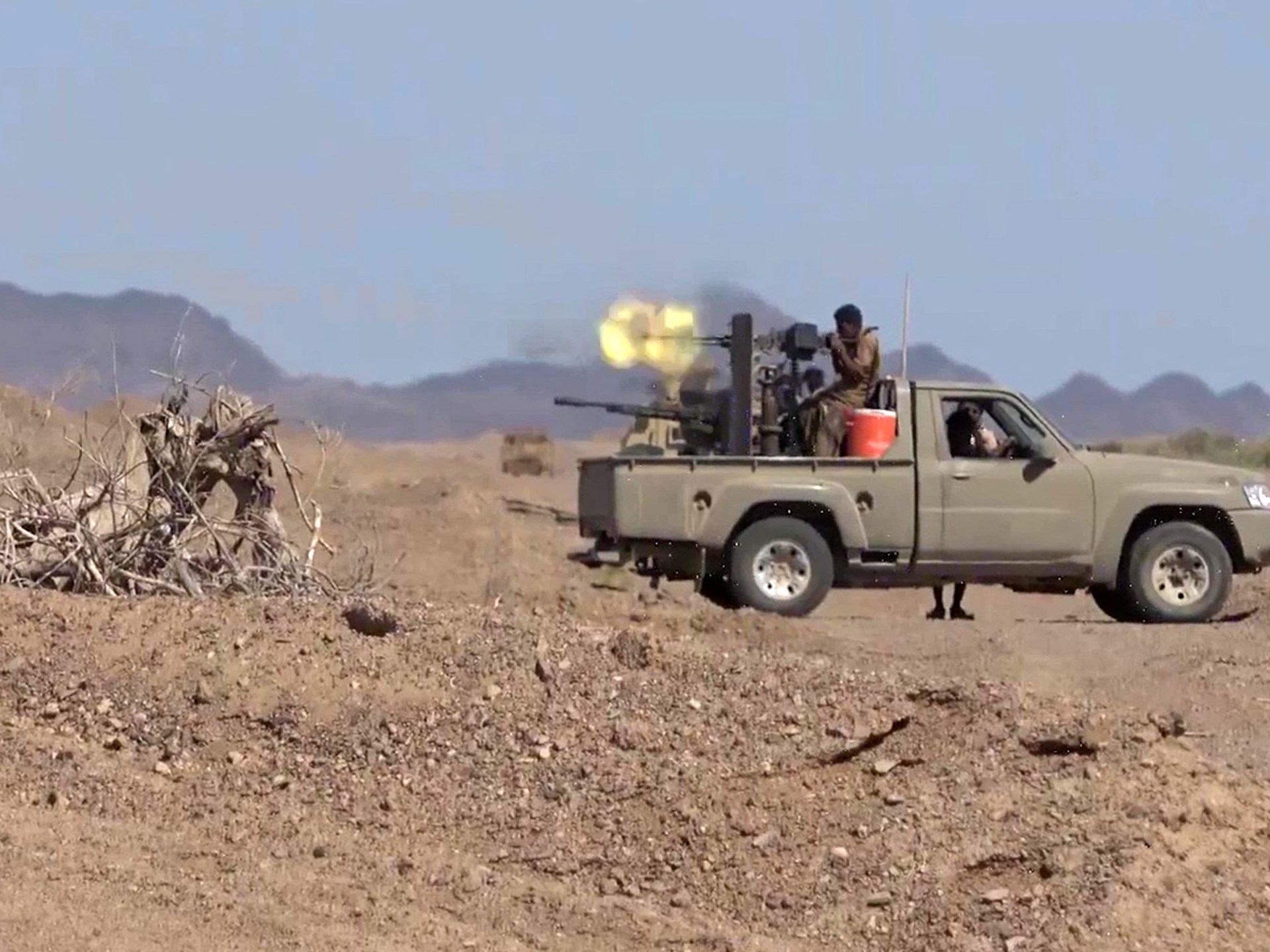
Yemeni government forces, aligned with regional coalition partners, have initiated a high-stakes military offensive aimed at reclaiming the mountainous al-Waziiya district situated within the contested southwestern province of Taiz. This strategic escalation follows the recent Houthi seizure of the vital Red Sea port of Mocha, a development that fundamentally altered the tactical balance along Yemen's critical coastline. Al-Waziiya's rugged terrain commands elevated approaches to the coastal plains, making it an indispensable staging ground for any sustained campaign to neutralize insurgent control over maritime choke points. Military analysts note that the offensive marks a renewed phase in Yemen's protracted civil conflict, shifting focus back toward vital logistical arteries that connect the interior highlands with international waterways. State actors and allied militias are committing significant armored and infantry assets to dislodge entrenched Houthi positions, resulting in intense artillery exchanges and mounting civilian displacement across the governorate.
Global Trade & Economic Ripples
The flare-up in Taiz and the surrounding coastal corridor carries profound implications for global trade and international energy markets. The Bab el-Mandeb strait, located just south of these contested zones, represents a crucial maritime bottleneck through which millions of barrels of crude oil and refined petroleum products transit daily toward the Suez Canal and European markets. Intensified fighting near Mocha and al-Waziiya heightens the perceived risk profile for commercial shipping companies, potentially driving up maritime war-risk insurance premiums and forcing vessel operators to contemplate costly, time-consuming diversions around the Cape of Good Hope. Commodity traders are closely monitoring developments, cognizant that any disruption to navigation in the southern Red Sea directly impacts global supply chain resilience, inflates freight rates, and introduces unnecessary volatility into international energy and agricultural pricing structures.
Related Intelligence: French Nationwide Protests Disrupt Markets and Test State Authority
International Reactions & Diplomatic Stances
International bodies and diplomatic missions have responded to the renewed hostilities with mounting alarm, urging immediate de-escalation to prevent a wider regional conflagration. United Nations special envoys have reiterated that sustained military maneuvers undermine fragile peace initiatives and exacerbate an already catastrophic humanitarian crisis within the war-torn nation. Multilateral trade organizations and maritime security groups have issued advisories to commercial vessel operators navigating the southern Red Sea and the Gulf of Aden, recommending heightened vigilance and defensive routing protocols. Western capitals and regional powers have expressed concern that renewed fighting in Taiz could derail ongoing back-channel diplomatic efforts, emphasizing that a durable political settlement remains the only viable path to securing regional shipping lanes and stabilizing the broader Middle Eastern geopolitical landscape.
Strategic Outlook & Future Scenarios
As the military campaign in al-Waziiya unfolds, the immediate trajectory of the conflict hinges on the capacity of government forces to secure and hold high-altitude positions against entrenched insurgent resistance. A successful offensive could isolate Houthi supply lines and pave the way for a counter-offensive to retake Mocha, thereby restoring state authority over a premier Red Sea port. Conversely, a prolonged stalemate or successful insurgent defense would entrench Houthi dominance along the southwestern littoral, cementing a permanent threat to international maritime transit. Upcoming diplomatic summits and emergency meetings of the UN Security Council will likely focus on establishing localized ceasefires to protect humanitarian access and safeguard critical commercial navigation channels against collateral damage.
Join Our Official WhatsApp Channel
Receive live commodity alerts, policy changes, and commercial intelligence directly on WhatsApp.