
Three Years of War in Gaza Reshapes Middle East Geopolitics and Commodity Markets
Three years of devastating conflict in Gaza have fundamentally altered regional geopolitics, fractured international supply chains, and introduced permanent volatility into global commodity and energy markets.
Geopolitical & Core Developments
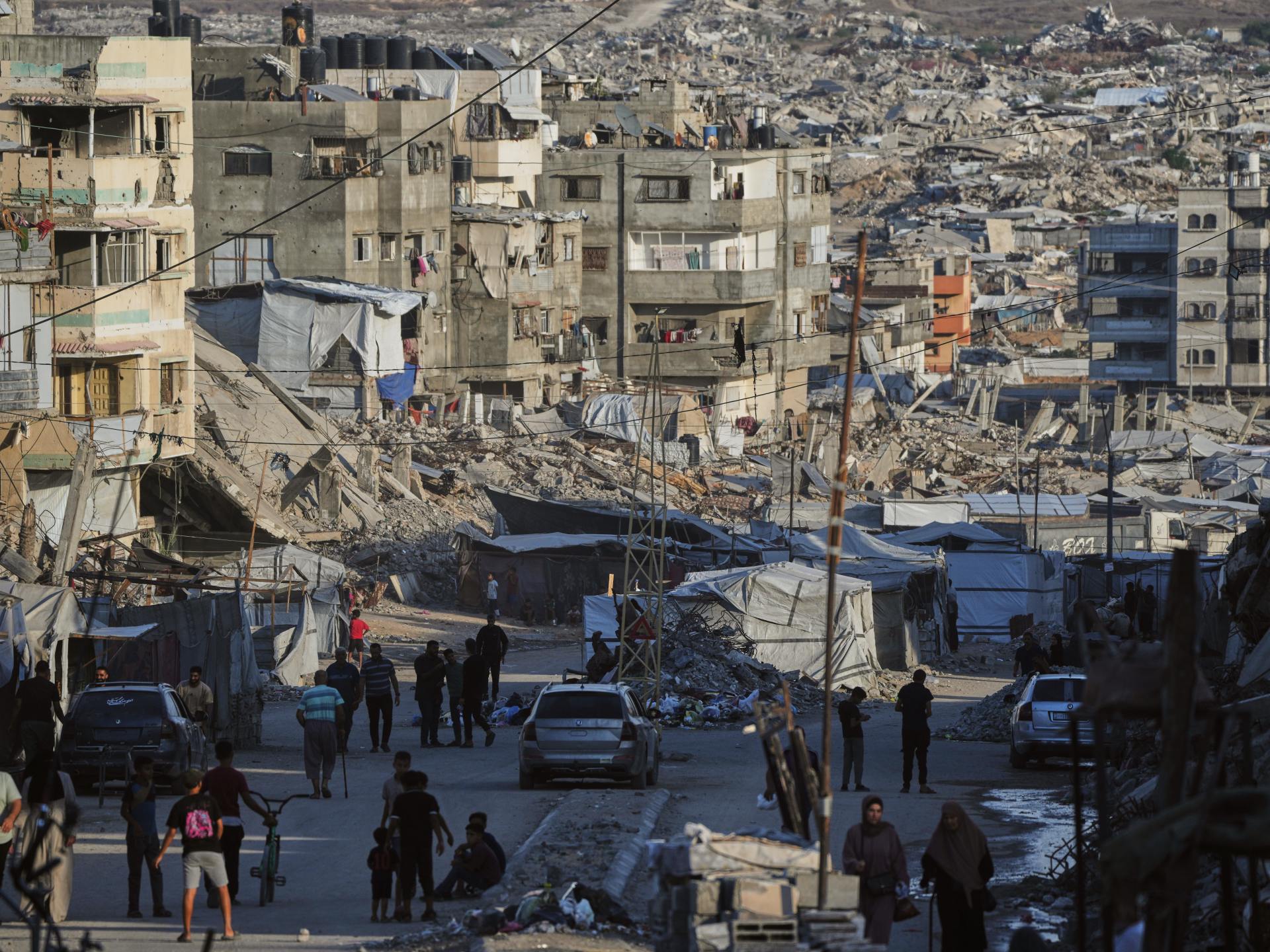
The protracted military campaign in Gaza, now entering its fourth year, has fundamentally reshaped the geopolitical architecture of the Middle East. What began as an acute regional crisis has evolved into a chronic systemic shock, altering long-standing diplomatic alignments and security doctrines across the Levant and the Gulf. State actors have increasingly militarized economic corridors, while diplomatic channels remain deadlocked over governance frameworks for the enclave. The sheer scale of infrastructural devastation—spanning municipal services, urban housing, and administrative apparatuses—has created a permanent vacuum that complicates post-conflict stabilization planning. Strategic stakes for external powers have risen significantly, as the prolonged hostilities test the resilience of international alliances and provoke a re-evaluation of security guarantees across the broader Mediterranean and West Asian theaters.
Global Trade & Economic Ripples
The commercial fallout from the conflict extends far beyond the immediate blast radius, reverberating through global trade arteries and commodity exchanges. Persistent security threats along critical maritime chokepoints, particularly the Bab el-Mandeb strait and the Red Sea corridor, have forced major container shipping lines to reroute vessels around the Cape of Good Hope. This navigational shift has added weeks to transit times between Asian manufacturing hubs and European consumer markets, structurally elevating freight rates and maritime insurance premiums. Energy markets have experienced heightened pricing volatility, with traders continuously pricing in the risk of regional escalation involving major crude producers. Furthermore, agricultural and industrial supply chains face localized bottlenecks, reinforcing inflationary pressures across advanced and developing economies alike as input costs remain elevated.
Related Intelligence: Yemeni Forces Launch Major Taiz Offensive to Seize Strategic Red Sea Port
International Reactions & Diplomatic Stances
Multilateral institutions, led by the United Nations and various regional blocs, have struggled to formulate a cohesive response capable of halting the humanitarian crisis and mitigating its economic spillovers. While the UN Security Council has repeatedly debated enforcement mechanisms, deep-seated geopolitical divisions among permanent members have constrained decisive action. Western capitals continue to balance traditional strategic alliances with mounting domestic and international pressure to condition military and diplomatic support. Conversely, nations across the Global South have increasingly leveraged multilateral forums to denounce the economic and humanitarian toll, accelerating a broader realignment in international diplomacy. Financial analysts and sovereign risk rating agencies have adjusted their outlooks for the Middle East, pricing in a permanent premium for sovereign debt and foreign direct investment across the wider region.
Strategic Outlook & Future Scenarios
Looking ahead, the trajectory of the crisis points toward prolonged instability with systemic implications for global commerce. Upcoming international summits and diplomatic conferences face the daunting task of addressing not only immediate humanitarian relief but also the multi-billion-dollar reconstruction financing required for Gaza. Escalation points remain dangerously acute, with the risk of secondary conflicts involving state and non-state proxies threatening to permanently sever critical energy and data pipelines. Sanctions regimes, trade restrictions, and technological decoupling are likely to intensify as economic statecraft replaces traditional diplomacy. For global corporations and institutional investors, navigating this volatile landscape requires robust supply chain diversification and rigorous geopolitical risk assessment to hedge against future black-swan disruptions originating in the Middle East.
Join Our Official WhatsApp Channel
Receive live commodity alerts, policy changes, and commercial intelligence directly on WhatsApp.