
Tehran Outlines Peace Conditions as Saudi Interception Underscores Widening Gulf Conflict
Tehran has conditioned peace talks on an immediate cessation of military hostilities and the termination of the US naval blockade, even as Saudi air defenses neutralized an aerial strike aimed at Riyadh.
Geopolitical & Core Developments
Tensions across the Middle East reached an acute juncture this week following coordinated strategic pronouncements from Tehran and defensive military engagements in Riyadh. Iran's senior national security leadership issued an explicit framework for peace, conditioning any durable cessation of hostilities on two non-negotiable prerequisites: an immediate, comprehensive end to military operations across all regional fronts and the complete dissolution of the United States naval blockade operating in adjacent international waterways. The posture reflects Tehran's calculated effort to link localized skirmishes with broader regional maritime containment maneuvers.
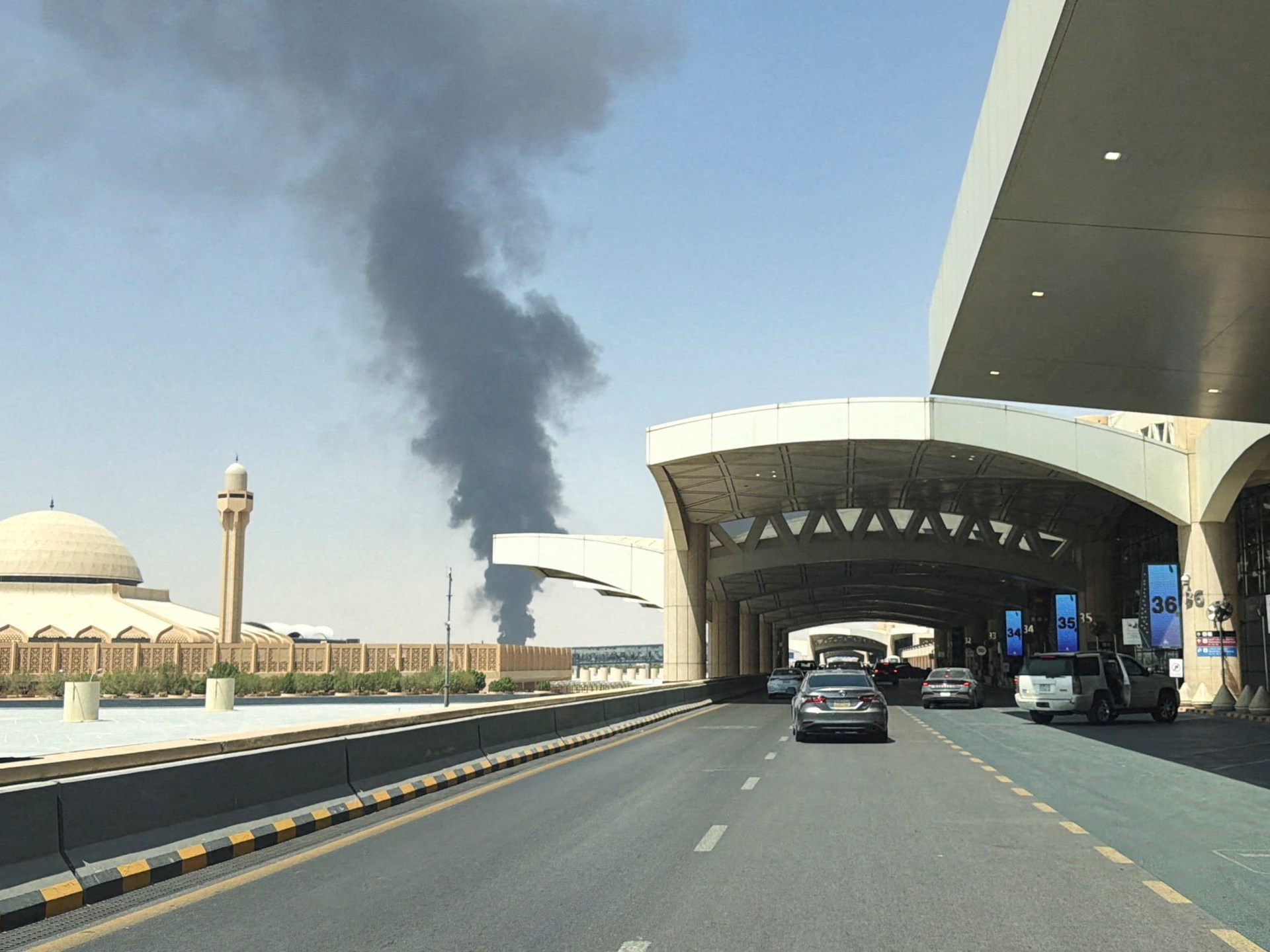
Simultaneously, regional fragility was exposed as Royal Saudi Air Defense forces successfully intercepted an inbound aerial offensive directed at Riyadh. While municipal infrastructure sustained no critical damage, the foiled strike represents an alarming breach of strategic equilibrium in the Arabian Peninsula. The simultaneous rollout of diplomatic conditions from Tehran alongside attempted kinetic strikes against Gulf sovereign capitals illustrates a high-stakes strategy of coercive diplomacy, as Iran and its regional network seek to elevate the cost of continued containment for Washington and its Gulf allies.
Global Trade & Economic Ripples
The dual developments sent immediate shockwaves through global energy and commodity markets. International crude benchmarks reacted swiftly, with Brent crude and West Texas Intermediate registering heightened volatility as traders factored in an expanded geopolitical risk premium. Analysts note that Tehran's demand for an end to US maritime enforcement directly touches upon the security of critical sea lanes, most notably the Strait of Hormuz, through which roughly one-fifth of global petroleum consumption passes daily.
Marine underwriters have responded by reviewing additional war risk premiums for commercial vessels navigating the Persian Gulf, the Gulf of Oman, and southern Red Sea corridors. Rising transit risks threaten to further disrupt bulk shipping, exacerbating elevated operational expenses across global supply networks. Beyond hydrocarbons, the commercial disruption poses downstream implications for agricultural and chemical markets. The Persian Gulf remains a principal production hub for nitrogen fertilizers and petrochemical intermediates; sustained maritime frictions risk hampering bulk export shipments to key import-dependent economies across South Asia and Europe, compounding global inflationary pressures.
International Reactions & Diplomatic Stances
Official reactions from global capitals underscored deep divisions regarding path-to-peace viability. In Washington, defense officials rejected Tehran's demands as unfeasible, reaffirming the US Navy's commitment to maintaining freedom of navigation and executing defensive deterrence operations alongside allied forces in the Fifth Fleet area of operations. Concurrently, the Gulf Cooperation Council issued a stern condemnation of the attempted attack on Riyadh, characterizing the aggression as a destabilizing provocation that undermines regional security frameworks.
Multilateral bodies, including the United Nations, issued renewed calls for restraint, urging stakeholders to prioritize de-escalation mechanisms over kinetic posturing. Major Asian energy importers, including Beijing and Tokyo, voiced deep apprehension regarding maritime corridor security, with Chinese diplomatic envoys calling for an immediate de-escalation of tensions to safeguard commercial shipping lanes. Market analysts interpret Iran's public preconditions not as an imminent peace accord, but as a tactical bid to establish leverage ahead of anticipated indirect mediation mediated through regional intermediaries like Oman and Qatar.
Strategic Outlook & Future Scenarios
The strategic trajectory over the coming quarter remains exceptionally narrow. In the absence of formal diplomatic off-ramps, the standoff is prone to cycles of calibrated asymmetric retaliation and potential miscalculation. Should the United States maintain its maritime blockade posture while Tehran insists on uncompromising terms, commercial shipping will likely face ongoing harassment, clandestine drone activity, and electronic warfare interference across critical maritime chokepoints.
Conversely, backchannel diplomatic engagements in Muscat or Doha could yield localized de-escalation protocols, particularly if Gulf states seek to decouple territorial defense from broader US-Iranian strategic confrontation. However, any kinetic strike that breaches urban or critical energy infrastructure—reminiscent of the 2019 Abqaiq-Khurais episode—would precipitate severe market adjustments, prompting coordinated defensive deployments and potentially triggering retaliatory strikes against sovereign military assets.
Join Our Official WhatsApp Channel
Receive live commodity alerts, policy changes, and commercial intelligence directly on WhatsApp.