
Tech Insider Dissent Over Apocalyptic AI Scenarios Challenges Global Regulatory Models
Dissent among leading artificial intelligence engineers over apocalyptic risk narratives is challenging Western regulatory proposals, shifting diplomatic focus toward open-source innovation, energy infrastructure, and market concentration.
Geopolitical & Core Developments
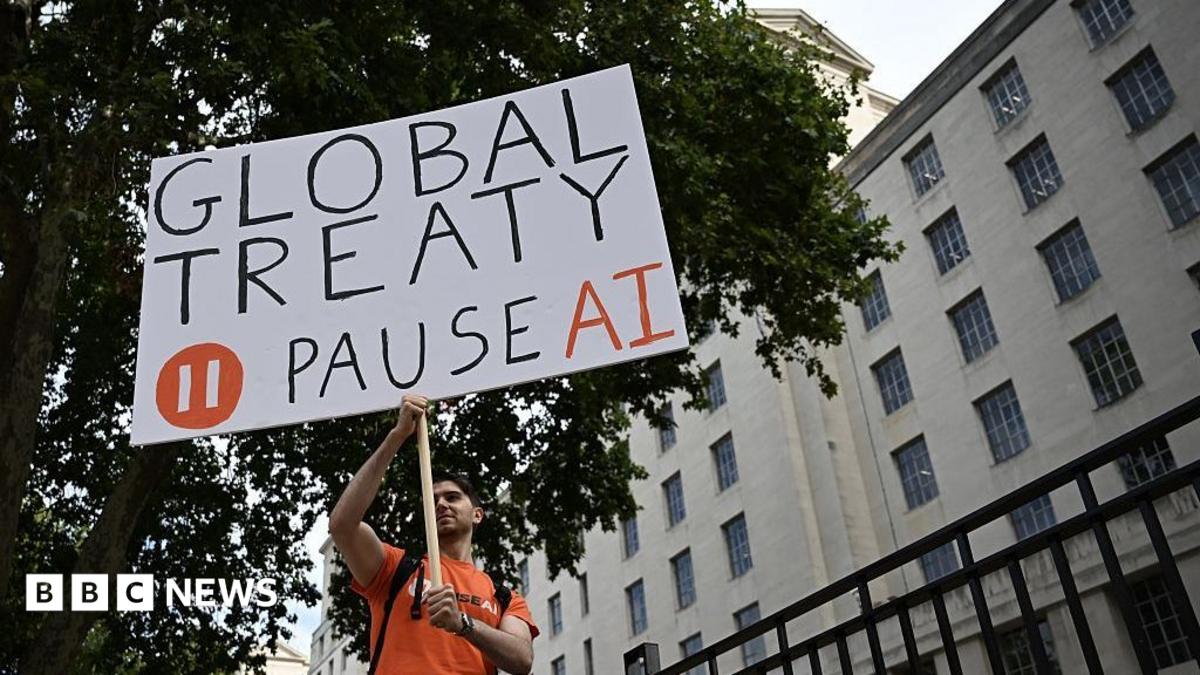
A growing schism among elite artificial intelligence practitioners and engineers is reshaping the global debate on technological governance. While corporate executives and high-profile researchers have frequently warned multilateral forums that frontier systems could precipitate human extinction, a substantial cohort of engineers and former personnel from tier-one firms—including OpenAI, Meta, and Google DeepMind—are openly challenging the existential risk narrative. Insiders argue that apocalyptic warnings, often referred to as artificial intelligence doomerism, distract from tangible near-term priorities such as algorithmic accountability, computational monopolies, and industrial workforce dislocation.
More strategically, critics assert that cataclysmic rhetoric has been leveraged by dominant Western technology conglomerates to advance regulatory capture, encouraging state intervention that entrenches incumbent market share while penalizing open-source research and emerging-market competitors. This intellectual fracture arrives at a delicate juncture for international diplomacy, as Washington and Beijing contest technological supremacy across the semiconductor supply chain and artificial intelligence infrastructure. By framing artificial intelligence primarily as an existential weapon rather than a foundational commercial tool, major powers risk adopting restrictive export and compute regimes that consolidate industrial authority within a handful of state-aligned corporate entities.
Global Trade & Economic Ripples
The debate over artificial intelligence risk extends directly into sovereign fiscal policies, energy markets, and international trade flows. As hyperscale data center buildouts accelerate across North America, Europe, and the Middle East, capital expenditure has surged into electrical grid infrastructure, advanced semiconductors, and critical materials. Global commodity markets are increasingly dictated by the physical requirements of computational processing. Copper demand has rallied alongside requirements for power transmission lines, data center busbars, and distribution equipment, while natural gas and nuclear energy developers are negotiating long-term power purchase agreements with technology firms.
Should regulatory frameworks pivot away from speculative existential licensing regimes toward open-weight computational standards, capital flows could shift toward decentralization and smaller, highly efficient models. Such an evolution would alter international demand curves for high-bandwidth memory, rare earth elements utilized in specialized cooling systems, and sovereign compute facilities being constructed across the Gulf Cooperation Council and Southeast Asia. Conversely, if alarmist frameworks prevail, cross-border technology licensing will tighten, imposing severe frictions on international digital services trade and semiconductor distribution.
Related Intelligence: Kohat Police Lines Breach Exposes Supply Chain and Security Vulnerabilities
International Reactions & Diplomatic Stances
Multilateral institutions and sovereign governments remain deeply divided on how to codify artificial intelligence safeguards without stifling industrial competitiveness. The European Union, currently implementing its comprehensive Artificial Intelligence Act, faces scrutiny from domestic champions such as France's Mistral AI, which warn that overzealous constraints based on worst-case existential paradigms will handicap European technological autonomy. In Washington, congressional committees are navigating competing testimony: frontier lab leadership urging federal licensing bodies, set against engineering coalitions warning that restrictive oversight will forfeit technological parity to geopolitical rivals.
Meanwhile, the United Nations High-Level Advisory Body on Artificial Intelligence has increasingly emphasized equitable access and governance over speculative extinction scenarios, warning against a digital divide that excludes the Global South from computational capabilities. Diplomatic envoys from Beijing have maintained a pragmatic posture at multilateral gatherings, prioritizing domestic system stability, algorithmic governance, and domestic compute self-reliance while rejecting Western-dominated safety cartels that seek to limit developing nations from sovereign model deployment.
Strategic Outlook & Future Scenarios
Over the coming quarters, the erosion of the unified existential risk consensus will directly influence high-level international policy frameworks. As nations prepare for subsequent multilateral discussions following the Seoul AI Safety Summit and upcoming G7 sessions, standard-setting bodies will face mounting pressure to delineate empirical safety testing from speculative catastrophic deterrence. The immediate battleground will focus on compute thresholds and multilateral export controls administered through the United States Department of Commerce.
If skepticism toward existential threats gains further traction among rank-and-file technical talent, legislative appetite for centralized compute registries and mandatory frontier model shutdowns may recede in favor of antitrust scrutiny and infrastructure resilience. Conversely, any major autonomous cyber incident or state-backed disinformation campaign could abruptly revitalize calls for state-mandated moratoriums. For global enterprise and market participants, the outcome will dictate whether artificial intelligence development remains concentrated within a guarded geopolitical oligopoly or diffuses across open, international supply chains.
Join Our Official WhatsApp Channel
Receive live commodity alerts, policy changes, and commercial intelligence directly on WhatsApp.