
Super El Nino Strengthens to Unprecedented Levels, Threatening Global Supply Chains
A record-breaking 'Super El Nino' has reached unprecedented levels, disrupting critical shipping routes, triggering agricultural commodity volatility, and exacerbating food security risks across vulnerable developing economies.
Geopolitical & Core Developments
Meteorological monitoring agencies and climate scientists have confirmed that the prevailing El Nino Southern Oscillation (ENSO) phase has surged to unprecedented levels, crossing established historical benchmarks to attain 'Super El Nino' status. Characterized by prolonged, anomalously high sea surface temperatures across the central and eastern equatorial Pacific Ocean, the phenomenon has surpassed the intensity profiles recorded during the historic 1997-1998 and 2015-2016 cycles.
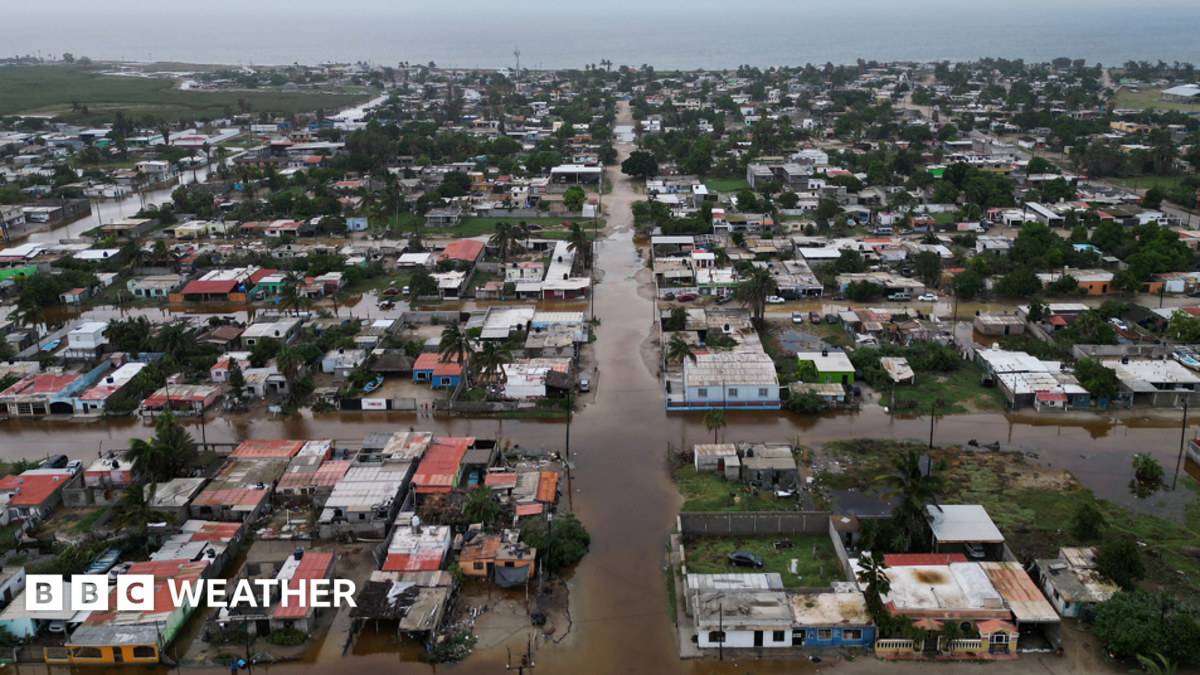
The rapid intensification has mobilized sovereign governments across the Asia-Pacific, the Americas, and Southern Africa. State emergency bodies are recalibrating civil protection infrastructure in response to erratic weather extremes ranging from severe prolonged droughts in Southeast Asia to devastating flash floods along western South America. With thermal energy anomalies breaking historical records, diplomatic forums and climate disaster mitigation agencies are treating the weather pattern not merely as a seasonal anomaly, but as a compounding destabilizer of regional resilience.
Global Trade & Economic Ripples
The commercial implications of a historically severe El Nino are already reverberating through global supply chains, energy networks, and commodity bourses. Agricultural markets face substantial headwinds; major staple crops including rice, palm oil, coffee, and sugar are witnessing supply contractions due to deficient precipitation in key producing nations such as India, Thailand, and Indonesia. These supply side shocks threaten to rekindle food inflation across import-dependent developing nations.
Concurrently, critical maritime corridors are under operational strain. Prolonged drought across Central America has severely reduced the freshwater reservoirs supplying the Panama Canal, leading to protracted transit restrictions and escalating demurrage surcharges for dry bulk and container shipping. Furthermore, the disruption extends to the power sector. Latin American economies heavily reliant on hydroelectric generation are facing grid instability, compelling governments to ramp up imports of liquefied natural gas (LNG) and diesel to offset hydro shortfalls, exerting upward pressure on global benchmark fuel prices.
Related Intelligence: IMF Urges Developing Nations to Cut Spending Amid Iran Conflict Shock
International Reactions & Diplomatic Stances
Multilateral bodies have issued stark assessments regarding the broader socio-economic fallout. The United Nations Food and Agriculture Organization (FAO) and the World Food Programme (WFP) have sounded the alarm over deteriorating food availability across sub-Saharan Africa and Central America's Dry Corridor, where crop failures threaten millions with severe acute food insecurity.
At recent economic working groups, delegates from the G20 and International Monetary Fund (IMF) highlighted the climate shock as an asymmetric macro-fiscal threat that could derail central bank attempts to manage global inflation targets. Market analysts at major commodity trading houses echo these concerns, pointing out that national export restrictions—such as non-tariff barriers on essential grain shipments—could exacerbate protectionist tendencies in international trade corridors.
Strategic Outlook & Future Scenarios
Over the coming quarters, the trajectory of this Super El Nino will likely follow one of several high-impact paths. The base-case scenario forecasts sustained ocean temperature anomalies persisting through mid-year before a potential transition to an equally aggressive La Nina cycle. Such rapid whiplash conditions would severely undermine consecutive agricultural planting seasons.
In the near term, bilateral tension over natural resources and food export quotas is expected to intensify. Multilateral development banks will face surging sovereign requests for emergency climate-adaptation financing and structural disaster relief facilities. As global logistics operators and agricultural traders price in protracted disruptions, the convergence of climate extremes and existing geopolitical frictions will remain a dominant volatility catalyst across international commodity and debt markets.
Join Our Official WhatsApp Channel
Receive live commodity alerts, policy changes, and commercial intelligence directly on WhatsApp.