
Flash Floods Strand Foreign Trekkers in Nepal Exposing Himalayan Vulnerabilities
Torrential flash floods have stranded over 100 foreign trekkers in Nepal's Gorkha district, destroying key bridges and trails while highlighting growing economic and logistical vulnerabilities across the Himalayan region.
Geopolitical & Core Developments
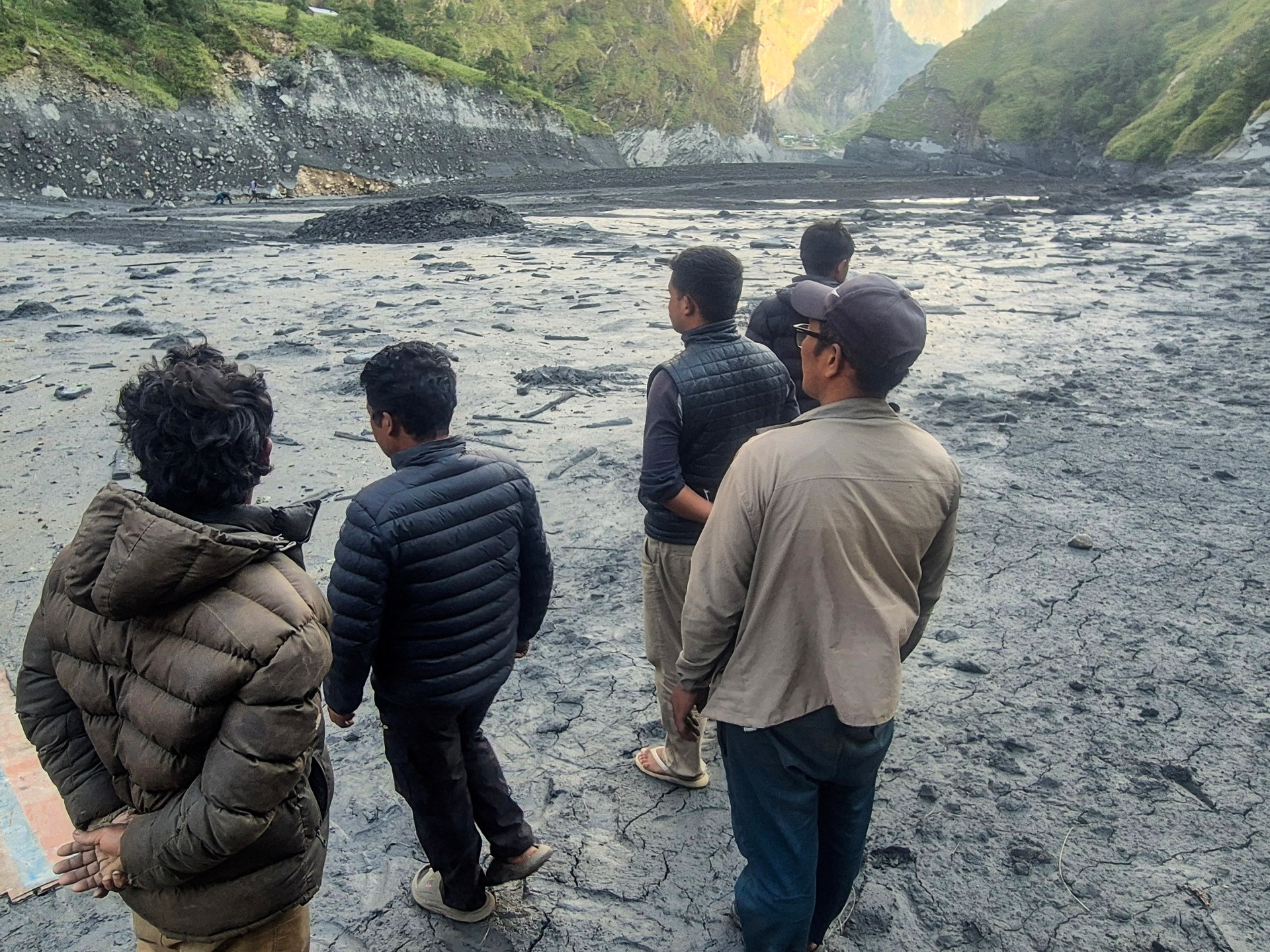
A critical emergency response operation is currently underway in Nepal's northern Gorkha district after catastrophic flash floods and landslides swept through the fragile Manaslu conservation region. Torrential rains overwhelmed local river tributaries, washing away residential dwellings, vital suspension bridges, and extensive segments of the popular Manaslu trekking trail. Local administrative authorities confirmed that more than 100 international trekkers, accompanied by dozens of domestic guides and support personnel, remain marooned in high-altitude zones as ground access remains completely severed.
The Nepalese government, operating through the Ministry of Home Affairs and the Armed Police Force, has mobilized disaster management teams alongside private aviation operators to conduct aerial reconnaissance and extraction missions. However, persistent adverse weather, high cloud cover, and degraded terrain have complicated helicopter evacuations. The incident underscores the severe structural exposure of mountainous frontier states to climate-induced volatility. Situated between regional giants India and China, Nepal's borderland districts serve as critical ecological buffers and nascent bilateral transit corridors, making localized infrastructure collapse a matter of broader strategic concern.
Global Trade & Economic Ripples
While the primary human impact remains centered on eco-tourism and civilian safety, the disruption carries direct economic repercussions for South Asia's cross-border logistics and fiscal stability. Tourism constitutes one of Nepal's largest sources of foreign exchange reserves, directly supporting liquidity in commercial banking and service sectors that depend on capital inflows to finance essential imports. The sudden destruction of infrastructure in key trekking corridors threatens peak autumn tourism revenues, driving risk premiums higher for international travel operators, regional aviation insurers, and cross-border logistics firms.
Beyond leisure sectors, severe hydrological shocks in the upper Himalayas disrupt northern commercial corridors linking Nepal with China's Tibet Autonomous Region. Landslides and bridge failures frequently block secondary freight arteries, interrupting localized trade flows in construction materials, agricultural produce, and consumer electronics. Furthermore, the persistent siltation and riverbed volatility resulting from such deluges threaten regional run-of-the-river hydroelectric projects. Because Nepal increasingly exports surplus electricity to the Indian subcontinental grid, localized infrastructure degradation in major watershed basins introduces operational volatility to regional energy markets and bilateral power purchase agreements.
Related Intelligence: Rehman Baba Express Derails Near Multan, Disrupting Critical Transport Corridors
International Reactions & Diplomatic Stances
Foreign embassies in Kathmandu, representing European, North American, and East Asian nationals stranded along the circuit, have established coordination cells with Nepal's foreign ministry to monitor rescue operations. Consular representatives have called for accelerated aerial evacuations and accurate tracking of expatriate citizens.
Multilateral development bodies, including representatives from the United Nations Development Programme and regional climate policy institutes, noted that the frequency of unseasonal flooding in the Hindu Kush Himalaya is accelerating. Analysts emphasize that developing mountain economies face disproportionately high infrastructure maintenance overheads, calling upon multilateral financing facilities to operationalize loss-and-damage funds established at recent global climate negotiations.
Strategic Outlook & Future Scenarios
The immediate priority remains the tactical extraction of stranded travelers and the delivery of critical medical aid. Over the medium term, Kathmandu faces an urgent mandate to rehabilitate critical transit infrastructure before seasonal trade windows narrow. Failure to rebuild resilient transport corridors could severely depress winter economic activity across northern districts.
In the broader strategic context, recurring disruptions of this scale will force regional actors to reconsider infrastructure standards for trans-Himalayan connectivity projects under regional development frameworks. As extreme weather events increasingly imperil trade connectivity, energy transmission lines, and revenue-generating eco-tourism, South Asian policymakers will likely demand more binding climate adaptation financing and regional disaster-response pacts during upcoming international summits.
Join Our Official WhatsApp Channel
Receive live commodity alerts, policy changes, and commercial intelligence directly on WhatsApp.