
IMF Urges Developing Nations to Cut Spending Amid Iran Conflict Shock
The IMF warned developing nations facing energy shocks from the Iran conflict that they must curtail public spending or risk sovereign debt restructuring.
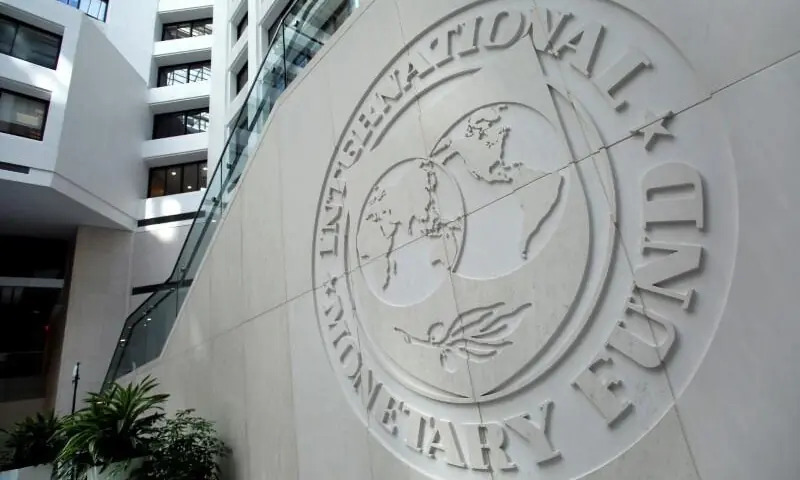
The Core Development
The International Monetary Fund issued a stark warning to low-income and emerging market economies, cautioning that escalating regional hostilities involving Iran have triggered a severe energy shock that leaves governments with virtually no fiscal leeway. Speaking on the sidelines of the fund's Annual Meetings in Bangkok, IMF Deputy Director of Research Petya Koeva Brooks outlined the compounding threats facing fragile states. According to multilateral officials, years of successive external shocks have pushed sovereign debt burdens to historic highs, eliminating the fiscal buffers that historically allowed governments to shield domestic populations from sudden price spikes.
Heavily indebted, oil-importing nations are bearing the brunt of the geopolitical fallout. With global hydrocarbon markets reacting sharply to supply threats across critical Middle Eastern maritime corridors, import bills are surging. Brooks noted that while low-income states suffer disproportionately from energy inflation, attempting to absorb these costs via unfunded domestic subsidies risks precipitating sovereign debt default. The fund stated plainly that governments must prioritize fiscal consolidation and expenditure rationalization, warning that those failing to realign budgets will inevitably face forced sovereign debt restructuring under distressed terms.
Commercial & Economic Implications
For Pakistan, which operates under strict structural reform commitments with multilateral lenders, the directive represents an acute economic challenge. The national exchequer remains deeply vulnerable to external energy prices, given the country's structural reliance on imported liquefied natural gas and crude oil. A sustained rally in international energy benchmarks directly accelerates imported inflation, compounding upward pressure on consumer price indexes that had only recently begun to stabilize.
Domestically, the transmission mechanism will hit wholesale distribution networks and retail supply chains immediately. Rising fuel and power tariffs directly expand logistics overheads for transport fleets, raising the landed cost of everyday consumer goods, agricultural inputs, and construction materials. Traders and distributors operating on tight margins face working capital compression, as higher financing rates and elevated fuel outlays constrain liquidity. Simultaneously, consumer purchasing power faces renewed erosion, likely depressing non-essential retail turnover and triggering broader demand contraction across urban commercial centers.
Related Intelligence: Middle East Economies Face Historic Contraction Amid Widening Regional War
Stakeholder Perspectives & Market Reactions
Market participants and commercial associations across Pakistan have voiced intense apprehension over the prospect of further fiscal austerity. Retail trade representatives argue that additional increases in fuel levies or energy tariffs could induce commercial paralysis, warning that small and medium enterprises lack the balance-sheet resilience to absorb further cost escalations without passing them directly to consumers. Wholesale distributor bodies have similarly expressed alarm over working capital erosion, noting that commercial credit remains prohibitive under tight monetary policy.
Financial sector analysts and macroeconomic commentators point out that Islamabad has negligible room to maneuver. Independent economists emphasize that any deviation from agreed fiscal targets—such as reinstating unbudgeted fuel subsidies or delaying automatic utility price adjustments—would immediately jeopardize ongoing external financing disbursements. The consensus among financial analysts indicates that while expenditure cuts will dampen near-term commercial activity, the alternative of fiscal slippage and external payment arrears poses an existential threat to currency stability.
Forward Outlook & Key Watchpoints
In the coming weeks, domestic and international stakeholders will closely monitor the trajectory of global crude benchmarks and the stability of supply routes through the Persian Gulf. For Pakistan's economic managers, the immediate priority will be safeguarding foreign exchange reserves while maintaining structural revenue benchmarks agreed upon with external lenders.
Key watchpoints include the upcoming petroleum levy reviews, upcoming sovereign debt service commitments, and the central bank's monetary policy deliberations. If elevated energy prices persist through the quarter, the government will likely be forced to enact targeted public expenditure cuts in development allocations to preserve primary fiscal surplus targets. Stakeholders should prepare for heightened transport costs, tight commercial credit conditions, and strict tax compliance enforcement as authorities seek to offset external trade deficits with domestic revenue mobilization.
Join Our Official WhatsApp Channel
Receive live commodity alerts, policy changes, and commercial intelligence directly on WhatsApp.