
Sudanese Mining Strike Casualties Ignite Regional Tensions and Commodity Fears
At least 72 Sudanese miners were killed in a disputed air strike in northern Sudan, prompting severe accusations against Egypt and rattling regional commodity supply chains.
Geopolitical & Core Developments
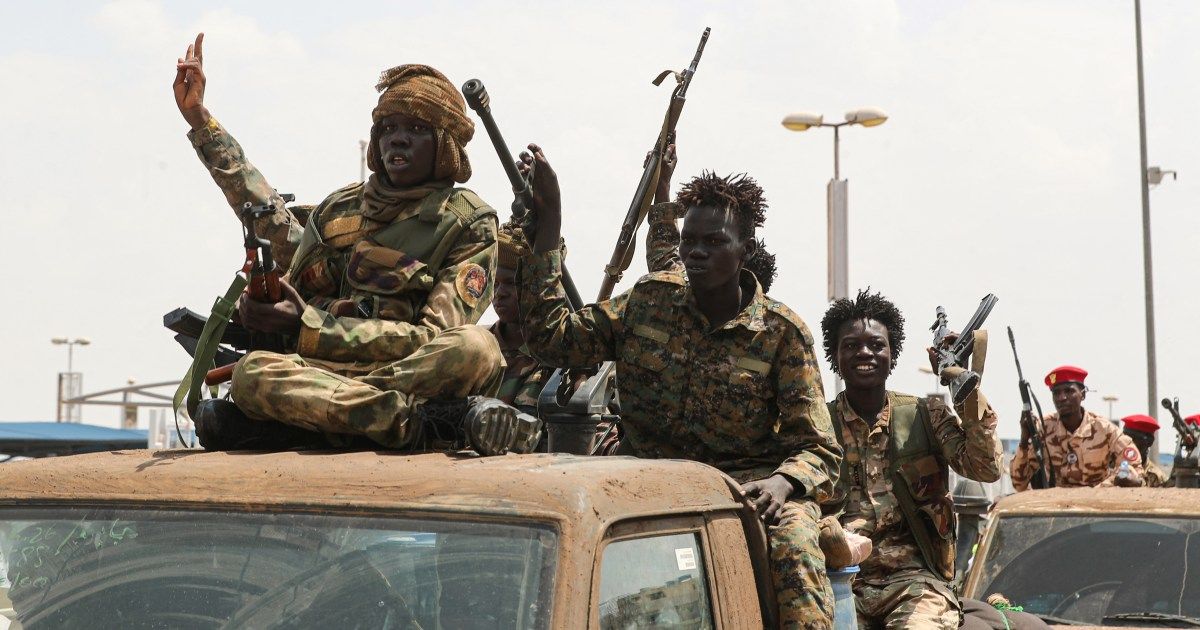
A catastrophic air strike in northern Sudan has resulted in the deaths of at least 72 artisanal miners, according to local rights monitors and legal watchdogs. The incident, which unfolded in a remote mining region crucial to the nation's informal economy, has drawn immediate international scrutiny amid the ongoing, devastating civil war between the Sudanese Armed Forces (SAF) and the Rapid Support Forces (RSF).
Adding a volatile international dimension to the domestic conflict, the Emergency Lawyers group—a prominent Sudanese legal monitoring organization—has publicly blamed Egyptian military forces for executing the deadly raid. While Cairo has historically maintained complex security and diplomatic ties with both the Nile Valley state and various factions within Sudan, any direct military intervention by a neighboring power represents a dangerous escalation. The strike underscores how the localized war is increasingly drawing in regional heavyweights, transforming a domestic power struggle into a broader geopolitical proxy theater with devastating humanitarian consequences.
Global Trade & Economic Ripples
The carnage in northern Sudan carries immediate ramifications for the global gold trade and regional commodity markets. Sudan remains one of Africa's leading gold producers, with artisanal and small-scale mining accounting for a substantial majority of the nation's total output. Much of this precious metal bypasses official state channels, fueling informal trade networks that sustain various armed factions and local economies alike.
Interruptions to mining operations in the north threaten to tighten regional bullion supplies at a time when global macroeconomic uncertainty is already driving safe-haven demand. Furthermore, the escalation severely disrupts vital transport corridors connecting landlocked trade routes to Red Sea ports. Commercial logistics firms operating across Northeast Africa are reassessing security risks, driving up freight insurance premiums and threatening broader supply chain bottlenecks for critical minerals moving through the vital maritime gateway.
Related Intelligence: Hurricane Isaias Batters US Gulf Coast Threatening Energy Supply Chains
International Reactions & Diplomatic Stances
The international community has responded to the massacre with mounting alarm, though formal diplomatic channels have struggled to formulate a cohesive intervention. Human rights organizations have called for an immediate, independent international investigation into the strike to determine accountability under international humanitarian law.
Meanwhile, multilateral bodies, including the United Nations and the Intergovernmental Authority on Development (IGAD), have issued urgent appeals for restraint, warning that cross-border military spillover could destabilize the entire Horn of Africa. Market analysts note that diplomatic friction between Khartoum and Cairo complicates ongoing mediation efforts, potentially prolonging the civil war and hardening negotiating positions across regional capitals.
Strategic Outlook & Future Scenarios
Looking ahead, the incident risks catalyzing a dangerous diplomatic rift between Sudan and Egypt, potentially closing crucial diplomatic avenues designed to broker a ceasefire. If allegations against Cairo are formally substantiated by international monitors, Khartoum may seek formal redress through the Arab League or the UN Security Council, isolating Egypt diplomatically.
For global commodities markets, the trajectory points toward persistent volatility in gold supply chains emanating from East Africa. As the civil war enters a deadlier phase, infrastructure targeting is expected to intensify, leaving foreign investors and local operators exposed to mounting geopolitical risk and operational paralysis.
Join Our Official WhatsApp Channel
Receive live commodity alerts, policy changes, and commercial intelligence directly on WhatsApp.