
High Costs Force Quarter of JPMC Cancer Patients to Abandon Treatment
Escalating medical costs and volatile philanthropic funding have forced a quarter of cancer patients at Karachi's JPMC to abandon life-saving therapies.
The Core Development
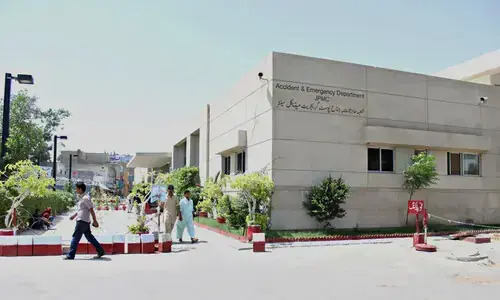
A staggering twenty-five percent of cancer patients receiving care at Karachi's Jinnah Postgraduate Medical Centre (JPMC) are forced to abandon their treatment regimens prematurely, driven by prohibitive medical costs and inconsistent philanthropic assistance. This alarming metric was brought to light during the concluding sessions of the two-day Breastcon 2026 conference, hosted by JPMC to evaluate oncology care standards across Pakistan's public healthcare infrastructure.
While JPMC, Sindh's largest tertiary-care public-sector hospital, continues to provide essential baseline services such as surgery and conventional radiotherapy free of charge, the financial burden has shifted dramatically with the advent of modern medicine. Advanced medical interventions, specifically targeted therapies and immunotherapies, remain largely inaccessible to marginalized segments of society. Dr Ghulam Haider, head of the oncology department at JPMC, highlighted that complete cancer care regimens currently range between Rs3 million and Rs4 million per patient. Without reliable institutional safety nets, these fiscal realities render continuous treatment virtually impossible for low-income households.
Commercial & Economic Implications
The deepening crisis in public oncology care carries profound macroeconomic and commercial repercussions for Pakistan's domestic landscape. As out-of-pocket medical expenses escalate, households are frequently compelled to liquidate productive assets, deplete savings, or accumulate unsustainable debt to finance basic healthcare needs. This dynamic severely depresses disposable incomes, dampening retail trade, consumer spending, and domestic consumption patterns across urban and rural markets alike.
Furthermore, the pharmaceutical supply chain in Pakistan faces acute pressure regarding imported oncology drugs. Currency depreciation, heavy import duties, and foreign exchange restrictions inflate the domestic retail prices of vital chemotherapeutic agents and targeted therapies. Wholesalers and medical distributors report compressed margins and supply bottlenecks, which ultimately translate into exorbitant retail pricing for lifesaving medications. The broader healthcare financing deficit acts as a drag on national productivity, as premature morbidity and mortality diminish the active labor force and elevate systemic economic vulnerability.
Related Intelligence: Trump Faces Bipartisan Backlash Over Controversial Russian Diesel Import Plans
Stakeholder Perspectives & Market Reactions
Medical professionals, healthcare administrators, and public health advocates have raised serious concerns regarding the sustainability of relying on fragmented charity to manage critical national health crises. Industry bodies and oncology associations emphasize that philanthropic funding, while vital, is inherently volatile and prone to contraction during periods of broader economic downturn and inflation.
Legal and health policy experts argue that equitable access to healthcare is a fundamental constitutional obligation requiring structural policy reform rather than temporary administrative fixes. Dr Ghulam Haider and other leading clinicians have issued urgent appeals to federal and provincial policymakers to establish permanent public subsidy mechanisms. These stakeholders advocate for the creation of dedicated national pharmaceutical procurement pools to negotiate lower bulk prices for imported cancer treatments, alongside expanded coverage under state-sponsored health insurance frameworks.
Forward Outlook & Key Watchpoints
As healthcare demands outpace public sector allocations, stakeholders are closely monitoring upcoming fiscal budgets for dedicated oncology interventions. Key watchpoints include potential revisions to drug pricing regulations by the Drug Regulatory Authority of Pakistan (DRAP), the expansion of targeted subsidies for high-cost imported therapies, and the formal institutionalization of public-private partnerships within major tertiary facilities like JPMC. Failure to secure permanent state backing risks deepening the mortality gap among indigent cancer patients, further straining an already overburdened public health architecture.
Join Our Official WhatsApp Channel
Receive live commodity alerts, policy changes, and commercial intelligence directly on WhatsApp.