
Sudan Drone Warfare Escalation Threatens Red Sea Supply Chains and Civilians
The rapid expansion of drone warfare in Sudan is devastating civilian infrastructure, crippling vital supply lines, and compounding logistical risks across the Red Sea corridor.
Geopolitical & Core Developments
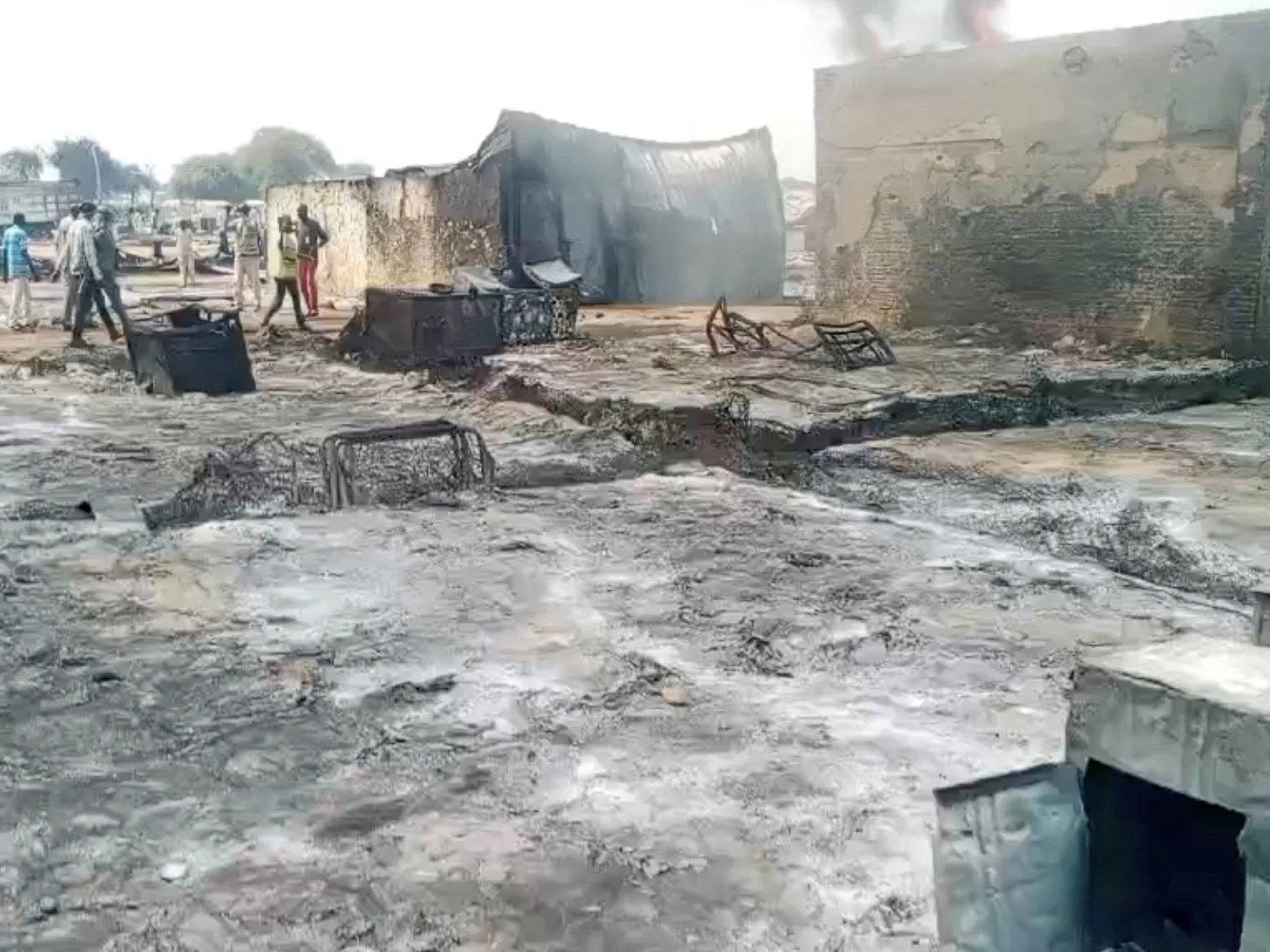
The civil conflict in Sudan has entered a lethal technological phase as both the Sudanese Armed Forces (SAF) and the paramilitary Rapid Support Forces (RSF) increasingly rely on unmanned aerial systems (UAS). What began as a conventional ground struggle in Khartoum has metastasized into asymmetric aerial warfare, extending deep into previously stable administrative centers and critical logistics arteries, including Al Jazirah state, River Nile state, and Red Sea transit hubs.
Foreign-manufactured combat and surveillance drones have tilted operational dynamics, enabling long-range interdiction of supply convoys, commercial transit routes, and civilian enclaves. Military analysts report the widespread deployment of Turkish, Iranian, and commercial retrofitted Chinese drones across the theater. This proliferation has accelerated the fragmentation of state authority, with strikes targeting power grids, water purification stations, and hospitals. As aerial campaigns target population centers hosting internally displaced persons, the humanitarian catastrophe has intensified, bringing the documented death toll beyond 15,000 and displacing over 10 million people.
Global Trade & Economic Ripples
The transition to widespread drone strikes carries severe ramifications for regional and international commerce. Sudan holds strategic proximity to the Red Sea maritime corridor, a chokepoint through which approximately 12 percent of global seaborne trade passes. Drone strikes nearing Port Sudan threaten the operational integrity of the nation's sole functional maritime gateway, amplifying maritime insurance premiums already elevated by Houthi operations in the southern Red Sea basin.
On the commodity front, aerial attacks on major transport arteries have crippled Sudan's agricultural belt. The disruption of transit corridors has halted the harvesting and export of gum arabic, an essential emulsifier for global food and beverage, pharmaceutical, and printing industries, of which Sudan produces nearly 70 percent of global supply. Global conglomerates face worsening supply-side deficits and inventory volatility. Furthermore, the destruction of infrastructure has paralyzed regional gold logistics and artisanal processing nodes, disrupting physical bullion trade through Middle Eastern clearing hubs.
Related Intelligence: Karachi Red Line BRT Delays Threaten Commercial Corridors and Public Outlay
International Reactions & Diplomatic Stances
The escalation has triggered widespread international concern, though concerted diplomatic enforcement remains elusive. United Nations Secretary-General António Guterres repeatedly warned that external weapons transfers violate international law and the existing Darfur arms embargo, calling on external benefactors to halt drone and munitions shipments.
The African Union Peace and Security Council and regional trade bloc IGAD have condemned the deliberate targeting of economic infrastructure and civilian installations, emphasizing that modern aerial hardware is entrenching warlordism. In Washington, the United States State Department and Department of the Treasury have deployed targeted financial sanctions against procurement networks tied to both belligerents, citing gross human rights violations. European Union diplomats have echoed these measures, demanding strict adherence to humanitarian corridors and unimpeded access for United Nations relief agencies.
Strategic Outlook & Future Scenarios
Moving forward, the operational footprint of drone warfare in Sudan points to protracted attrition rather than decisive military victory. In the baseline scenario, belligerents will continue to procure lower-cost consumer-grade loitering munitions to conduct punitive strikes on infrastructure, rendering urban reconstruction near impossible. This sustained instability risks drawing neighboring states—including Chad, Egypt, and South Sudan—into deeper proxy alignments, raising the specter of cross-border skirmishes.
In an alternative scenario involving rigorous multilateral sanctions and enhanced radar tracking across regional airspace, external arms pipelines could contract, forcing belligerents into negotiated ceasefires mediated by regional partners. However, absent strict maritime and aerial interdiction, Sudan's logistical breakdown will exacerbate food insecurity across East Africa, inflate freight costs along the Red Sea, and deepen commercial dislocation across global specialized commodity markets.
Join Our Official WhatsApp Channel
Receive live commodity alerts, policy changes, and commercial intelligence directly on WhatsApp.