
Germany Arrests Ukrainian National Suspected of Russian Espionage
German authorities have detained a Ukrainian citizen accused of gathering intelligence for Moscow, prompting Berlin to raise threat alerts over Russian sabotage operations against critical military infrastructure.
Geopolitical & Core Developments
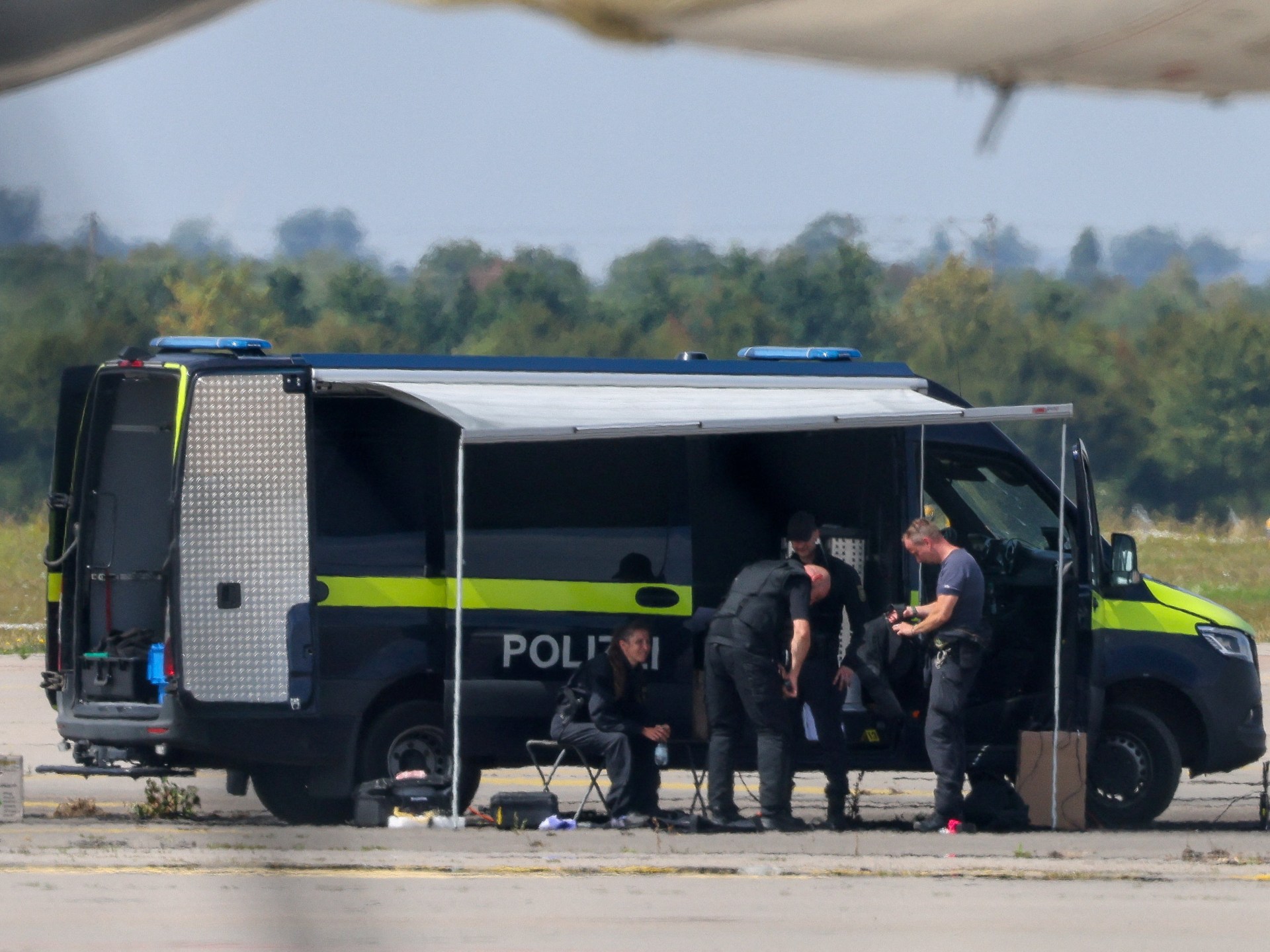
German federal authorities announced the arrest of a Ukrainian national accused of working on behalf of Russian foreign intelligence services, marking a significant escalation in hybrid warfare activity across Central Europe. According to federal prosecutors in Karlsruhe, the suspect was detained after allegedly conducting covert surveillance on sensitive German military sites and logistical pathways utilized to transport Western defense equipment to Ukraine.
In response to the arrest and an accumulation of related security incidents, the German Bundeswehr, along with domestic intelligence bodies, officially raised its baseline security readiness. The heightened threat level addresses active Russian sabotage vectors targeting critical infrastructure, defense manufacturing hubs, and troop deployment routes. Federal investigators indicate that intelligence networks operated by Moscow are increasingly leveraging third-country nationals and non-traditional assets to bypass standard counter-intelligence screening, seeking actionable data on defense logistics and high-level personnel movements.
Global Trade & Economic Ripples
The deepening espionage and sabotage risk landscape inside the European Union's largest economy carries measurable reverberations for international commerce and industrial operations. Increased surveillance around key rail corridors, maritime hubs, and defense industrial facilities has prompted logistics operators to institute stringent verification protocols, introducing friction into domestic and cross-border freight transit.
Furthermore, critical infrastructure operators across energy pipelines, liquified natural gas (LNG) terminals, and electrical grids are re-evaluating risk models. Insurance underwriters in Western Europe are pricing in elevated war-risk premiums for transport infrastructure and dual-use supply chains. Heightened security expenditures and localized transport bottlenecks present operational headwinds for European industrial manufacturers already contending with elevated input costs and supply chain recalibrations.
Related Intelligence: Sudan Drone Warfare Escalation Threatens Red Sea Supply Chains and Civilians
International Reactions & Diplomatic Stances
German political leadership has responded with severe warnings regarding foreign subversion. Officials from the Federal Ministry of the Interior emphasized that European democratic institutions and defense assistance infrastructure remain under systematic hybrid attack from the Kremlin. The interior ministry affirmed that federal security agencies are mobilizing additional resources to counter sabotage, illicit electronic tracking, and physical subversion.
Moscow has routinely dismissed espionage allegations brought by European governments as coordinated anti-Russian rhetoric. Concurrently, European Union defense coordinators and NATO officials underscored that the threat environment across member states has evolved beyond conventional territorial posturing into aggressive gray-zone operations designed to erode societal cohesion and undermine public support for defense commitments to Kyiv.
Strategic Outlook & Future Scenarios
The trajectory of European security over the medium term indicates an intensified push toward domestic counter-subversion legislation and heightened surveillance mandates across strategic infrastructure. European Union bodies and NATO frameworks are expected to accelerate unified intelligence-sharing mechanisms to identify asymmetric sabotage cells prior to operational deployment.
As Western partners finalize upcoming military supply packages, the physical and digital protection of defense hubs across Germany, Poland, and Romania will represent a vital focal point. Should hybrid attacks escalate into direct damage to civilian infrastructure or critical energy terminals, Western governments will face mounting political pressure to expand secondary sanctions and retaliate through diplomatic and cyber countermeasures, further destabilizing European geopolitical equilibrium.
Join Our Official WhatsApp Channel
Receive live commodity alerts, policy changes, and commercial intelligence directly on WhatsApp.